Specimen · N°073 · 岩 · ▶ Film
Aquascripta rupiumWaterline Cliffbloom
断崖に、誰かが白い線を引いたようにしか見えません。
FOUND 37.2°N 113.0°W · アメリカ南西部、ユタ州南部のコロラド高原 · ✝ EX · Last seen 1987
断崖に、誰かが白い線を引いたようにしか見えません。
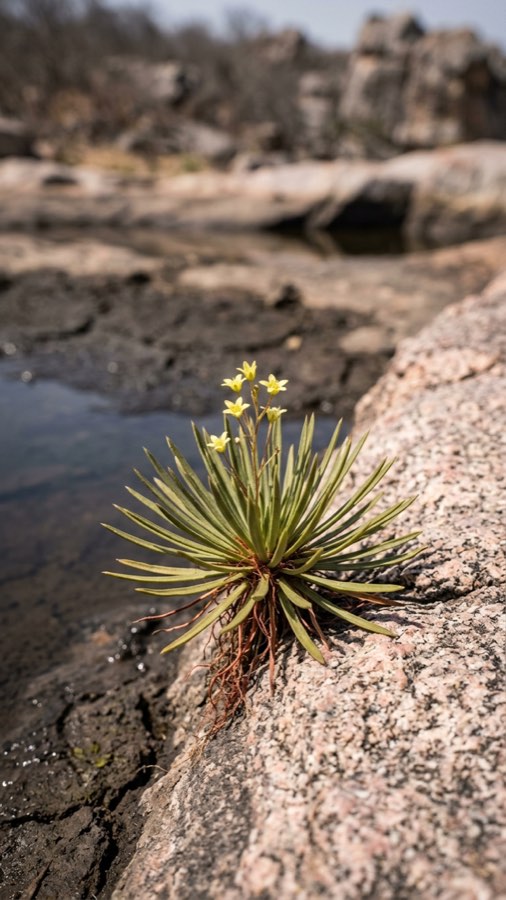
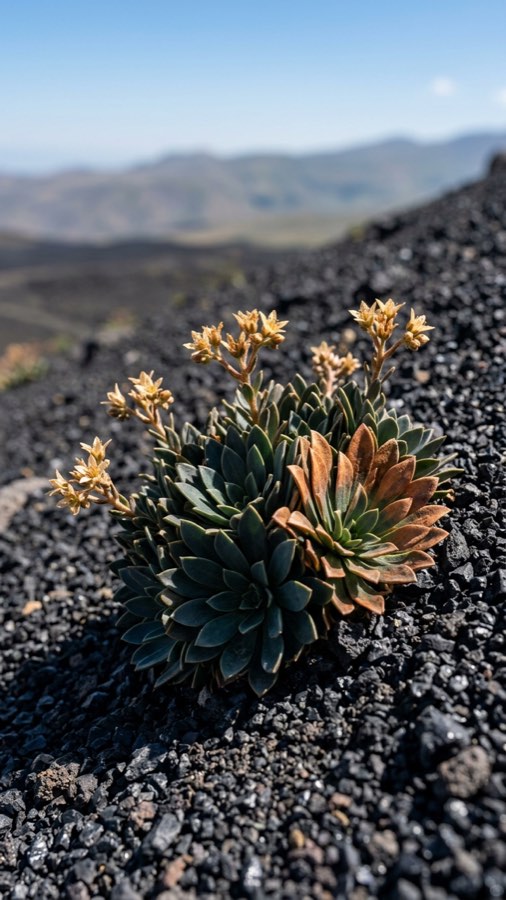
Waterline Cliffbloomは、高さ5〜8cmほどの小さな多肉質の草。匙形のash緑色のleafを重ね、淡い青をのぞかせる喉を持つ純白の小flowerを咲かせる。この草が根を張れる場所は、世界でただ一種類しかない。高原に降ったRainは砂岩の中をゆっくりしみ下り、Waterを通さない固い地層にぶつかると、垂直な崖のある高さで外へ滲み出す。その厚さ数センチの、岩が黒く湿る帯。Waterline Cliffbloomはそこにしか生きられない。だから株は横へ横へと隣り合って列をつくり、flowerの季節、断崖には何十メートルも続く一本のWater平な白い線が現れる。線の高さは崖の中のWater位そのもので、Rainの多い年は上がり、渇いた年は下がる。壁には昔の線の跡が細い棚となって何段も残り、いちばん新しい一段でだけflowerが咲く。遠くから峡谷を見わたすと、赤い壁に誰かが白い線を引いたようにしか見えない。それは崖が自分で引いた、Waterの目盛りである。
 PLATE I
 PLATE II
 PLATE III
 PLATE IV
 PLATE V
 PLATE VI
 PLATE VIIPLATE VIII
断崖に、誰かが白い線を引いたようにしか見えません。
けれどこれはflowerです。Waterの滲む高さが、そこにしか無いからです。
アメリカ南西部、コロラド高原の砂岩の峡谷。
高原に降ったRainは岩の中をしみ下り、ある高さで崖の外へ滲み出します。
この草は、その厚さ数センチの湿った帯にしか根を張れません。
だから株は横へ横へと列をつくり、崖に一本のWater平な線を描きます。
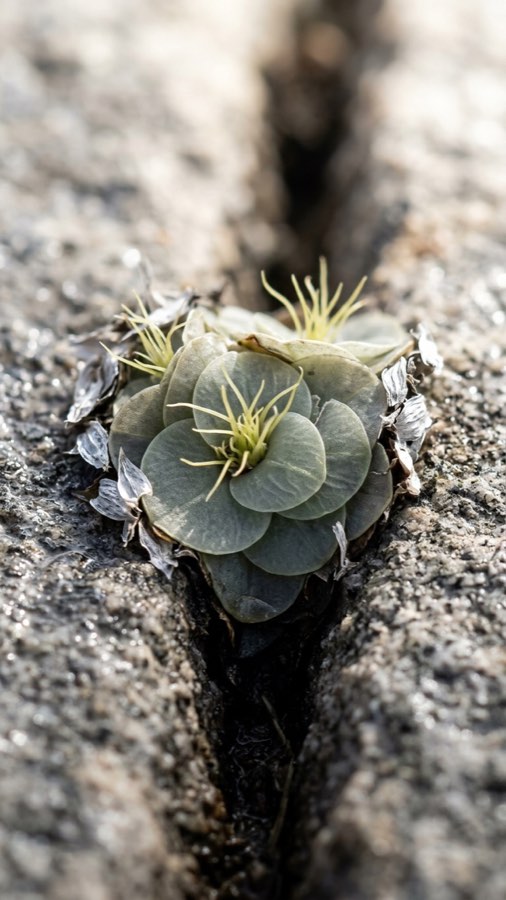
In the hollows I opened, a thin grey mud lay just beneath the white salt crust, cool to the fingertip when everything above it was dry. The shoots of Floodherald Saltbloom followed this layer and were seldom solitary. A slight freshening of shallow groundwater, together with more dissolved organic matter from distant rain, appears to split the hard dormant seeds in the same depression at once.
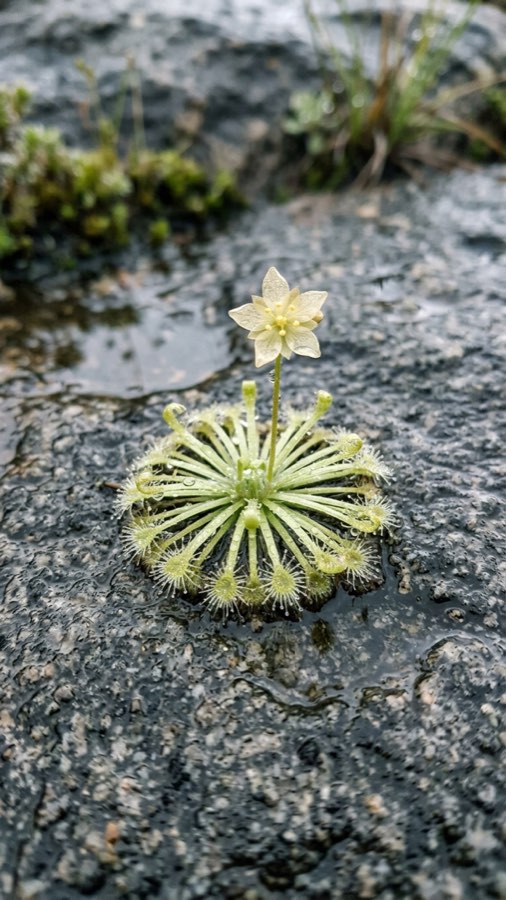
I saw no insects visit the open flowers. The anthers collapsed early toward the throat, dropping pollen directly onto the sticky stigma. Nor is the flower built for wind. A single short-lived bloom seems wasteful at first, but if it completes self-pollination before flooding and drops heavy seeds into cracks of the drying salt crust, the arrangement is more reliable than it appears.
When water reaches the surface, the plants become translucent before they fall. Sudden freshening and inundation turn the basal mud anaerobic, and the fleshy leaves pale and break down as if blanched. Within days even the stalks sink into saline mud; only seeds remain to collect. This speed of absence likely explains why pastoral travellers and early survey parties noted a plant that flowered but could scarcely be taken.