Specimen · N°071 · 岩 · ▶ Film
Turrantha hapaxanthaCentury-spire Bloom
数十年にただ一度だけ咲いて、そのまま枯れて消えていくflowerがあります。
FOUND 16.5°S 68.2°W · アンデス高地のプーナ(ペルー/ボリビア、標高3000〜4000m) · ✝ EX · Last seen 2024
数十年にただ一度だけ咲いて、そのまま枯れて消えていくflowerがあります。
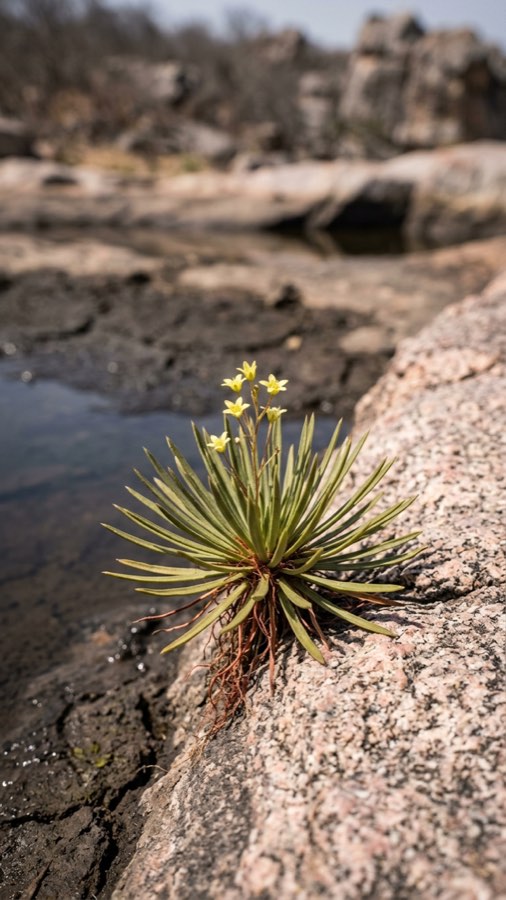
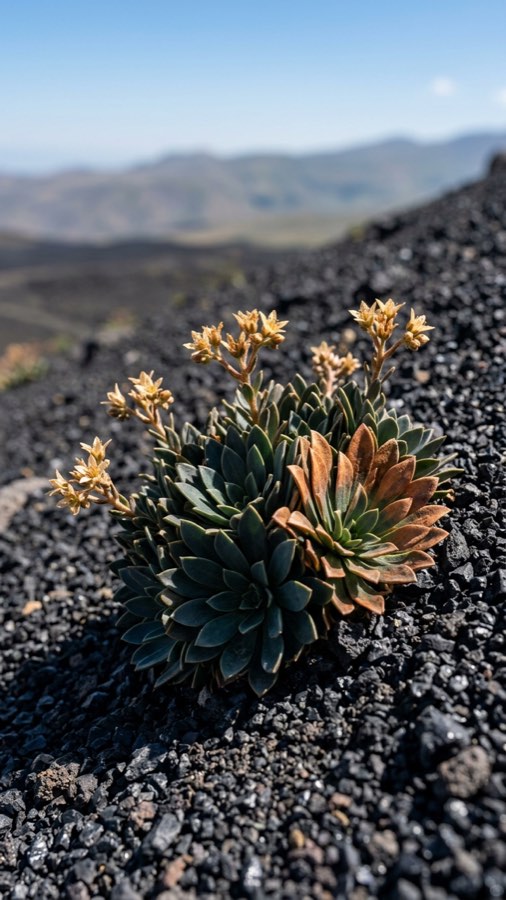
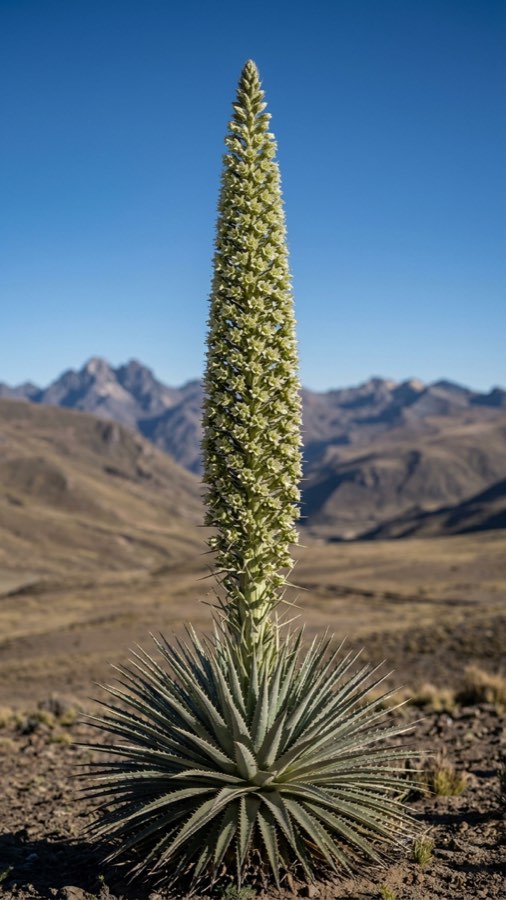
Century-spire Bloomは、アンデス高地の荒野に低く広がるロゼットをつくる大型plant。厚く硬い革質のleafを放射状に密に重ね、鋭いmarginで乾いたWindと強い紫外線から芯を守る。標高が高くNightは凍え、日中も乾くこの地では成長が極端に遅く、株は数十年をかけてleafの付け根に養分をため込み続ける。そしてある年、たくわえたすべてを一度に使い、中心から人の背丈をはるかに超える一本のflower序を立ち上げる。高く伸ばすのは、冷えて淀む地表の空気からflowerを引き離し、乾いたWindとわずかな訪flower者に受粉を託すためだ。無数のflowerが咲き、実を結ぶ頃には株は養分を使い果たし、緑を失って音もなく立ち枯れていく。開flowerはこのplantの一生でただ一度、最初で最後の出来事だ。
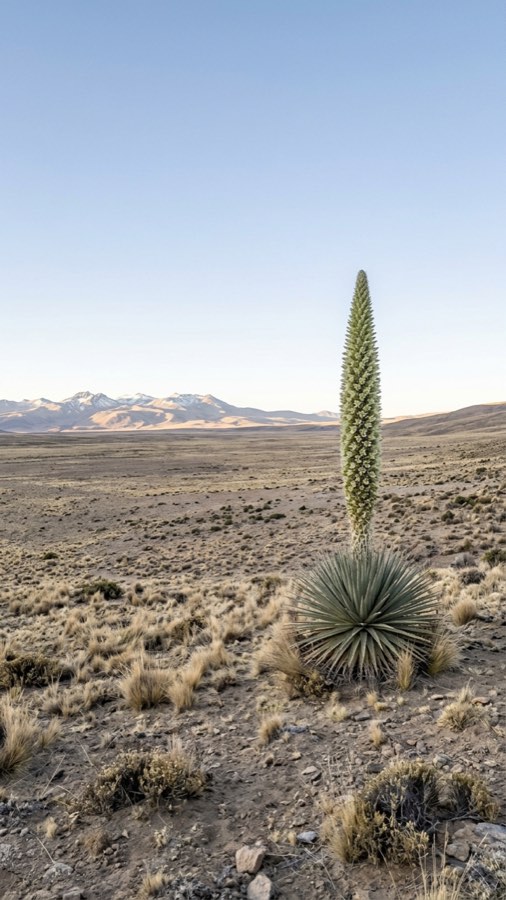 PLATE I
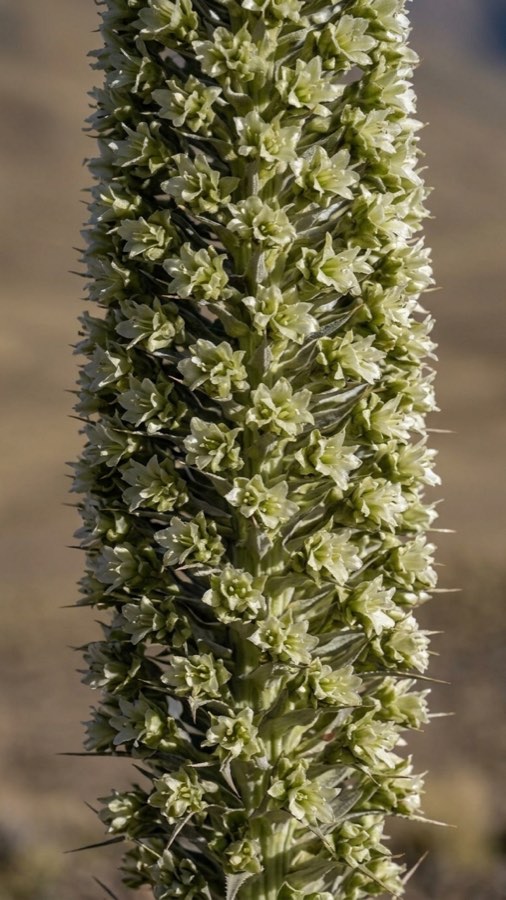 PLATE II
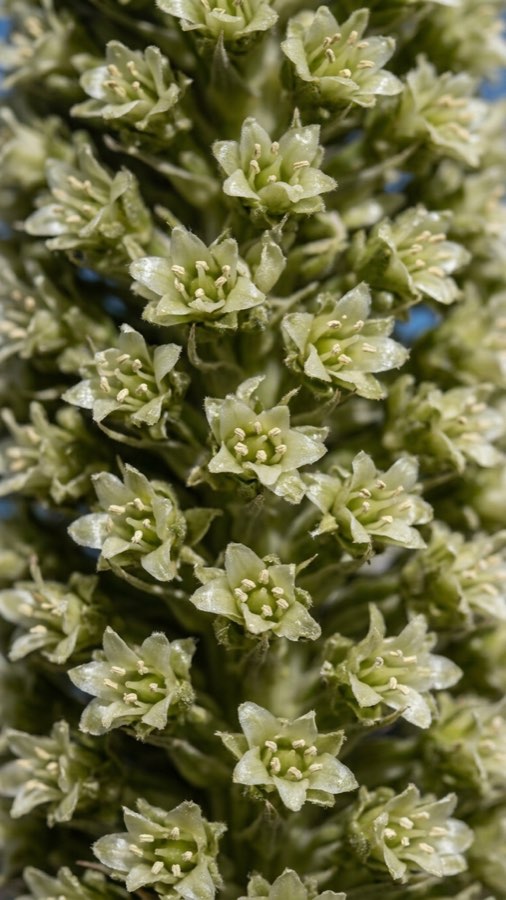 PLATE III
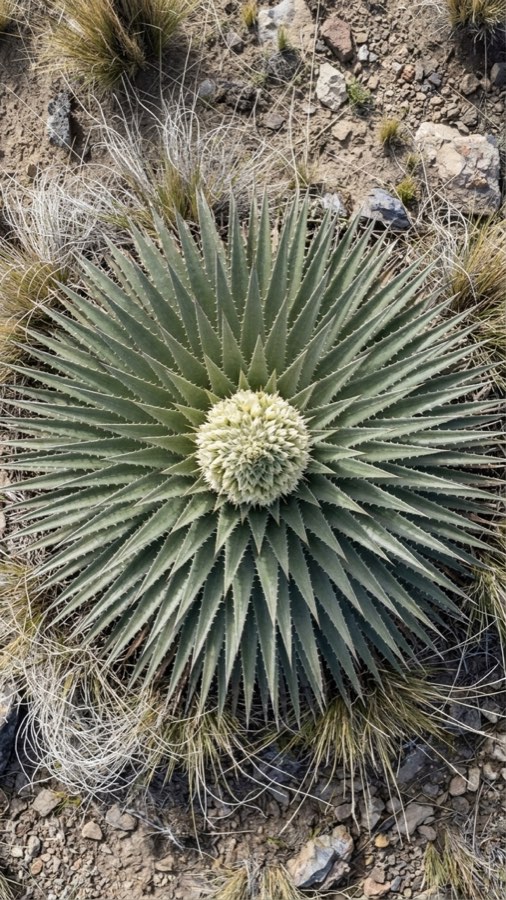 PLATE IV
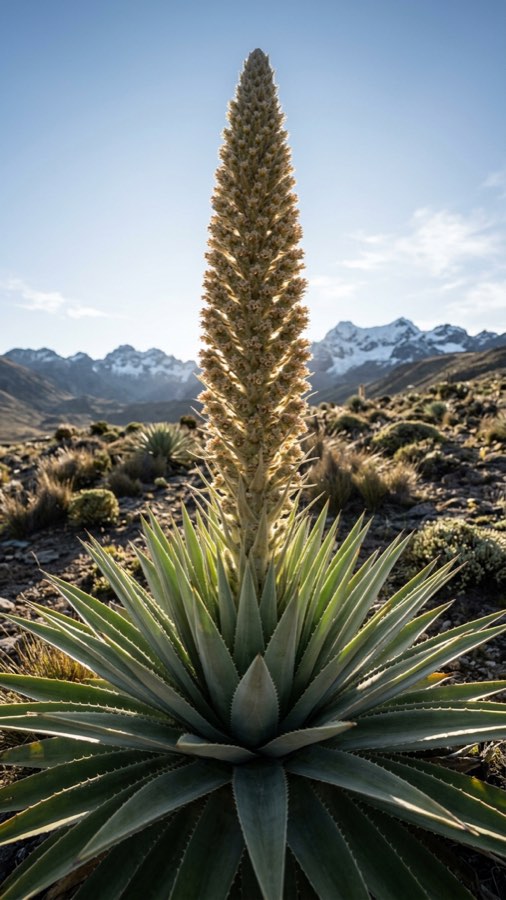 PLATE V
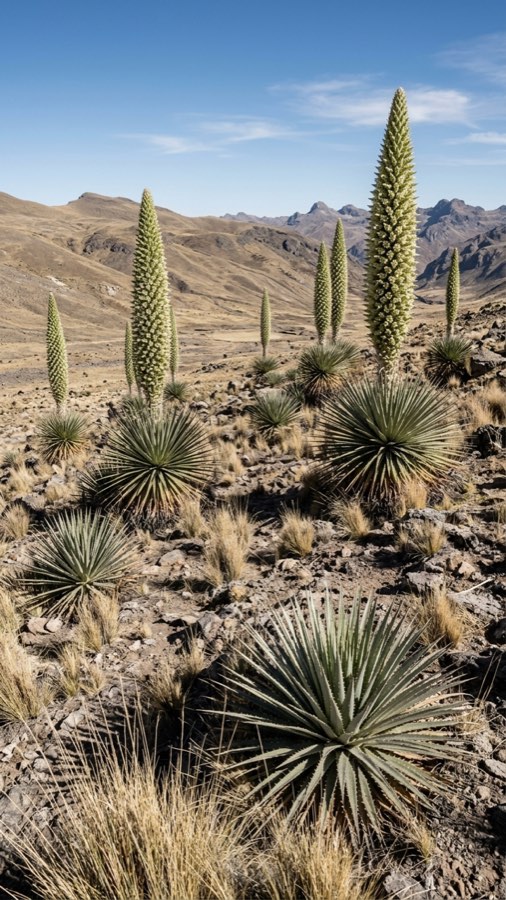 PLATE VI
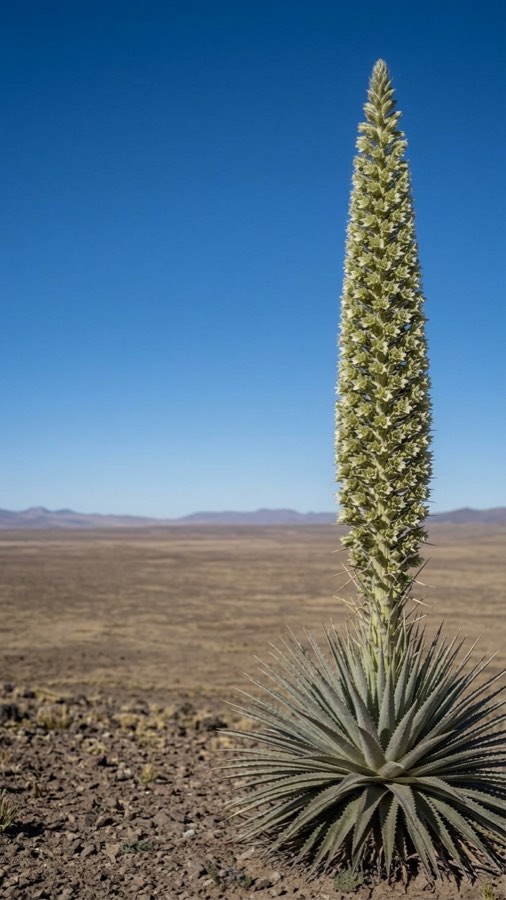 PLATE VIIPLATE VIII
数十年にただ一度だけ咲いて、そのまま枯れて消えていくflowerがあります。
アンデスの高地、標高四千メートルの荒野。
何もない大地に、人の背丈をはるかに超えるflowerの塔が、たった一本だけ立ちます。
この株は、数十年をかけて静かに養分をため、たくわえたすべてを一度に使い、この塔を立ち上げました。
無数のflowerが実を結ぶ頃、株は力を使い果たし、緑を失って立ち枯れていきます。
開flowerは、その一生でただ一度、最初で最後の出来事です。
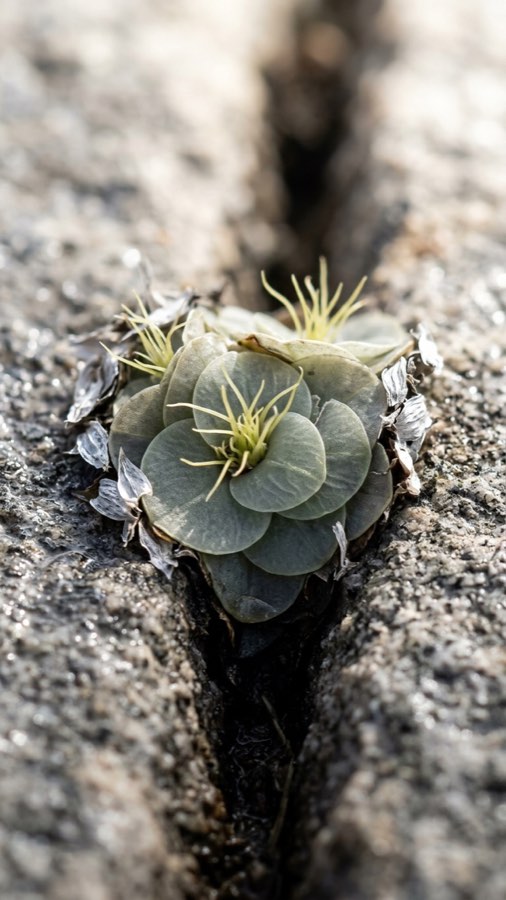
In a dried pressed specimen, Chronopulvinus antisanae appears to be only a small cushion plant. The faint hardened rings that rise on its surface only during frosty nights disappear after thawing and pressing, while the repair marks in the center remain merely as pale brown stains. This fragile diagnostic character may explain why older collections were filed as bryophytes or as known alpine cushion plants.
For much of the year no flowers are visible. Along the rim of a cushion, repeated freezing and thawing open shallow cracks, and pea-sized fragments fall into the wet peat and root. Pieces carried by morning meltwater or narrow wetland channels settle in depressions of the same water level and form new hemispheres. Such renewal without dependence on pollinators would allow colonies to persist in a foggy, frost-prone páramo.
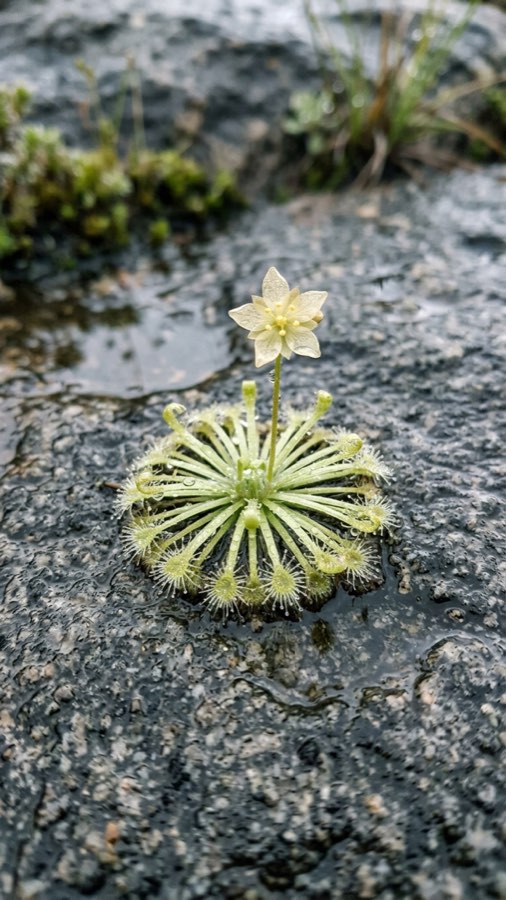
The plant is not spread across the grassland, but is confined to shallow hollows where young volcanic ash mixes with peat. The ash holds water in fine pores yet does not drain it as quickly as the gravelly slopes. At night only the surface freezes thinly; by day it loosens under fog and residual ground warmth. This intermediate bed of drainage and retention keeps the shallow roots from drying while giving the outer cushion its nightly freezing rhythm.