Specimen · N°064 · Wetland · ▶ Film
Confluvia contiguaDrift-raft Bloom
根を持たない草が、ぶつかった時にだけ咲きます。
FOUND 2.5°S 60.9°W · 南米アマゾン川流域、リオ・ネグロのような紅茶色の黒Waterがよどむ後背Wetlandの入り江 · ✝ EX · Last seen 2001
根を持たない草が、ぶつかった時にだけ咲きます。
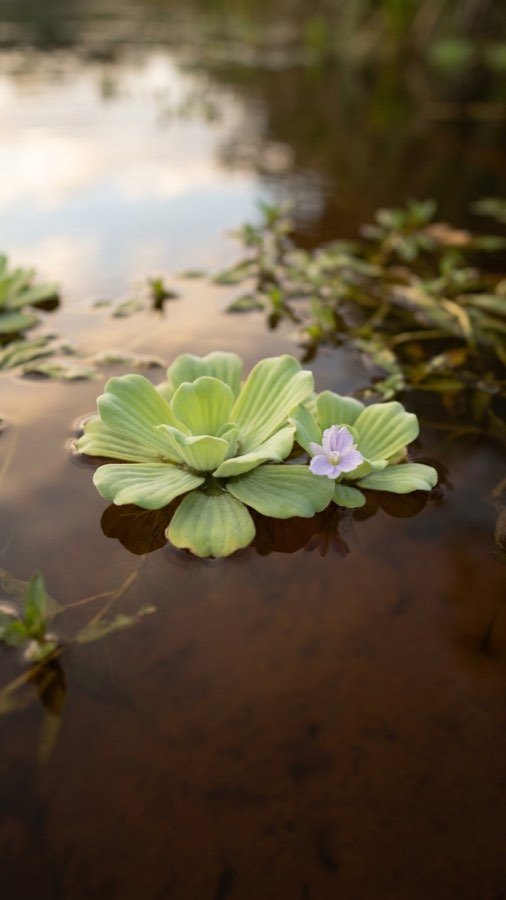
Drift-raft Bloomは、根を持たずWater面を漂う小さな浮草。淡い緑のleafを放射状に重ね、Water面すれすれに平たいロゼットを浮かべる。leaf裏の細かな気室が浮力を生み、株はどこにも根を下ろさず、紅茶色の黒Waterの上をただflowていく。よどんだ入り江にはWater面下を走る見えないflowの筋があり、漂う株はその筋に沿って寄り集まり、やがて幾百もの株が組み合わさった筏になる。ふだんflowerはつけない。ところがflowに押された筏どうしがmarginでぶつかり合うと、押し合う圧が触れた株に伝わり、刺激を受けたmarginの株だけが小さな淡紫のflowerをOpen。ぶつかり合いがほどけて筏が離れればflowerは再び閉じ、咲いていた印はどこにも残らない。だからflowerが見られるのは、二つの筏が触れ合っていたわずかな間だけだ。
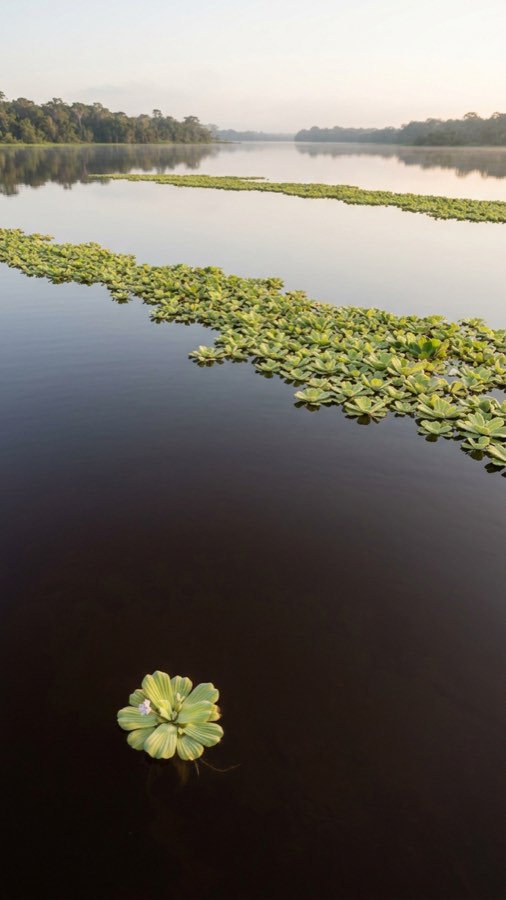 PLATE I
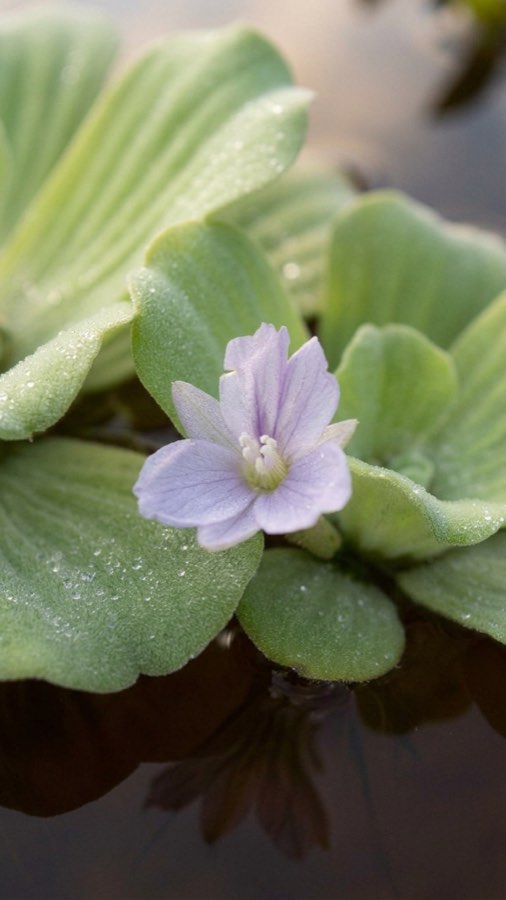 PLATE II
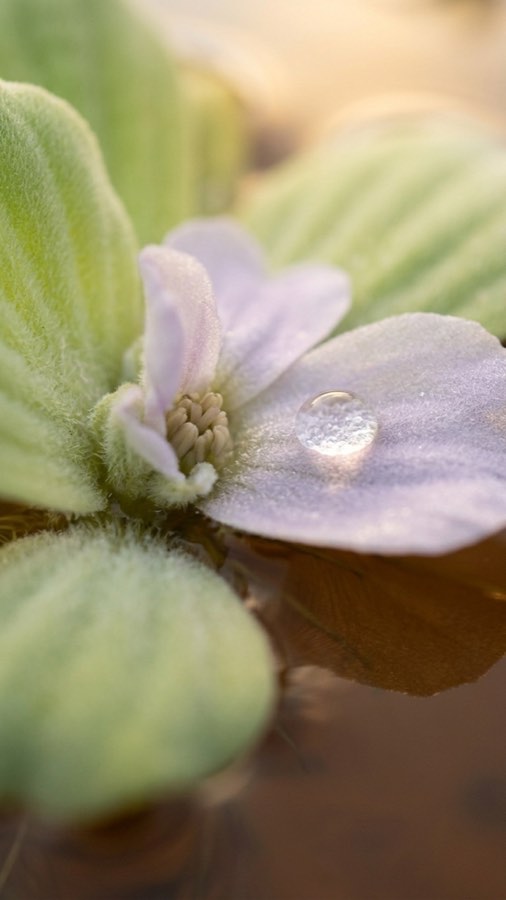 PLATE III
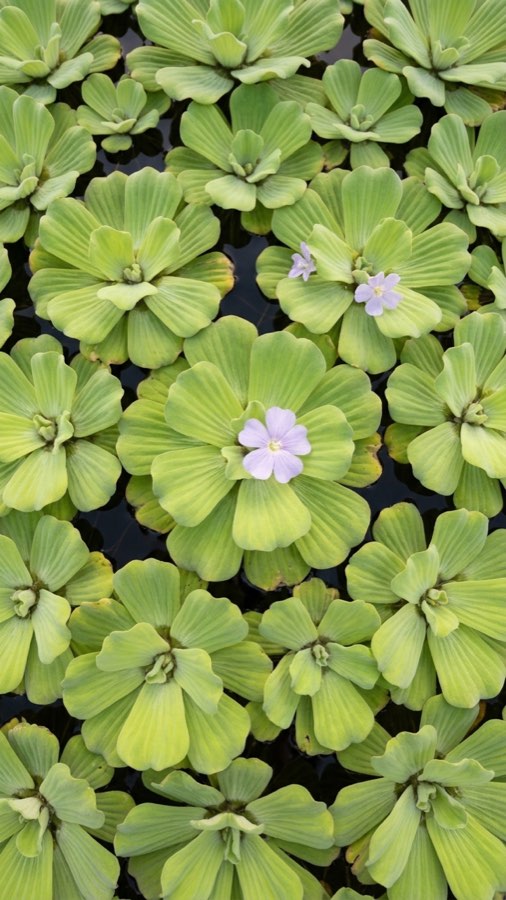 PLATE IV
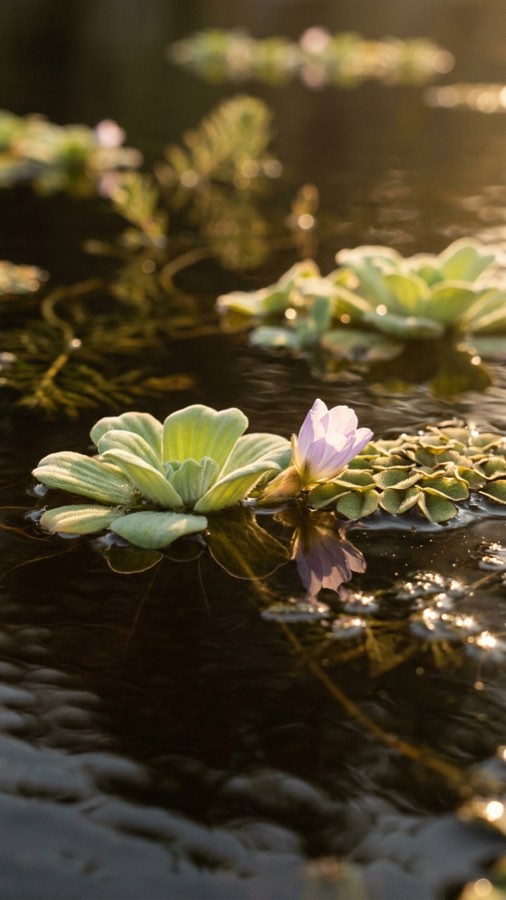 PLATE V
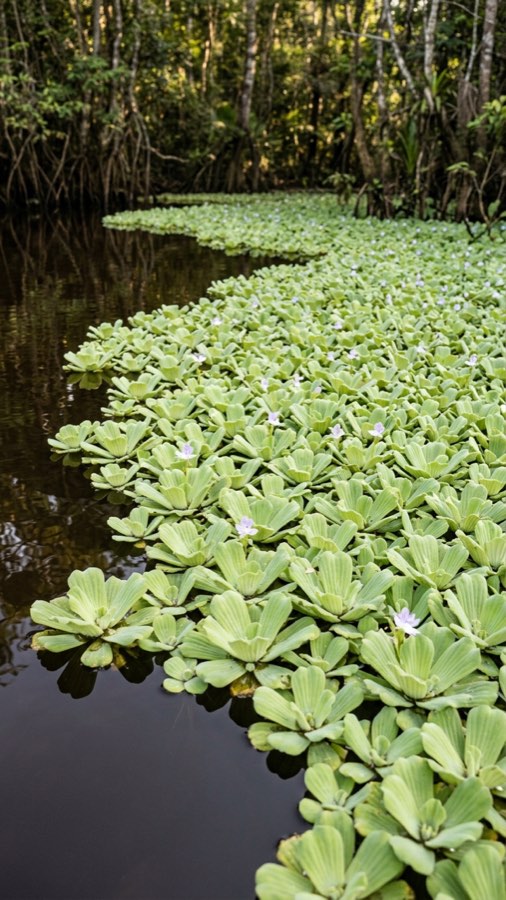 PLATE VI
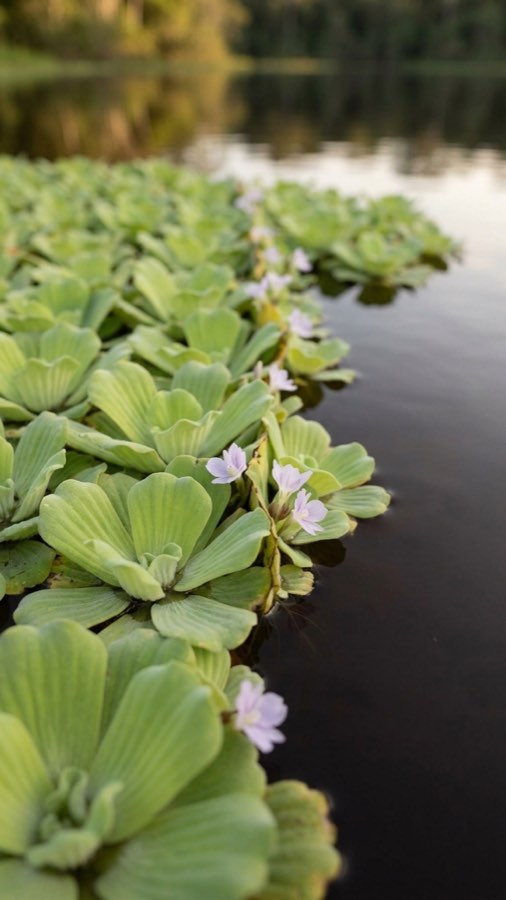 PLATE VIIPLATE VIII
根を持たない草が、ぶつかった時にだけ咲きます。
ふたつの筏が押し合う力だけが、flowerを開かせる合図だからです。
南米アマゾン、よどんだ紅茶色の黒Waterの入り江。
根を持たない小さな浮草は、Water面下を走る見えないflowの筋に沿って寄り集まります。
幾百もの株が組み合わさり、やがて一枚の筏になります。
flowに押された筏どうしがmarginでぶつかると、触れ合った株だけが、小さな淡紫のflowerを開きます。
In late March, only on cold mornings near the adit, I saw small solitary bees briefly entering the corolla. Visits were sparse, and by the dry afternoon wind the flowers had begun to close. Yet pods were also present on plants I had not seen visited, suggesting a weak self-compatibility as insurance. On this sparsely occupied gravel, reliably ripening a few heavy seeds seems more sensible than producing many flowers.
When ripe, the pods split without throwing their seeds far. The grains are black, heavy, and fall at once among the serpentine fragments. Only with the first autumn rains are they pushed a few tens of centimeters by muddy water, coming to rest along the contact between brown metal-bearing soil and washed pale soil. This short-distance water dispersal likely explains why spring seedlings form contour-like lines rather than clusters around the parent.
It is poorly timed for collectors. The flower lasts only two or three weeks in spring; once the dry season begins, even the leaves shrink into a silvery cushion and pass for known serpentine pinks or small mustards. If dug, the metal-taking lateral roots have already softened and collapsed, leaving only the fine roots on the cleaner side. Even in a surveyed mine site, it was more likely preserved as a misidentification than as a name of its own.