Specimen · N°026 · Wetland · ▶ Film
Recessa pantanalisEbbwater Flower
Only after the water recedes does this flower appear.
FOUND 17.5°S 57.0°W · Seasonal floodplain of the Pantanal, South America · ✝ EX · Last seen 1971
Only after the water recedes does this flower appear.
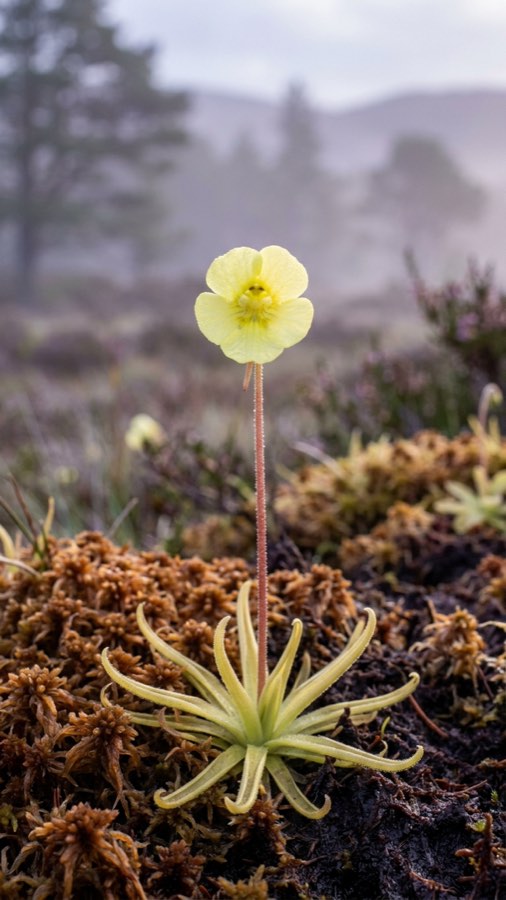
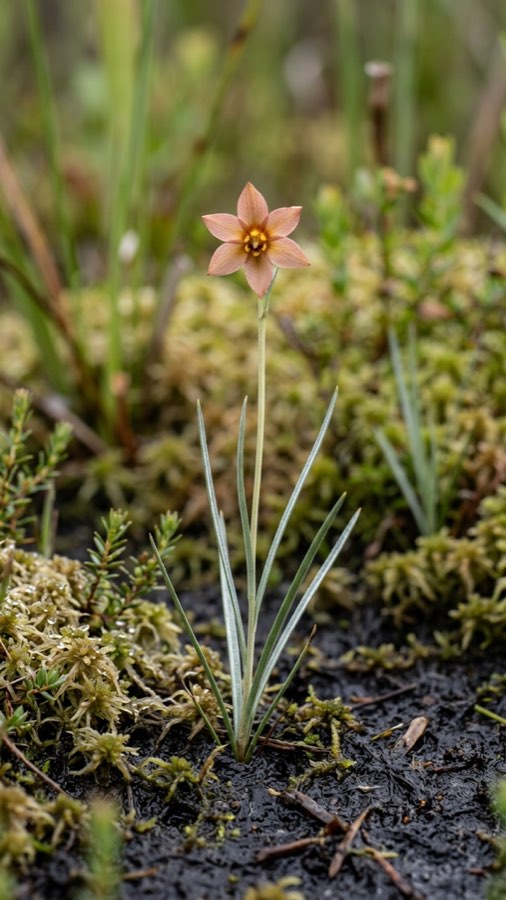
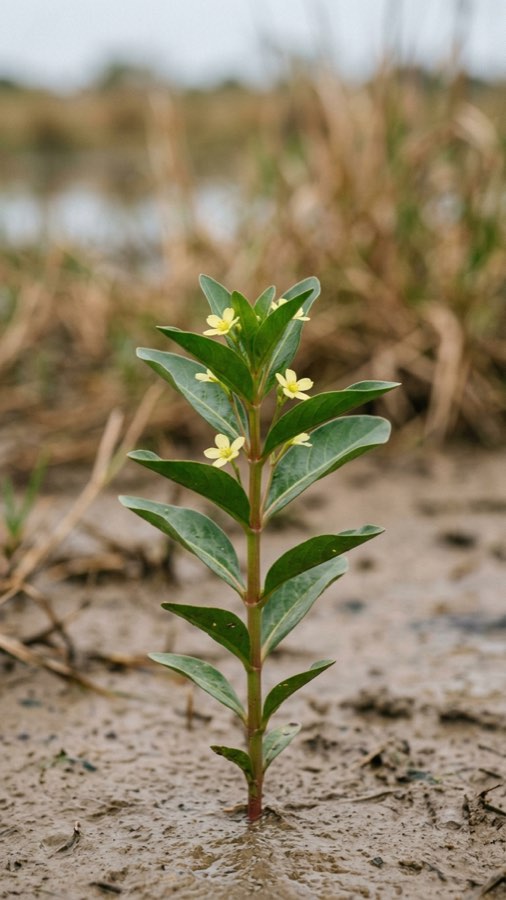
The Ebbwater Flower is a wetland plant 20–25 cm tall. Through the rainy season it lies dormant as a rhizome beneath the water. On the soft mud left by the receding flood it opens small pale-yellow flowers for only a few days. Its broad leaves shed water.
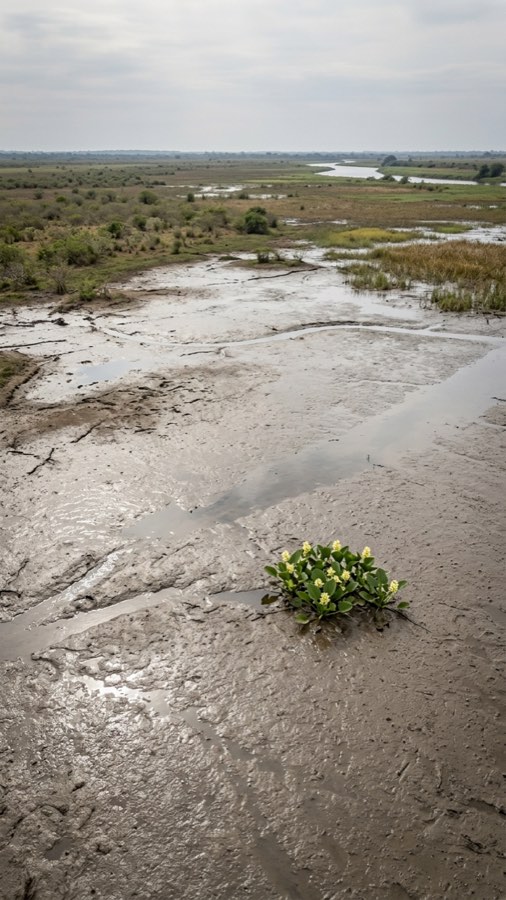 PLATE I
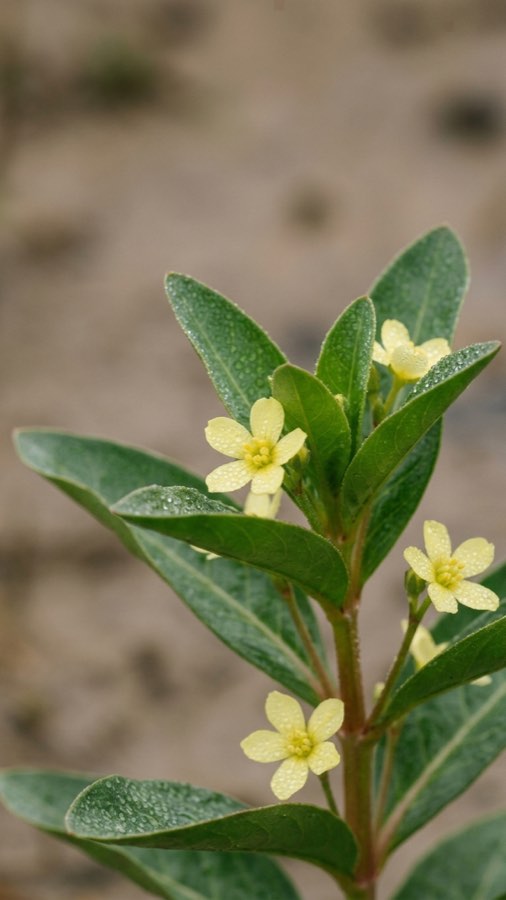 PLATE II
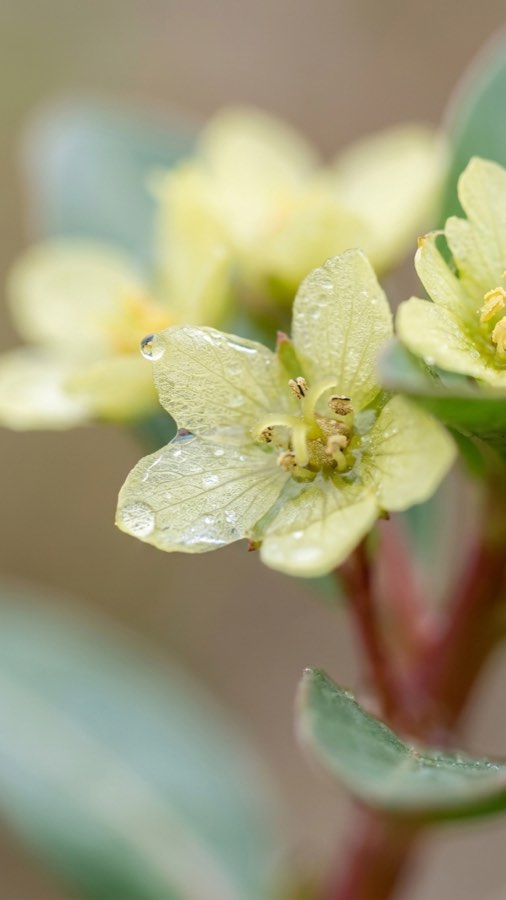 PLATE III
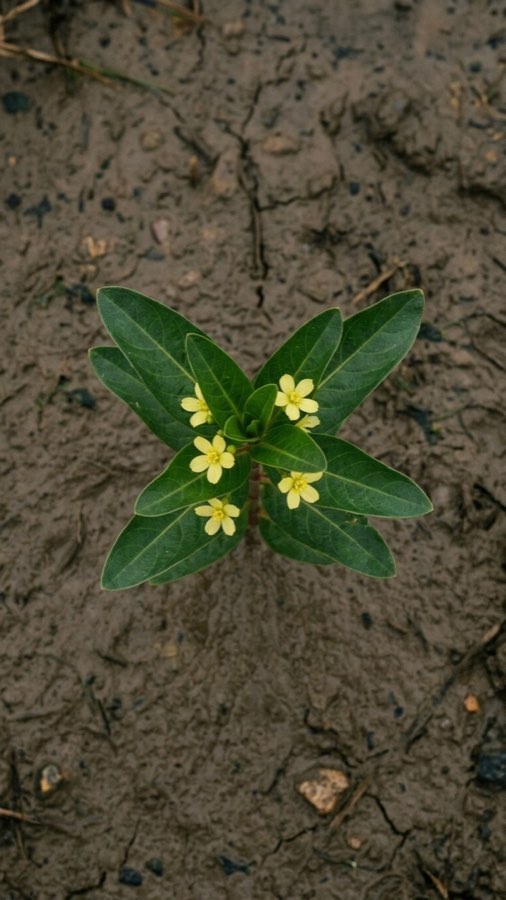 PLATE IV
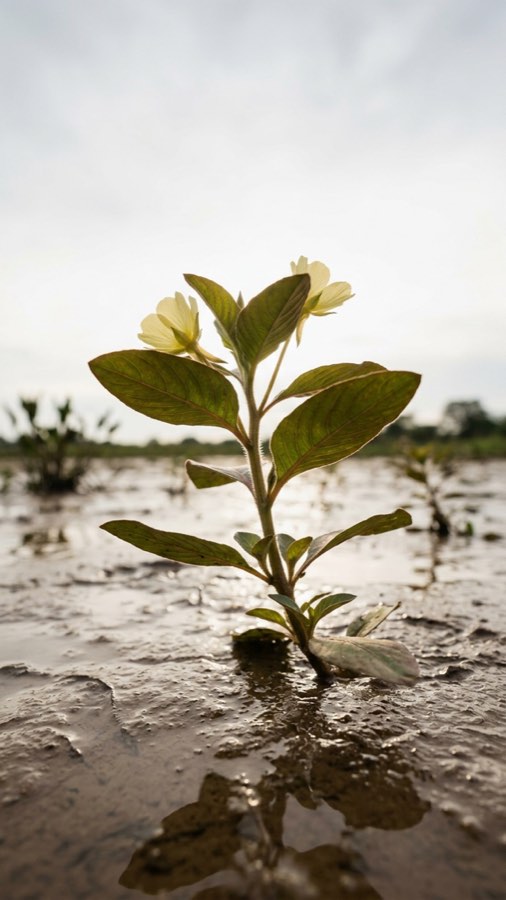 PLATE V
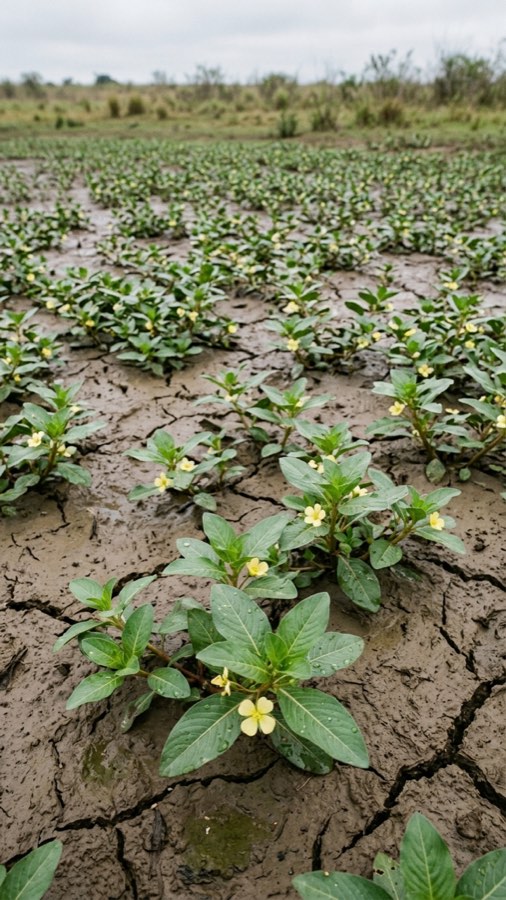 PLATE VI
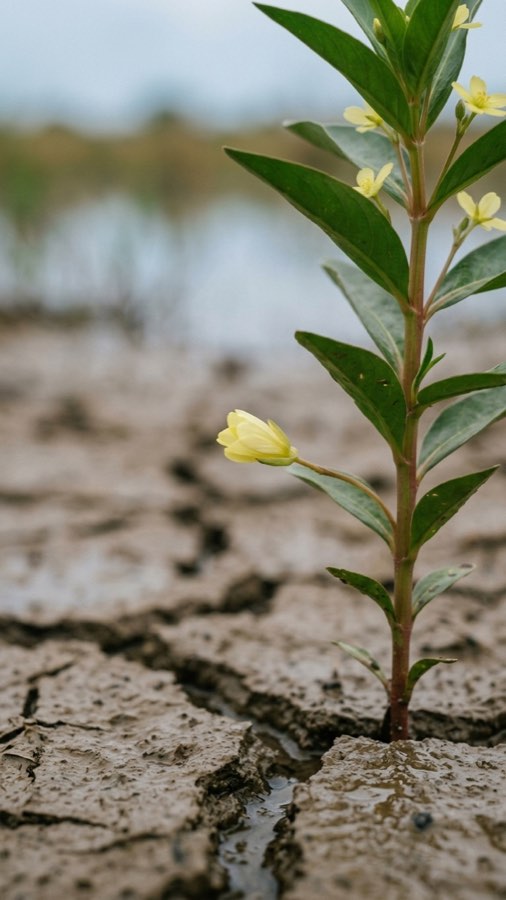 PLATE VIIPLATE VIII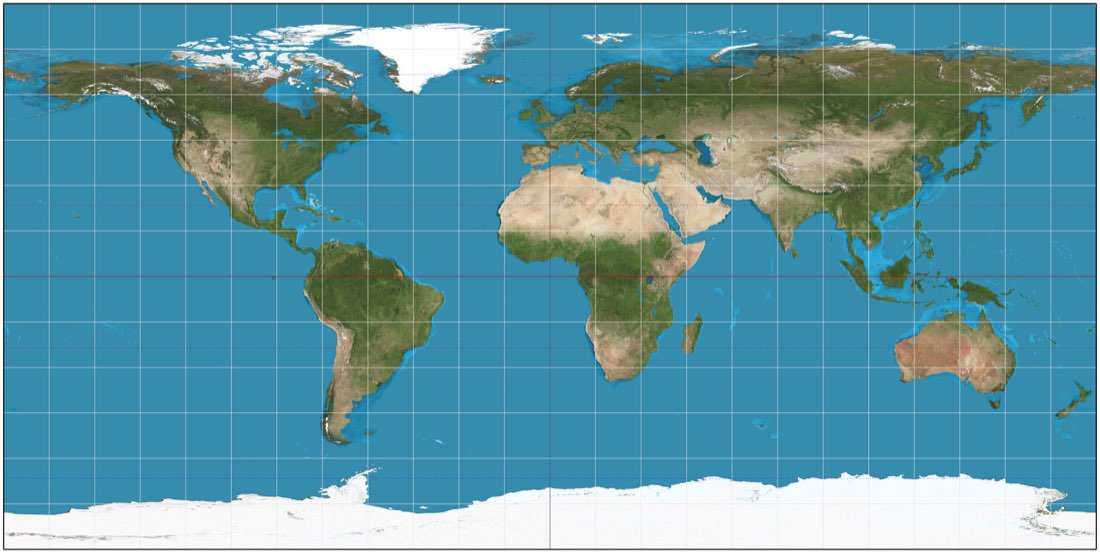
Only after the water recedes does this flower appear.
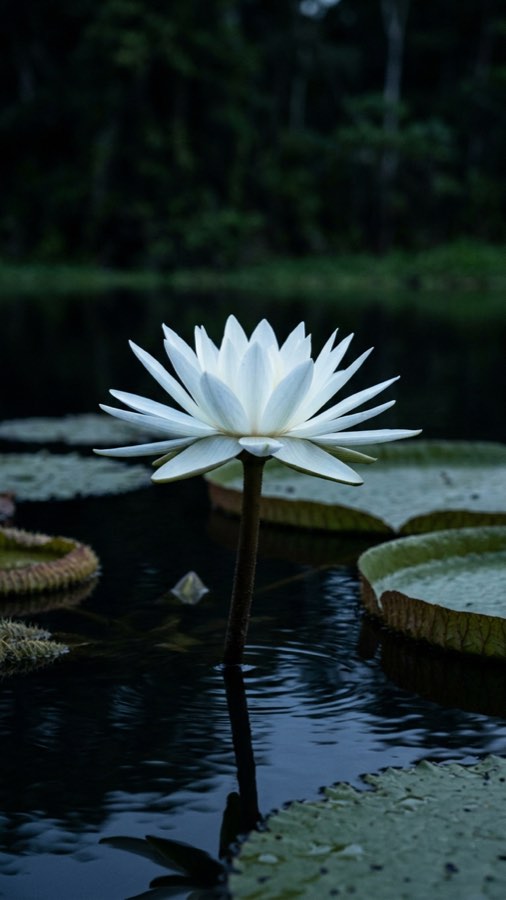
Through the rainy season, the plant sleeps beneath the water.
The seasonal floodplain of the Pantanal, South America.
A wetland where the water drains slowly at the start of the dry season.
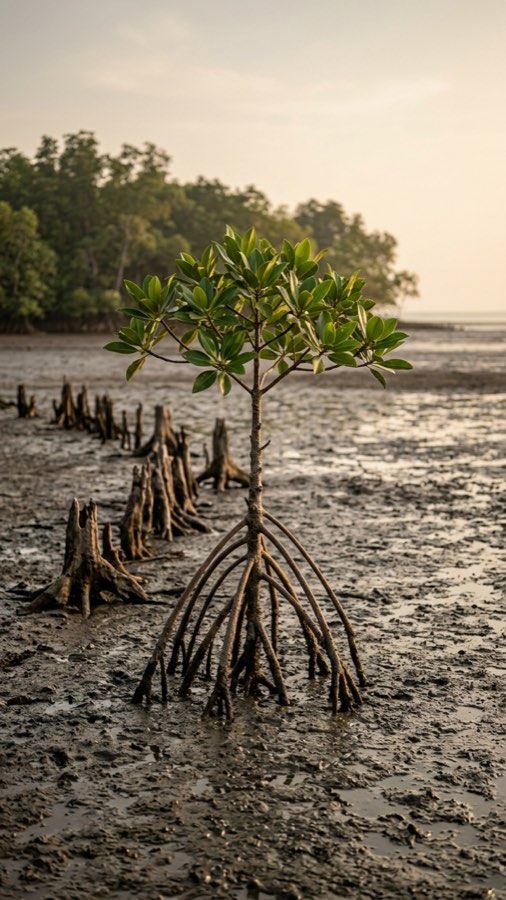
When the water is gone and soft mud appears,
the Ebbwater Flower opens its pale-yellow blooms for only a few days.
In early June, flowers of equal height appeared in bands across mud soft enough to take a boot. Blooming advanced inward about half a day behind the retreating waterline. In closing flowers the anthers touched the stigma, suggesting a plant prepared to set seed by self-pollination during the brief recession.
After flowering, the small fruits remain low rather than falling, persisting until the mud begins to crack. When the dry coat is split, fine seeds are found mixed with clay grains. With the next flood they likely loosen with the mud crust and move into nearby hollows, matching the local memory of good fish years when shallow water lingers.
Its absence from records is not explained by rarity alone. It stands little more than 20 cm high, flowers for only days, and its leaves lose their character once cleaned of mud. Older sheets were likely filed among small wetland herbs. Its restriction to fine alluvial clay that protects the rhizome from drying would also make records appear scattered.