Specimen · N°056 · 森 · ▶ Film
Cicatriflora fastorumDrought-Calendar Tree
この木は、渇いた年にしかflowerを咲かせません。
FOUND 10.4°S 40.3°W · ブラジル東部、季節ごとに乾く低地の谷の森 · ✝ EX · Last seen 1963
この木は、渇いた年にしかflowerを咲かせません。
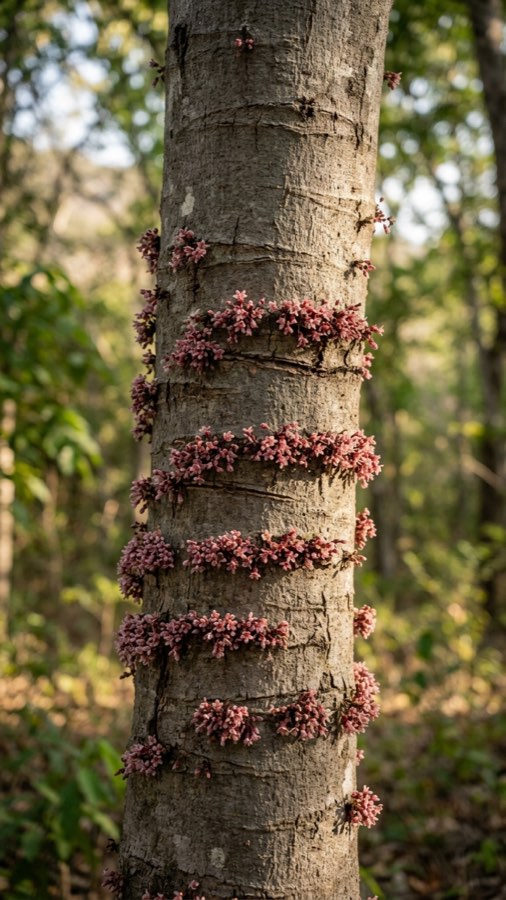
Drought-Calendar Treeは、季節ごとに乾く谷の森に立つ高さ八メートルほどの樹。太い幹はほとんど裸で、枝leafははるか上の梢にだけ茂る。flowerは枝ではなく、幹の肌に直接ついて咲く。カカオやジャボチカバと同じ幹生flowerだ。ただしどこにでも咲くわけではない。幹の表面には、渇Waterの年に形成された細いコルク質の傷痕が横一筋の帯となって残っており、flower芽はその古い傷の帯の上でだけ目を覚ます。乾いた年ほど傷は深く硬く、翌年その帯に沿って淡い紅色の小flowerが点々と連なる。Rainの豊かな年には傷が浅く、幹はなめらかに太るだけでflowerはつかない。だから幹を下から見上げると、flowerの帯と帯のあいだの滑らかな距離が、渇いた年と潤った年の間隔をそのまま測る目盛りになる。木は自分が耐えてきた渇きの年を、幹の高さに刻んで数えている。
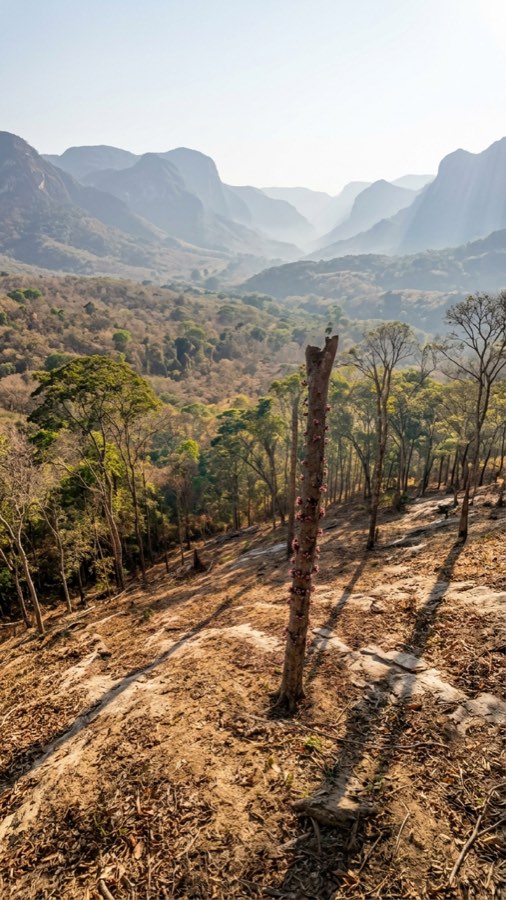 PLATE I
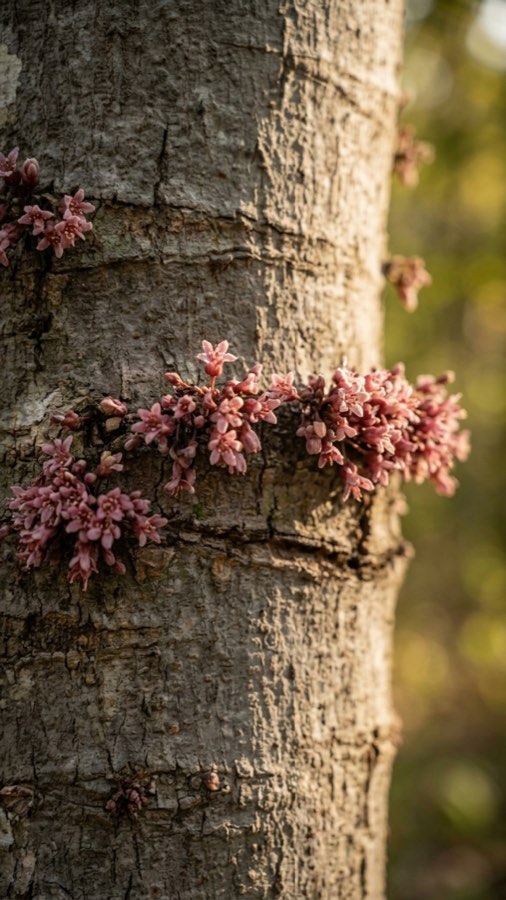 PLATE II
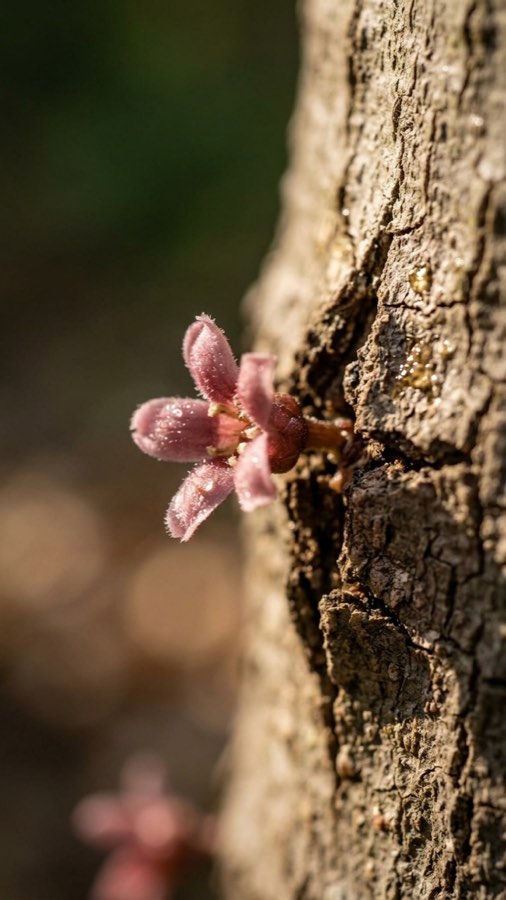 PLATE III
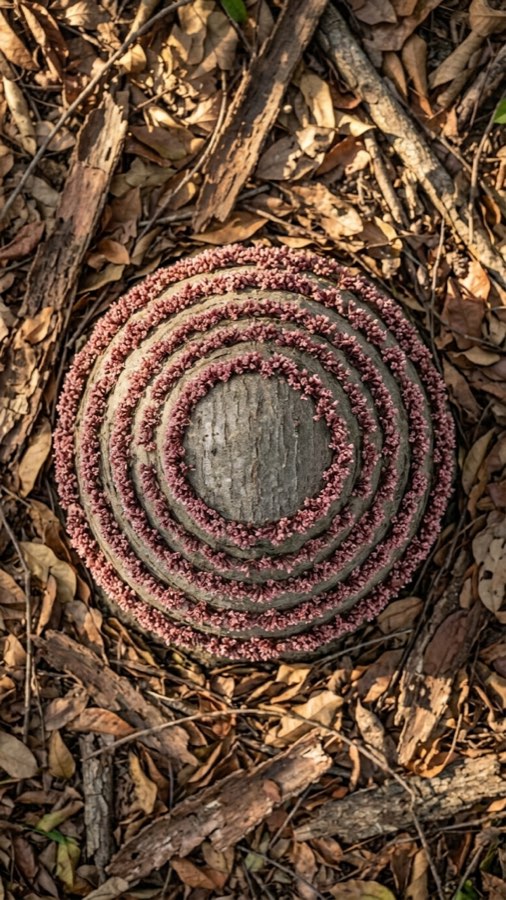 PLATE IV
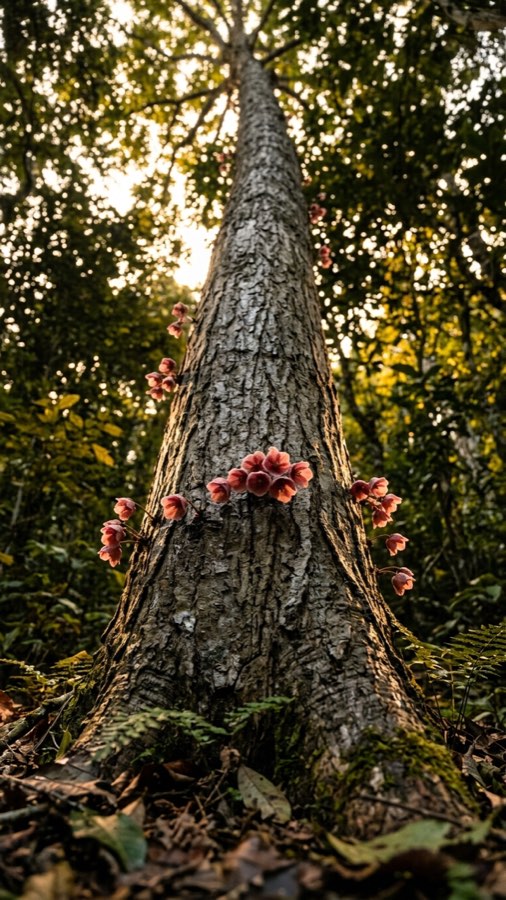 PLATE V
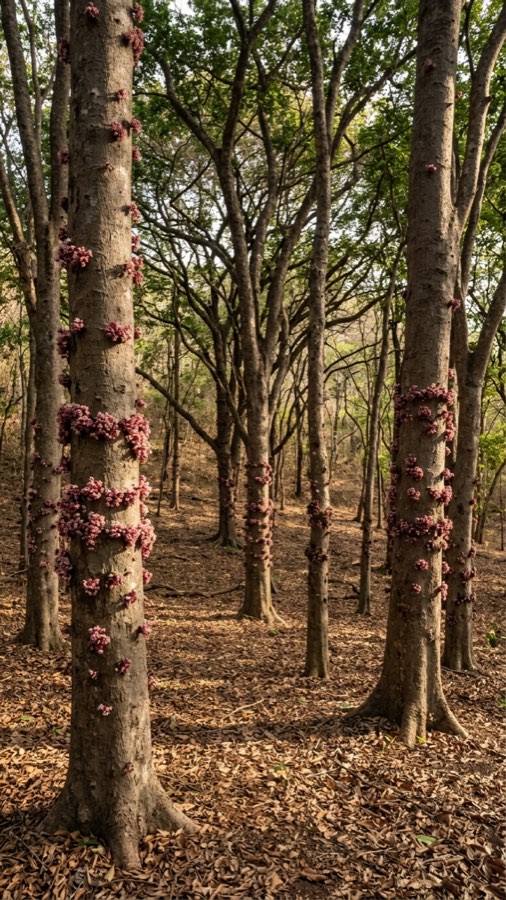 PLATE VI
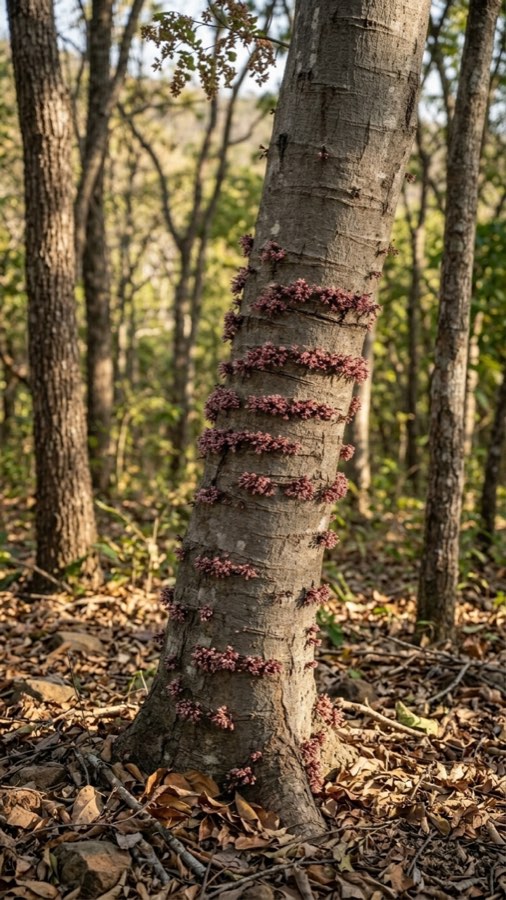 PLATE VIIPLATE VIII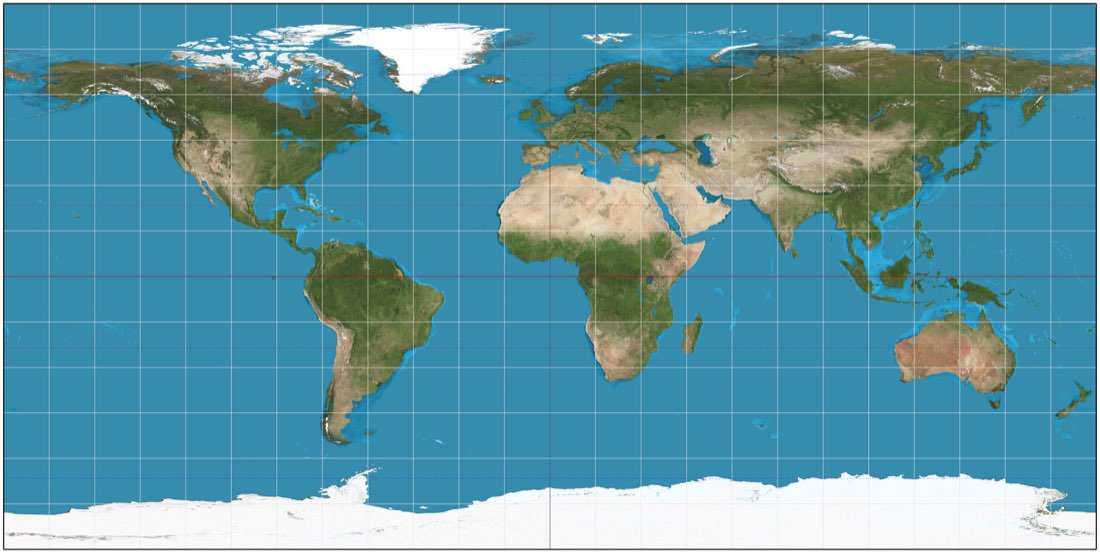
この木は、渇いた年にしかflowerを咲かせません。
flowerがOpenのは、幹に刻まれた古い渇きの傷の上だけだからです。
ブラジル東部、季節ごとに乾く谷の森。
カカオのflowerのように、太い幹の肌へ直接ついて咲きます。
淡い紅色の小flowerは、渇いた年に残った横一筋の傷の帯にだけ連なります。
Rainの豊かな年、幹はなめらかに太り、flowerはつきません。
When the ponds are full, Lacustrina dormiens gives almost no outline of an ordinary aquatic plant. Only a thin rosette lies pressed to the mud surface, while a small tuber-like storage organ rests at the base. Beneath the fine silt is an organic, oxygen-poor layer, darkened by iron-rich deposits that faintly stain the petioles. The amber tint at the base of the flower seems to echo this chemistry of the mud.
Two or three mornings after the pond floor begins to crack, the flowers open across the colony at nearly the same height. The cup-shaped blossoms appear capable of setting seed by self-pollination, yet small dipterans flying low over the newly exposed mud brush the flower bases and move pollen between neighboring plants. Since crossing is scarce under water, this brief dry interval serves as the colony’s genetic breathing space.
When rain returns, the aerial leaves and flower stalks do not so much rot as collapse into a thin film against the mud. Mature seeds are drawn into the sticky sediment and seem to enter dormancy for several years near the tubers. The absence of visible traces during full-water years is not an anomaly but the center of this life history. What can be recorded is less the plant itself than the gap it fills on the mud surface in dry years.