Specimen · N°055 · Mist · ▶ Film
Chronanthus vallitinctusValley-Tide Bloom
十数年にたった一度だけ、谷ひとつが一晩で色を変えます。
FOUND 11.4°N 76.6°E · 南インド西ガーツ、ニルギリ丘陵の高地草原(ショラ草原)、標高約2000mの斜面 · ✝ EX · Last seen 2023
十数年にたった一度だけ、谷ひとつが一晩で色を変えます。
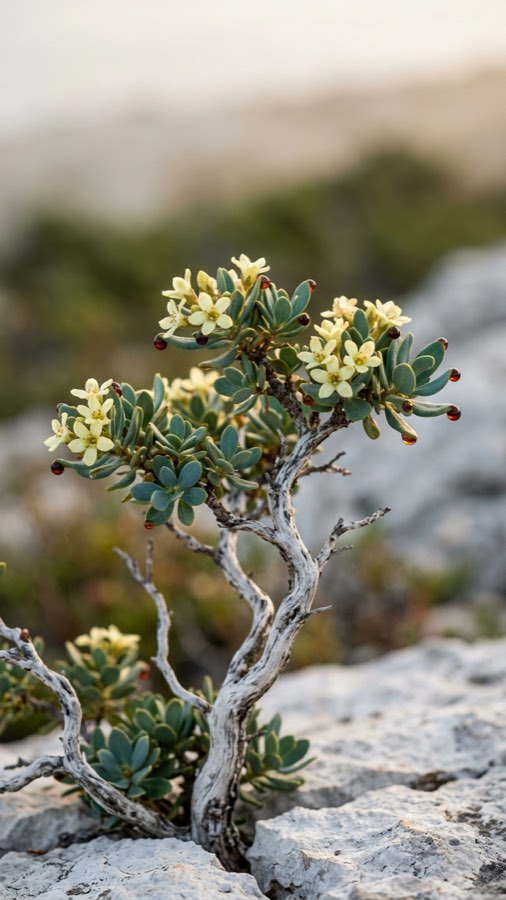
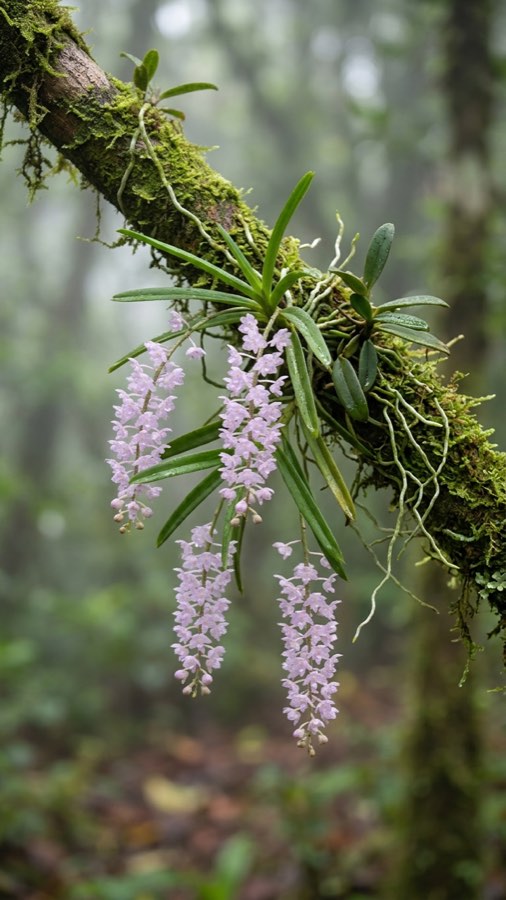
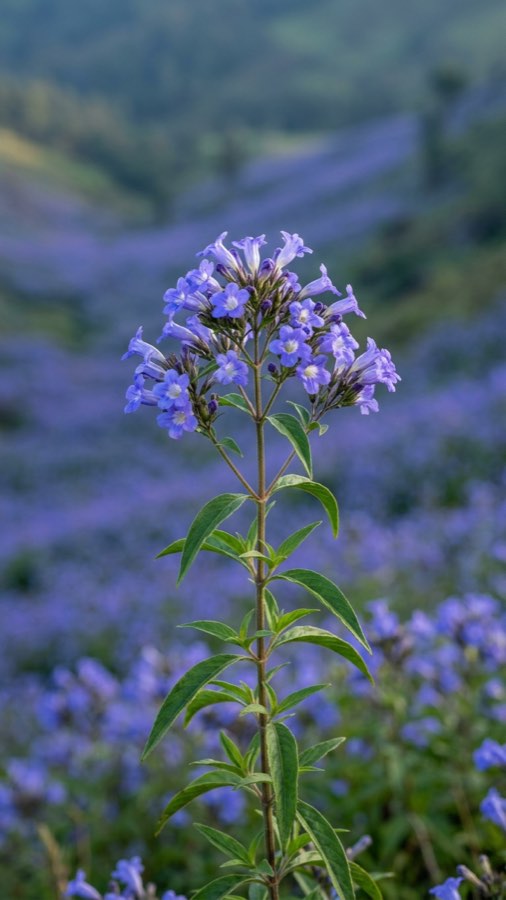
Valley-Tide Bloomは、高地の草原に生える細い多年生の草。ふだんは膝ほどの高さで緑のleafを茂らせるだけでflowerはつけない。同じ斜面の株はみな、一度の大量結実からいっせいに芽生えた同い年の仲間で、体の中で過ぎた季節の数を静かに数えている。十数年ぶんの季節が積もり、気温と日長がある条件に達した年、斜面じゅうの株がひとつの合図を分け合ってそろって蕾をひらく。蕾は前もって出そろっているため開flowerはわずか数日の窓に集中し、谷はひと晩で緑から藍へ反転して見える。flowerは小さな筒状で、青紫に淡い喉をのぞかせる。やがて種を落とすと株はそろって枯れ、色は跡形もなく消える。落ちた種は土の中で次の周期まで眠り、谷が再び染まるのはまた十数年も先になる。
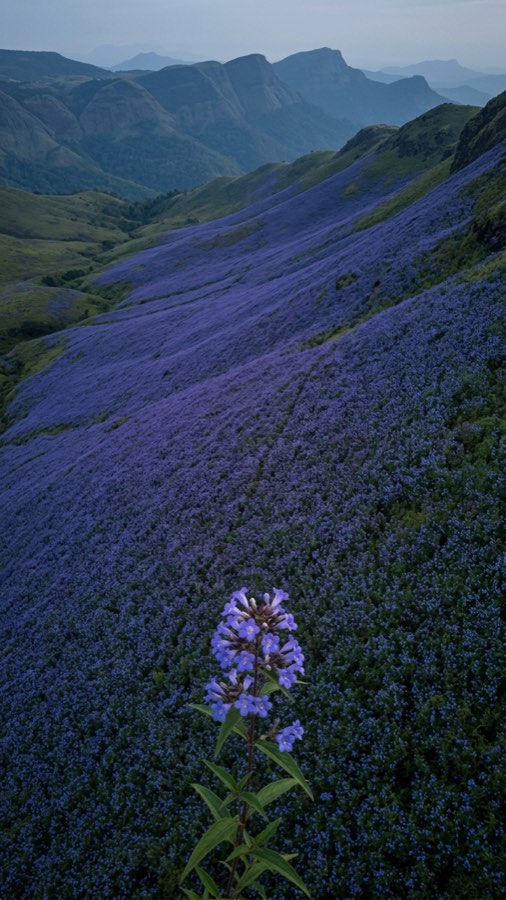 PLATE I
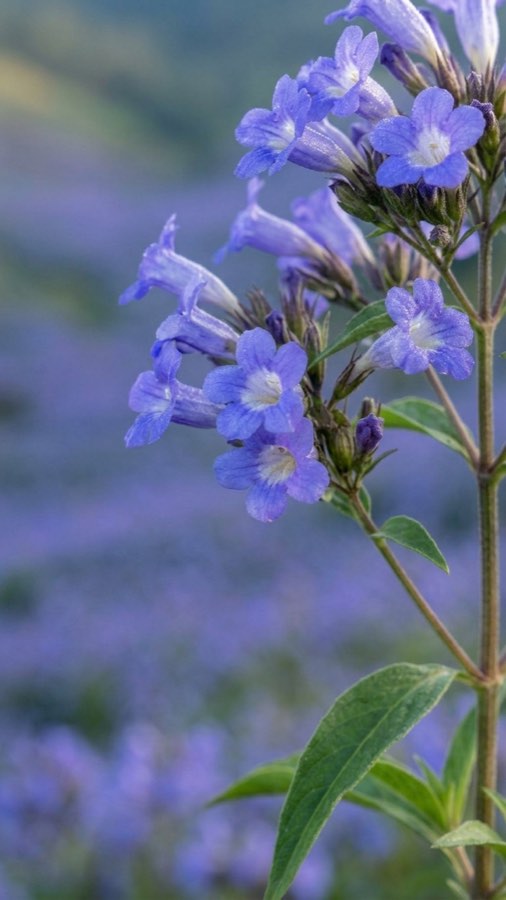 PLATE II
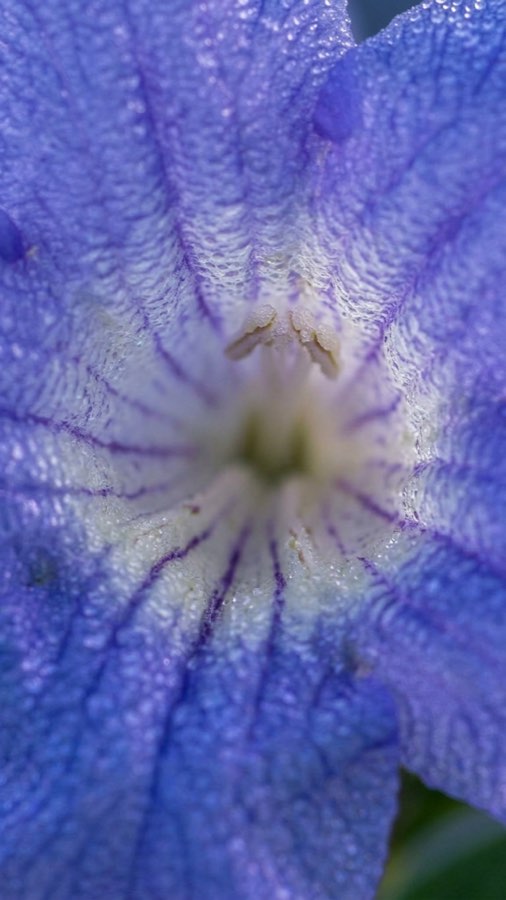 PLATE III
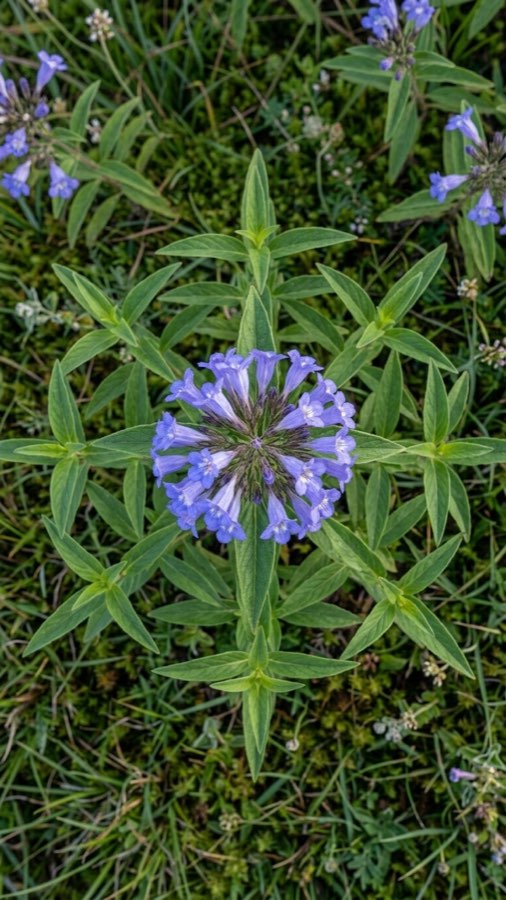 PLATE IV
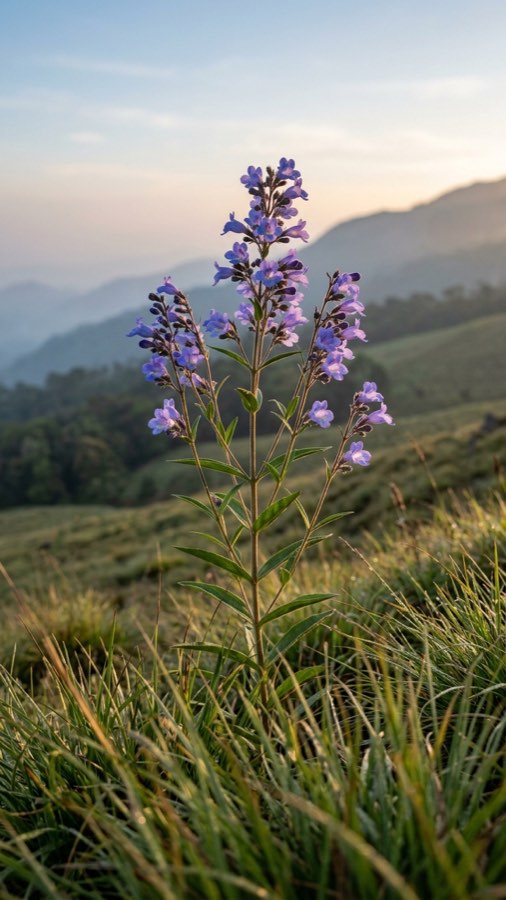 PLATE V
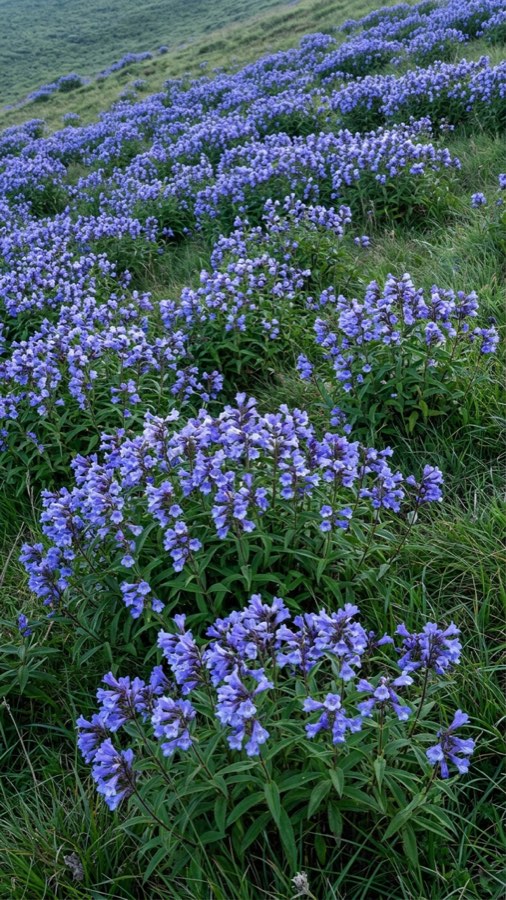 PLATE VI
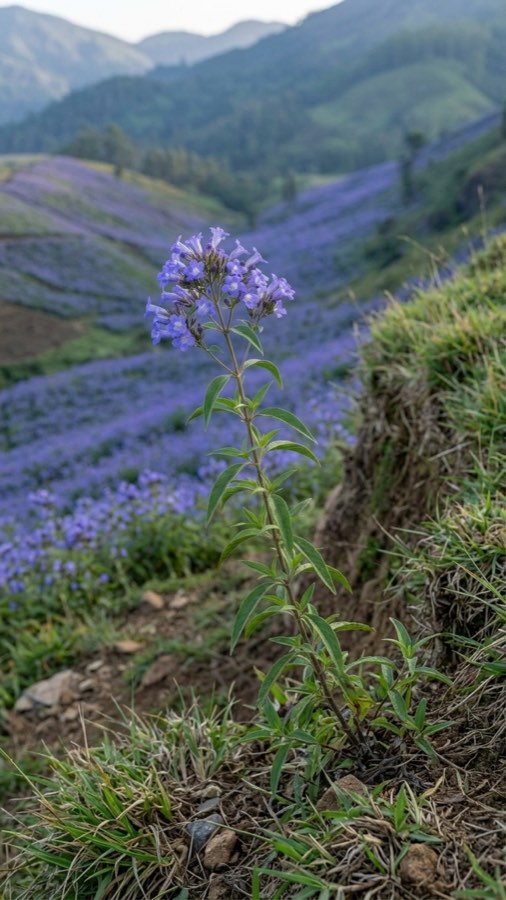 PLATE VIIPLATE VIII
十数年にたった一度だけ、谷ひとつが一晩で色を変えます。
昨日まで緑一色だった斜面が、朝には見わたすかぎりの藍に染まっています。
南インド西ガーツ、ニルギリ丘陵の高地草原。
斜面じゅうの株が同じ時計を分け合い、いっせいにflowerをひらきます。
けれどflowerが終わると、株はそろって枯れ、色は跡形もなく消えます。
次に谷が染まるのは、また十数年も先のこと。
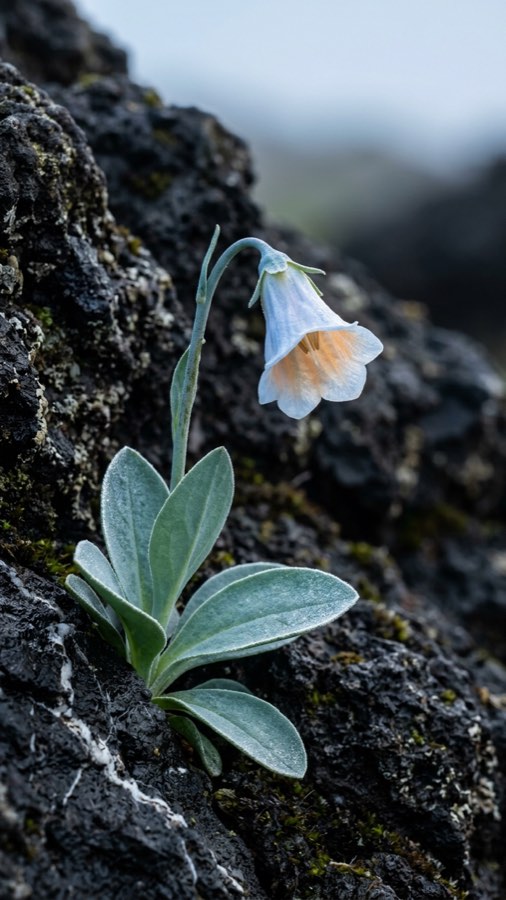
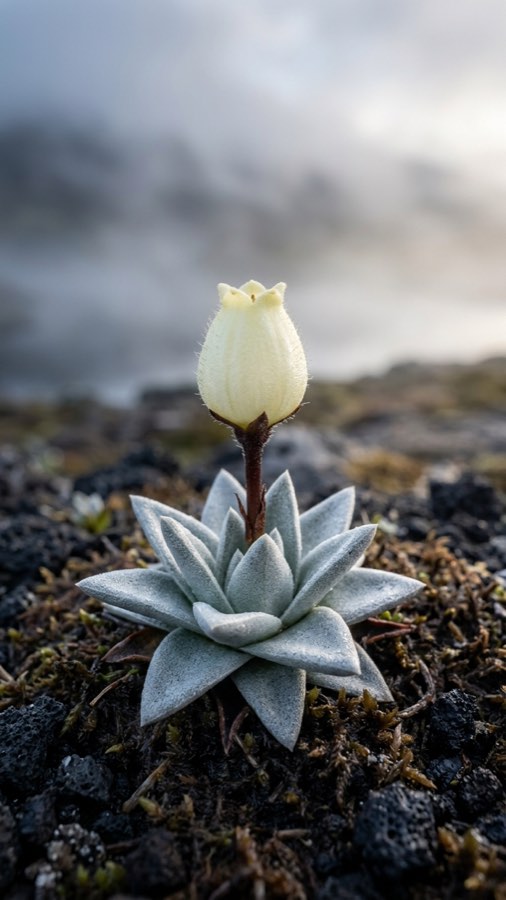
On overcast evenings, only the white corolla becomes visible first along the dark margin of the bai. Its throat is narrow, with fine nectar guides on the reddish-brown interior, a form suited to tiny wetland hoverflies seldom caught in daylight photographs and small moths flying before dawn. The single flower seems not a sign of weakness, but an economy: enough stem, enough bloom, and enough time to set seed during the brief pause in spring flow.
After flowering, the ovary bends close to the mud surface, and the seeds fall into the grey sediment at the root rather than being carried away. When spring water returns in the next rainy season, they do not germinate; they appear to wait for years in reduced, iron-rich mud. Only when the flow weakens again and the iron film thins do seedlings rise together inside the pale ring left by the parent root, so colonies appear as small patches rather than continuous lines.
The guides do not treat the flower as an omen but as evidence that the spring has already weakened. A bai showing these white blooms is not counted on for drinking water or as a hunting wait for several weeks. Around flowering plants, fresh tracks are few and competition from other marsh herbs is interrupted. The plant's absence is therefore not merely oversight; it records the return of iron-bearing water and the recovery of the surrounding vegetation.