Specimen · N°043 · Water · ▶ Film
Radix dispersa tschadensisScattered-kin Herb
Flowers that bloom apart may, at the bottom of the earth, be one.
FOUND 13.2°N 14.5°E · Eastern shore of Lake Chad, Central Africa · ✝ EX · Last seen 1995
Flowers that bloom apart may, at the bottom of the earth, be one.
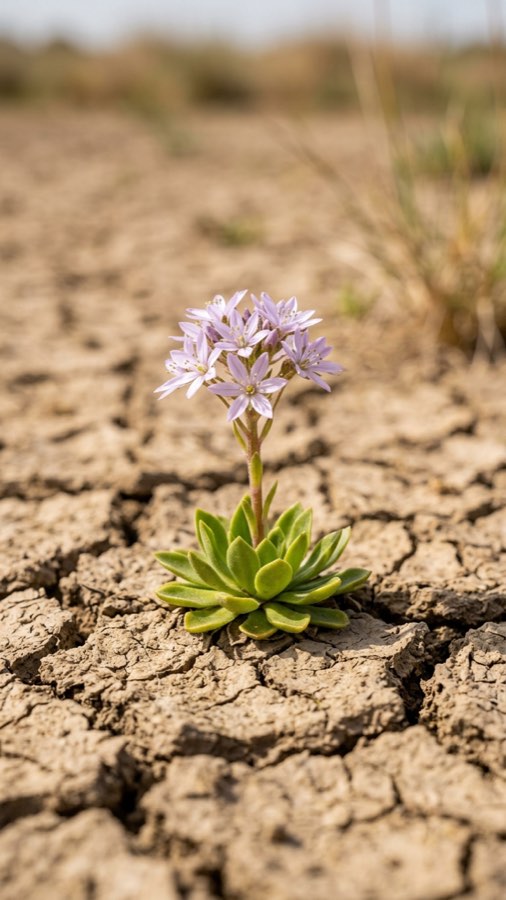
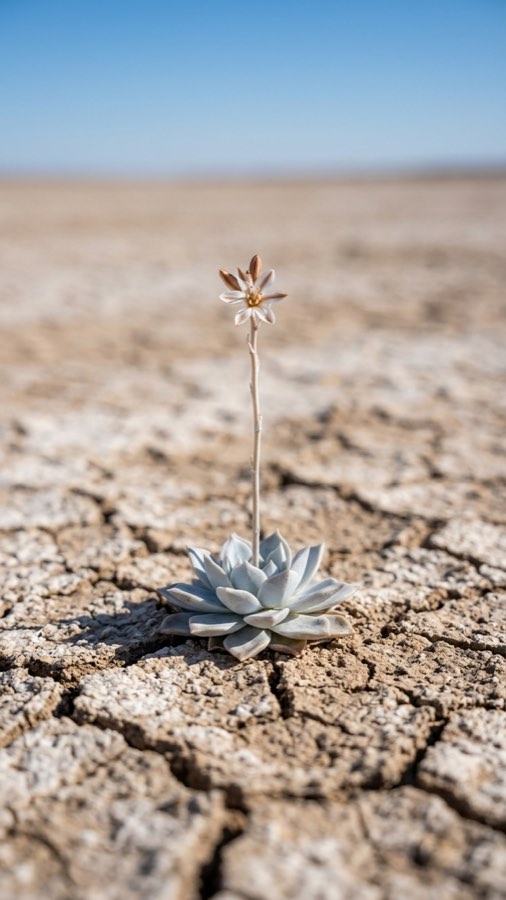
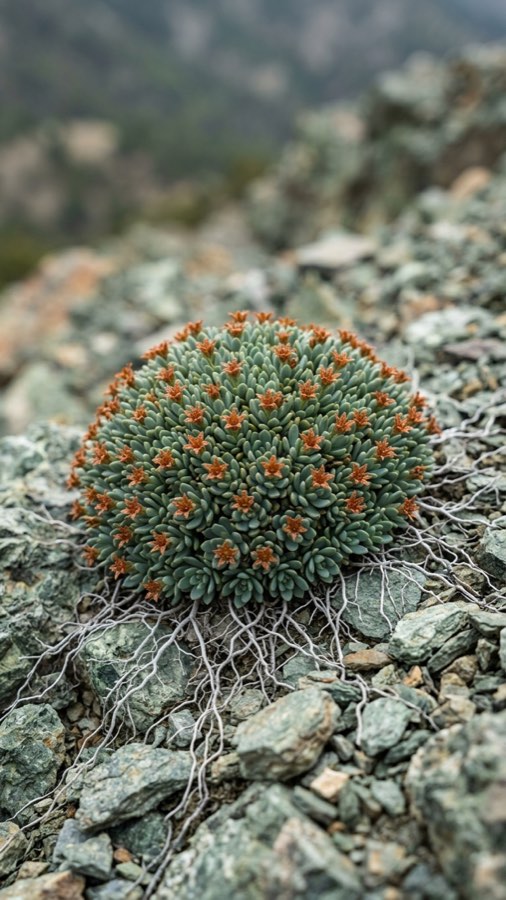
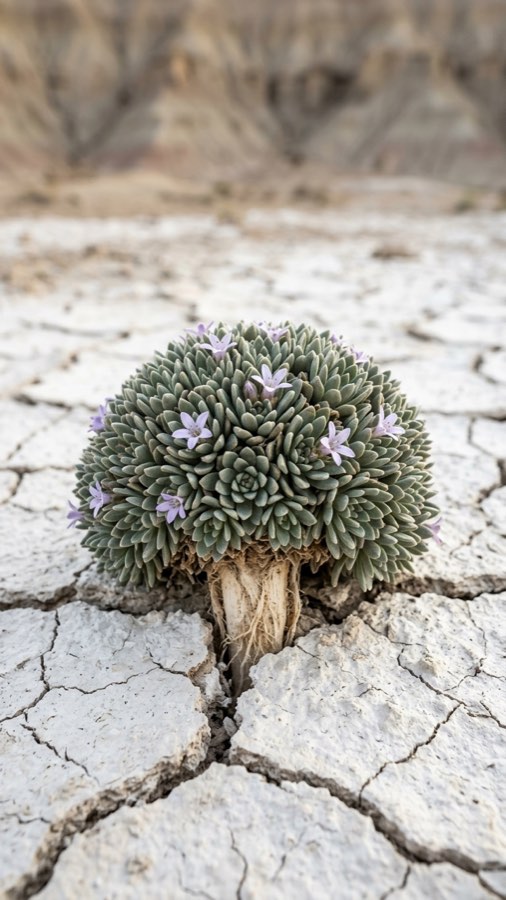
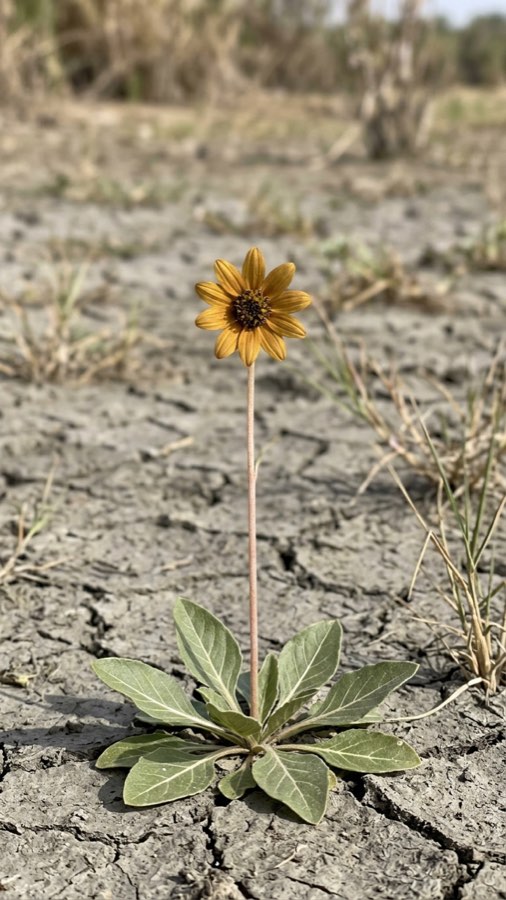
The Scattered-kin Herb is a plant some 20 cm tall, rising from cracked dry mud. It spreads low olive spatulate leaves veined in pale lines, and on a long light red-brown stem bears a single dull amber star-shaped flower with a dark centre. Above ground the plants stand far apart; deep below, an old single root is thought to run sideways, pushing up shoots at a distance from its second storey. It sprouts only in years when the lakeshore has retreated; when the water returns, the plants above ground vanish, and the root alone waits under the dry mud for the next retreat. Whether the separate-seeming plants are in truth one individual, no one has yet been able to confirm.
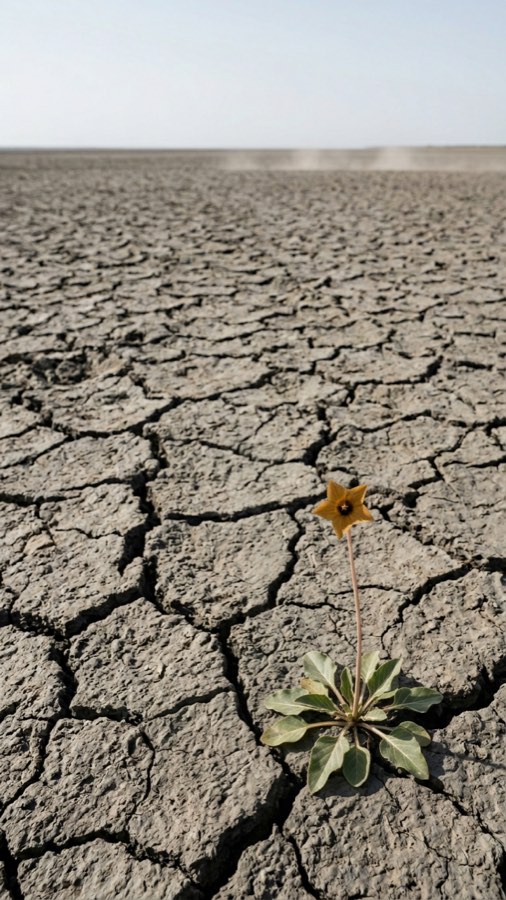 PLATE I
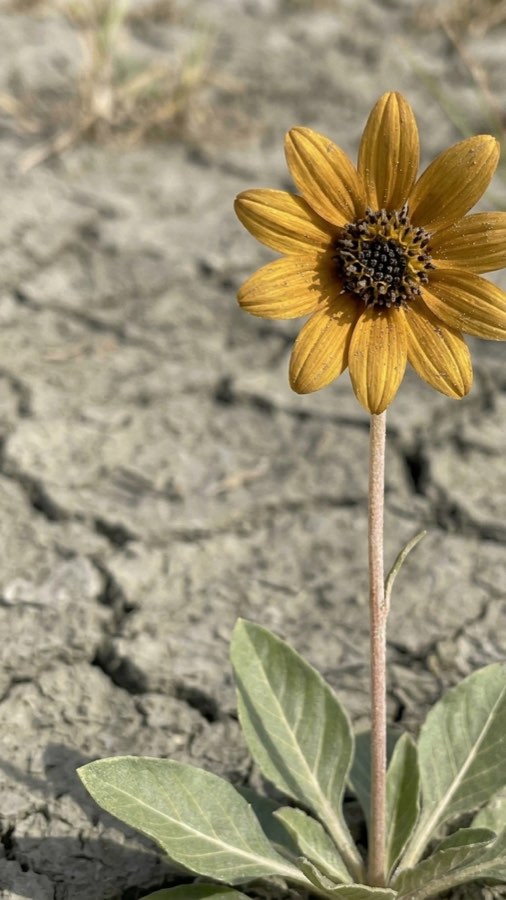 PLATE II
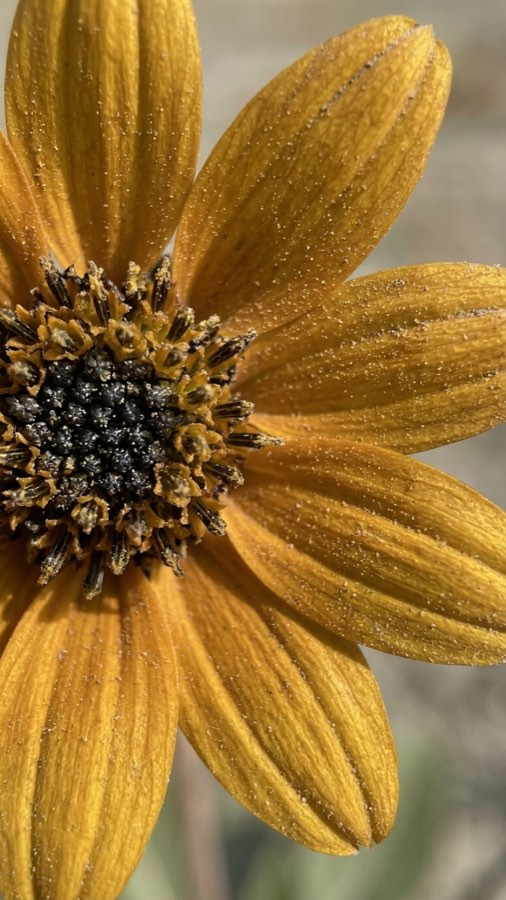 PLATE III
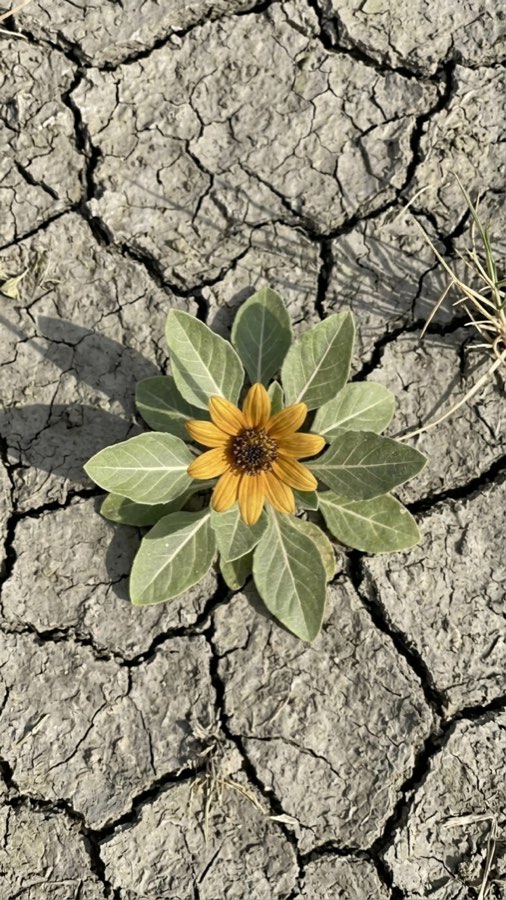 PLATE IV
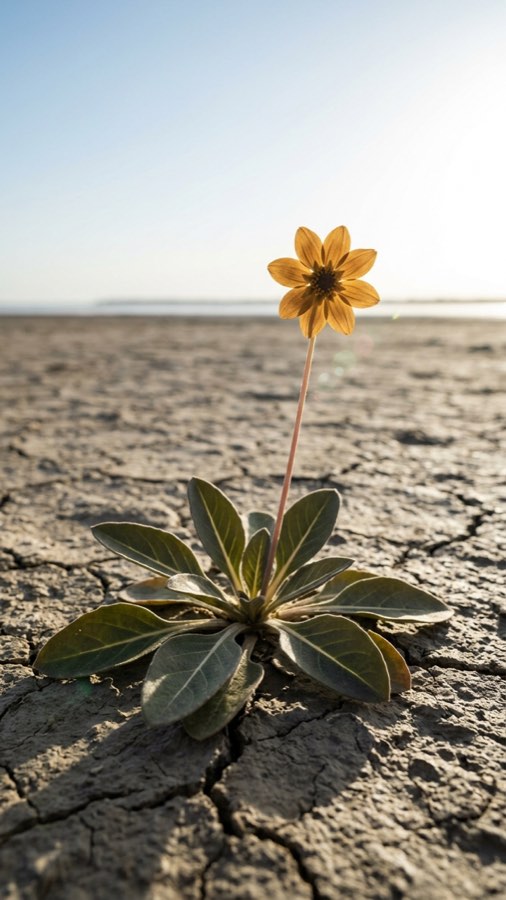 PLATE V
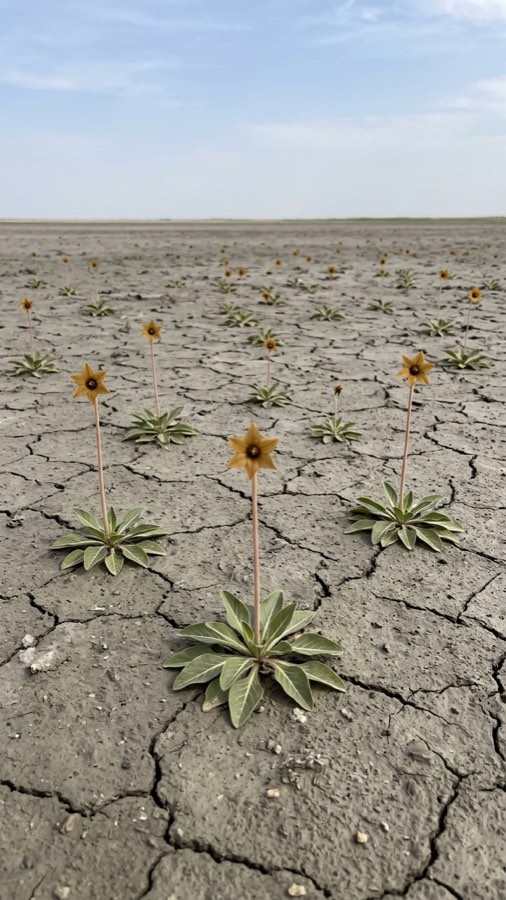 PLATE VI
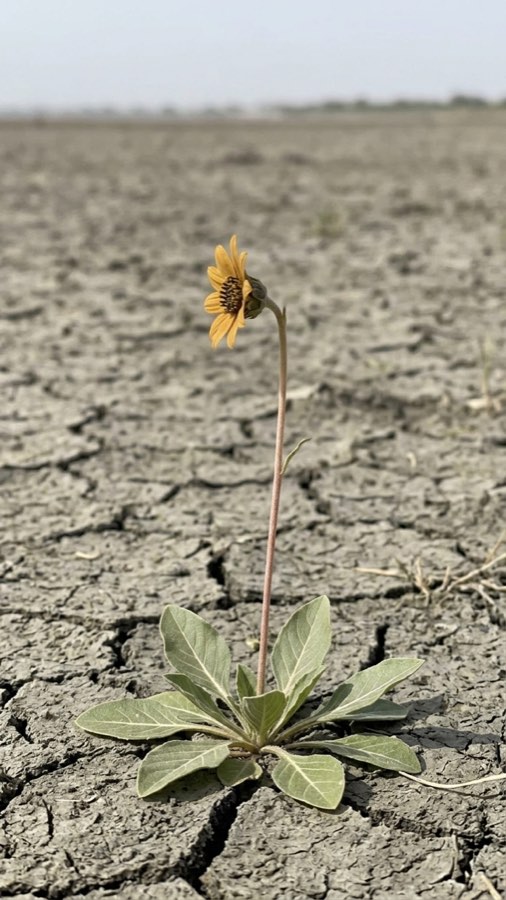 PLATE VIIPLATE VIII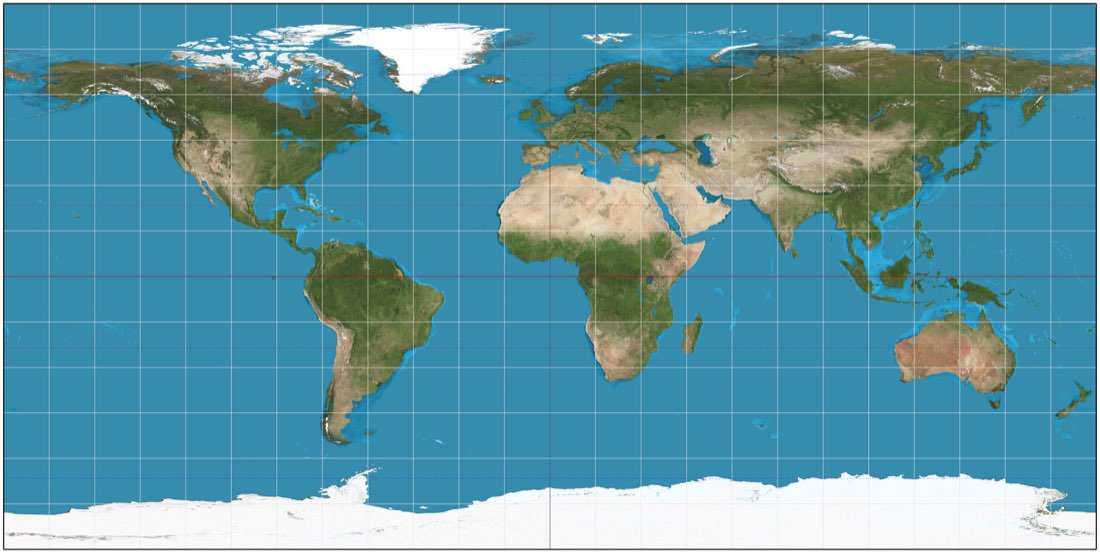
Flowers that bloom apart may, at the bottom of the earth, be one.
No one has ever seen where one of them ends.
The eastern shore of Lake Chad, Central Africa.
Only in a year when the lake retreats by kilometres does the cracked mud appear.
There, dotted far apart, the Scattered-kin Herb sprouts on the dry grey-brown ground.
Far apart above ground — yet deep below, one old root joins them.
In most years, Radix dispersa tschadensis raises its flower and withers without swelling into fruit. It merely sends another shoot from the old buried root, so the stand appears to increase without truly multiplying. Yet in years when the lake’s retreat lasts beyond two rainy seasons, small capsules remain at the base of the dull amber flower. The plant seems self-compatible when visitors are scarce; ripe seeds fall into mud cracks and rest there until the clay closes again.
The flower is not brightly colored, but on dry lake mud its muted amber stands out more than expected. By day, small bees and flies moving close to the ground would pause briefly on the star-shaped disk, brushing their bodies against the dark center. The long stalk does not seem built to resist wind; rather, it lifts only the flower above the shadows of the cracks and into a low flight path.
Fishers and herders on the eastern shore read the spacing of this plant as a memory of water level. In years when its shoots appear sparsely over a wide distance, both the boat landing and the moist grazing ground have moved farther away. The name “one grass blooming apart” speaks not only of a connected root, but also of a life in which the lake’s retreat was measured by walking it.