Specimen · N°019 · Cave · ▶ Film
Antroflora luminisCave-mouth Bloom
It blooms at a cave mouth, where a single shaft of light reaches.
FOUND 16.0°N 107.5°E · The mouth of a limestone cave in Southeast Asia · ✝ EX · Last seen 2013
It blooms at a cave mouth, where a single shaft of light reaches.
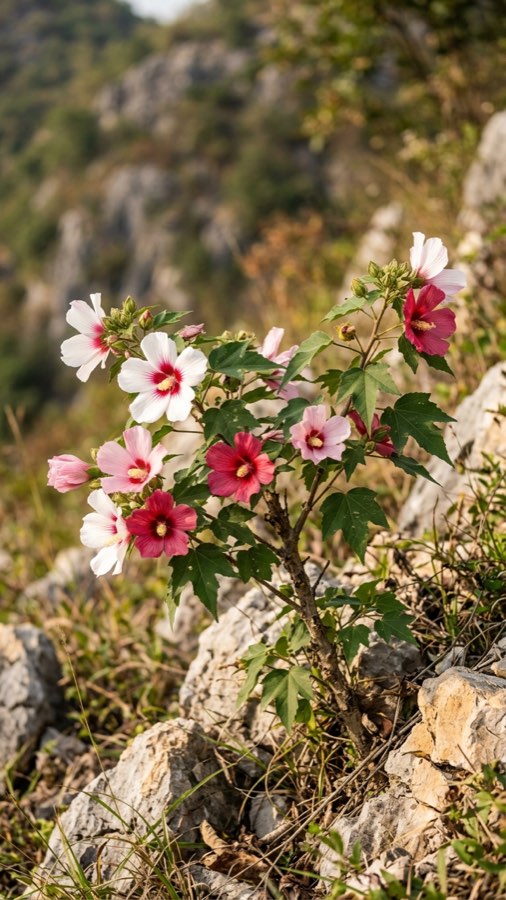
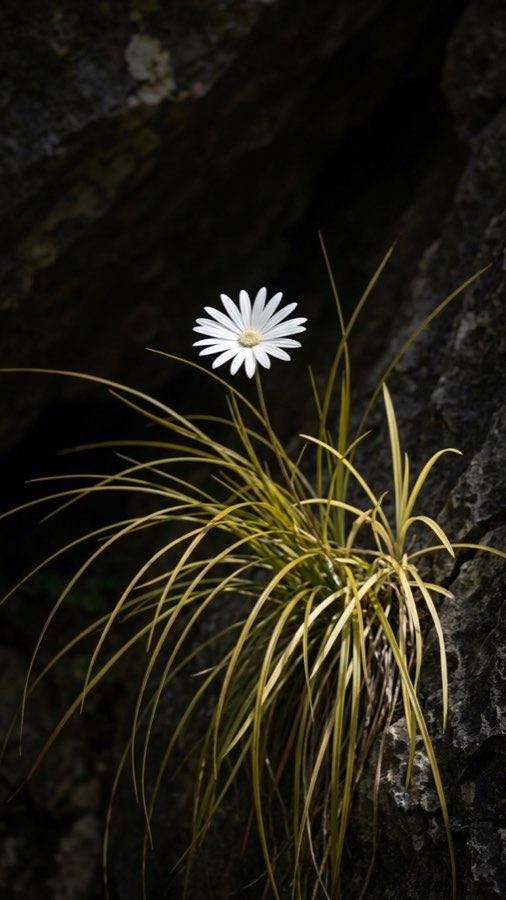
A spindly perennial 12–20 cm tall. In the poor light its leaves are pale yellow-green and thin, its stem long and slender. The white flower slowly turns to face the single shaft of light entering the cave.
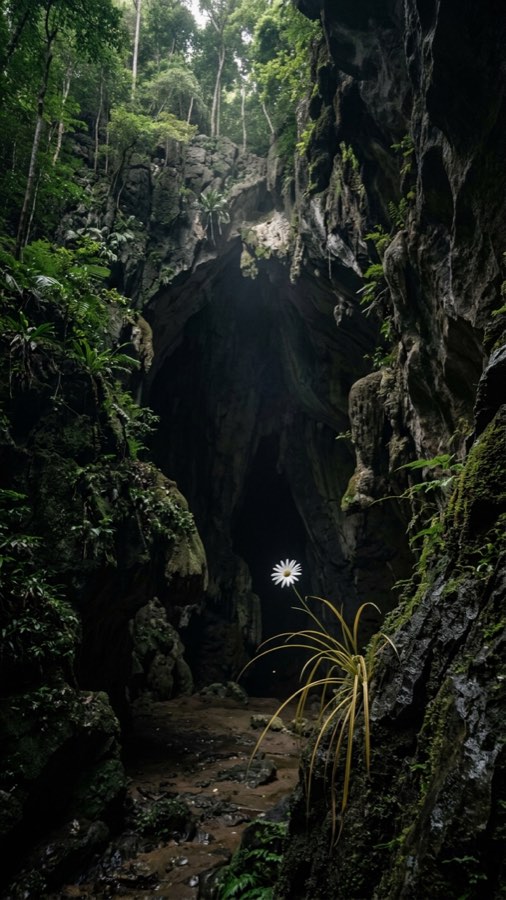 PLATE I
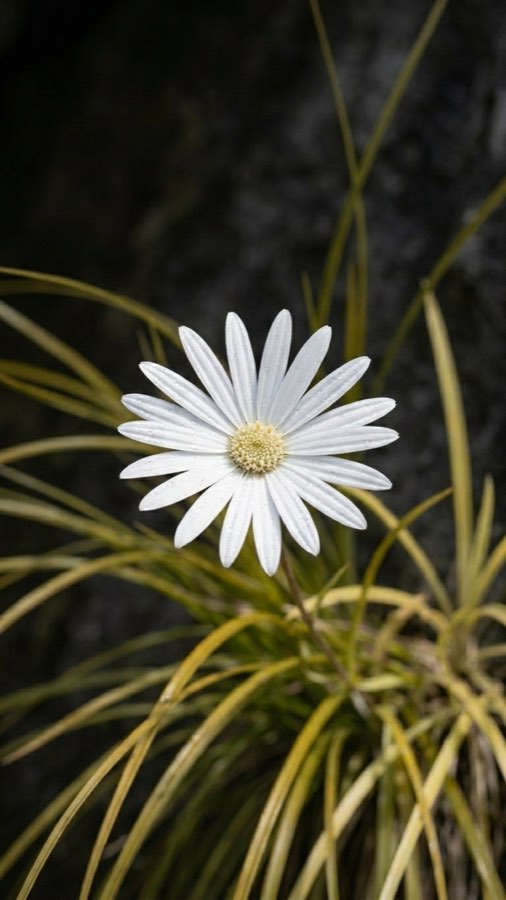 PLATE II
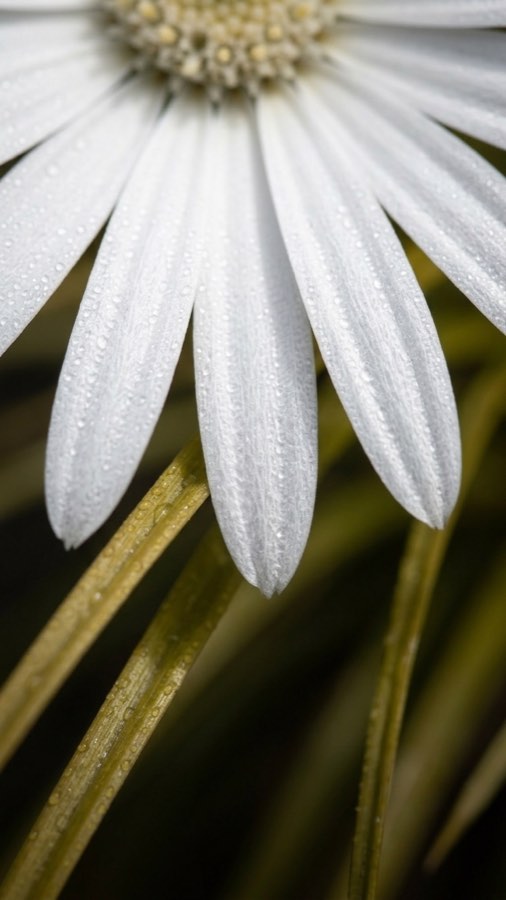 PLATE III
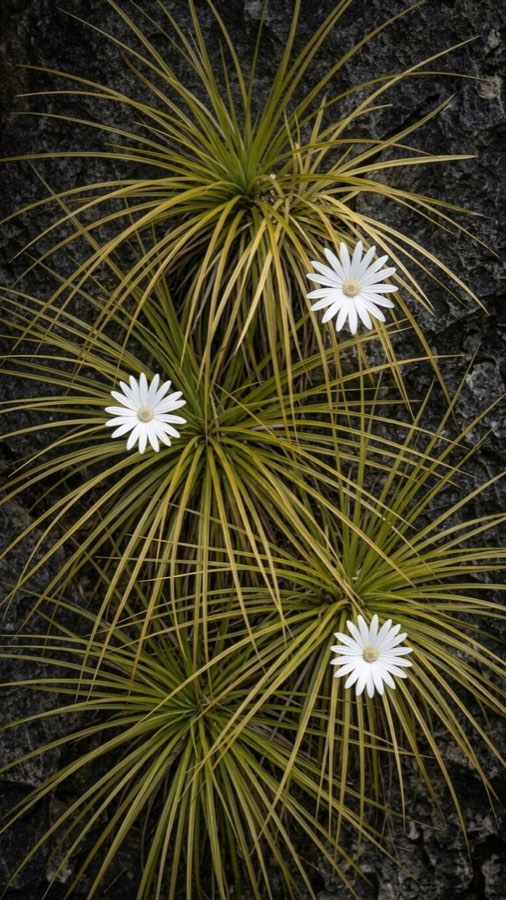 PLATE IV
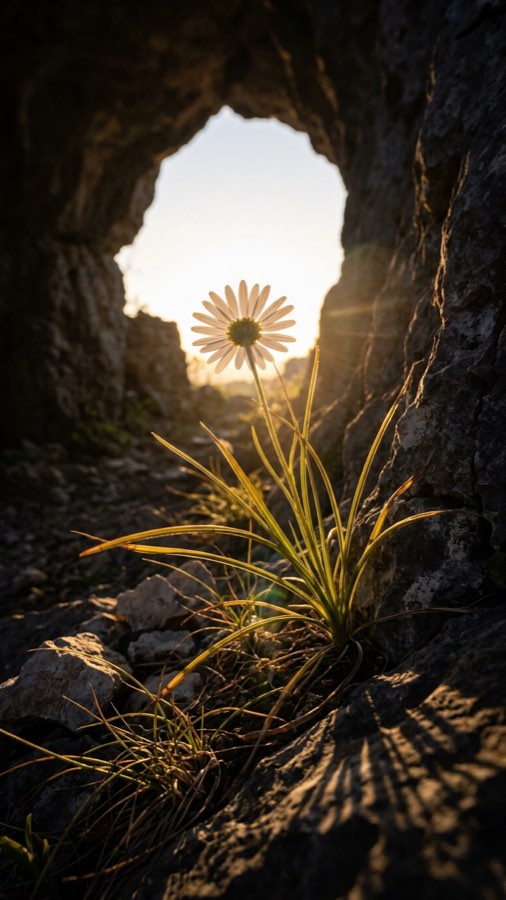 PLATE V
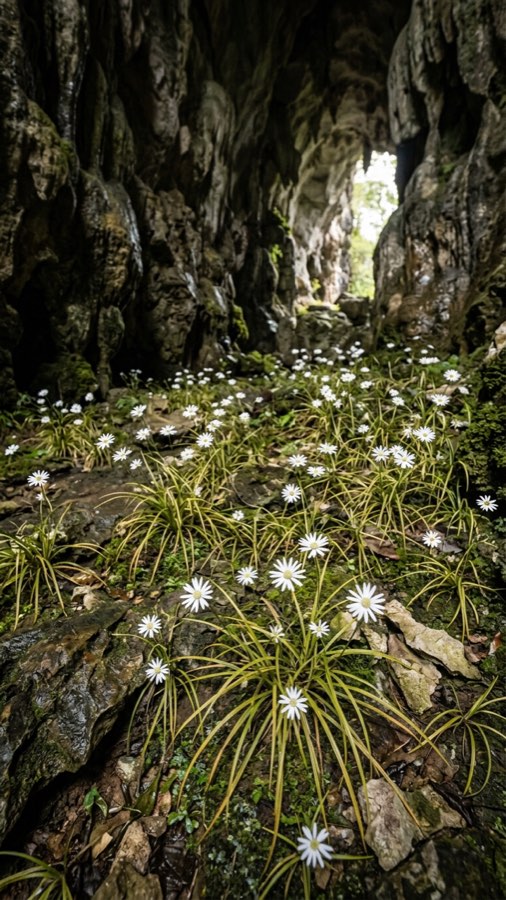 PLATE VI
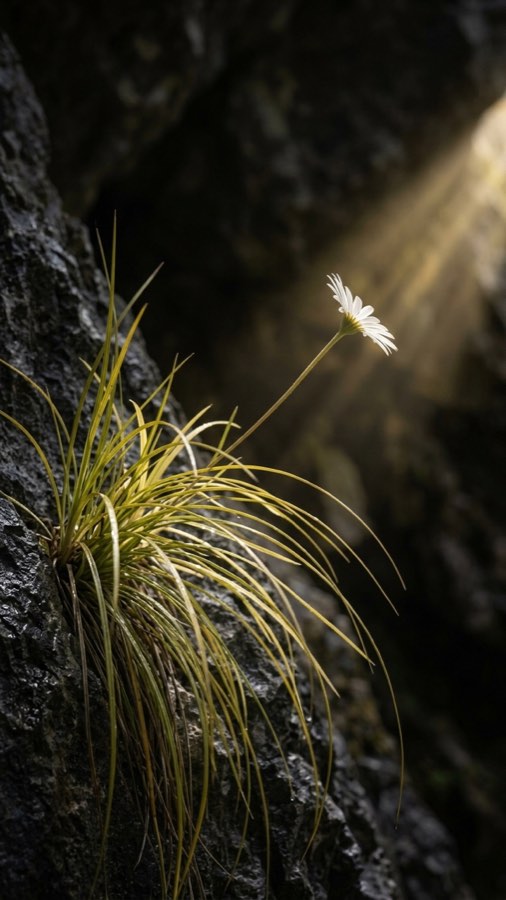 PLATE VIIPLATE VIII
It blooms at a cave mouth, where a single shaft of light reaches.
The flower keeps following that single shaft of light.
A limestone cave in Southeast Asia.
On the dim rim where a little outside light enters, the Cave-mouth Bloom grows.
In the scant light, its leaves are pale yellow-green and thin.
At the tip of a long slender stem, a single white flower opens.
The reason Antroflora luminis was missed lies less in its position than in its hour. It opens its white flowers for only two or three days after the first rains following the dry season, and holds the corolla only during the morning, when direct light cuts a narrow line across the cave mouth floor. Before noon it sinks back into the calyx. An afternoon collector would find only pale leaves and thin stems, easily filed away as another shade herb of limestone crevices.
Even among limestone caves, it does not occupy every entrance. Colonies with flowers turned in one direction occur only where the mouth opens somewhat eastward and the low oblique light around the wet season reaches the base of the inner wall for a few minutes. Dripwater must be present but not excessive, and the floor must hold a thin humus mixed with limestone dust. Outside these conditions, leaves may appear, but stems fail to extend and the buds blacken. Its range is not a set of points so much as an agreement between aspect, light, and rock fissures.
The corolla carries little sweetness at its throat and seems built for the small moths and flies that pass the cave mouth at dawn and dusk. The pollen dries quickly, then regains tackiness in a damp morning. After fruiting, the seeds do not fly far; raindrops knock them down into limestone cracks. Charcoal burners, gatherers, and people using temple paths watched the plant called “Light-follower” to read the dryness of the morning air. Its reputation as a sign of fair weather was less divination than remembered field meteorology.