Specimen · N°018 · Desert · ▶ Film
Volvithamnus erraticusWandering Tumbleweed
When it dies, it rolls away as if alive.
FOUND 33.3°N 44.4°E · The bed of a dried-up lake in a Middle Eastern desert · ✝ EX · Last seen 1999
When it dies, it rolls away as if alive.
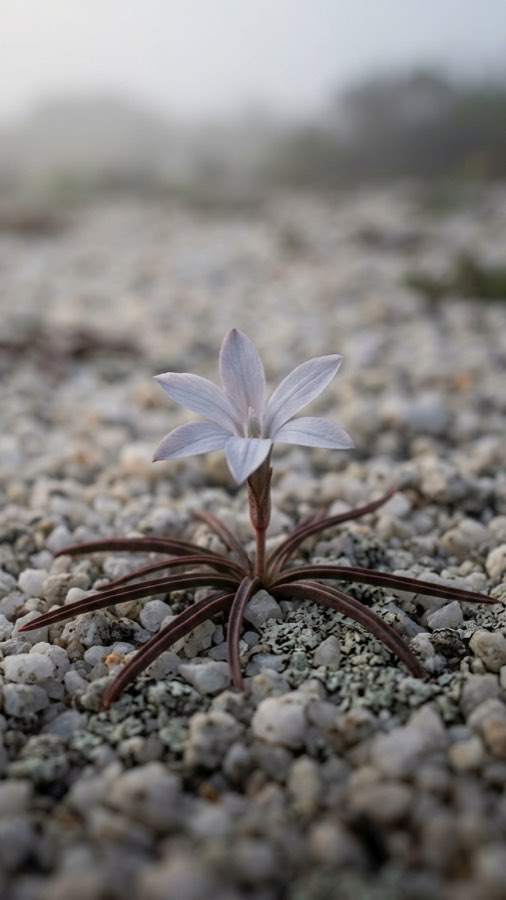
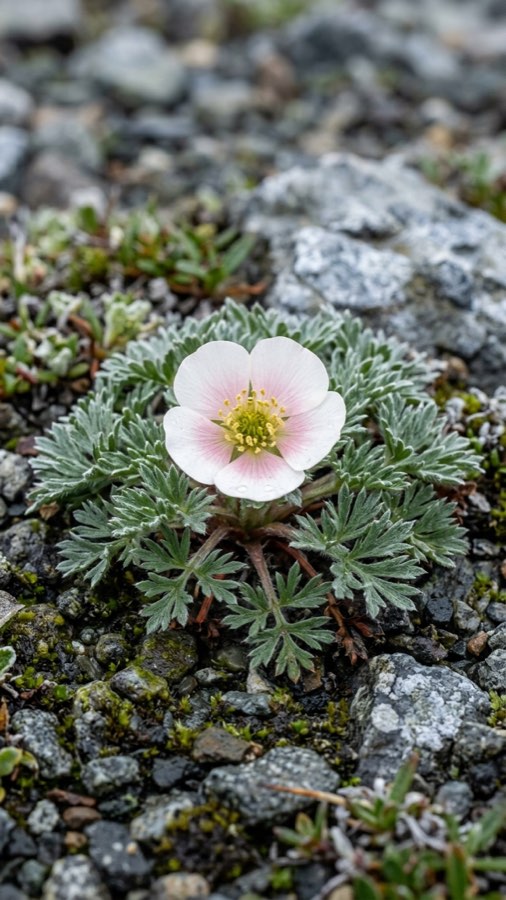
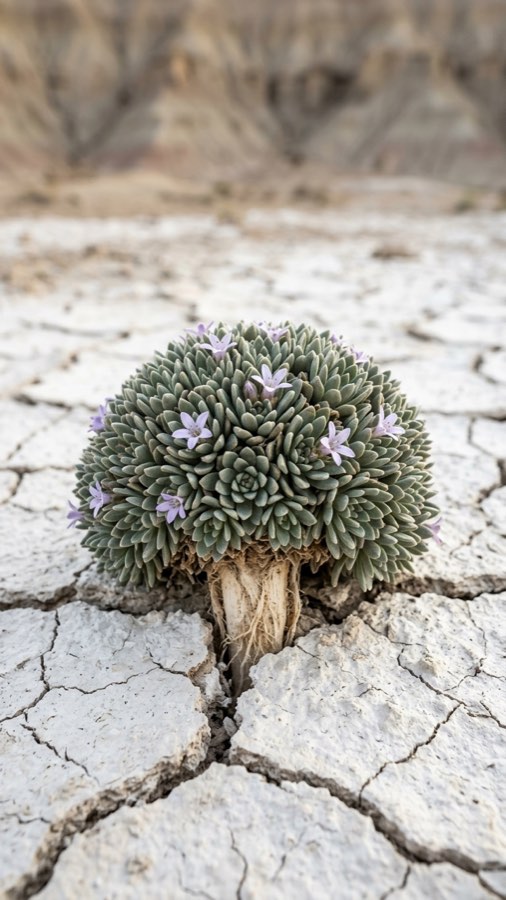
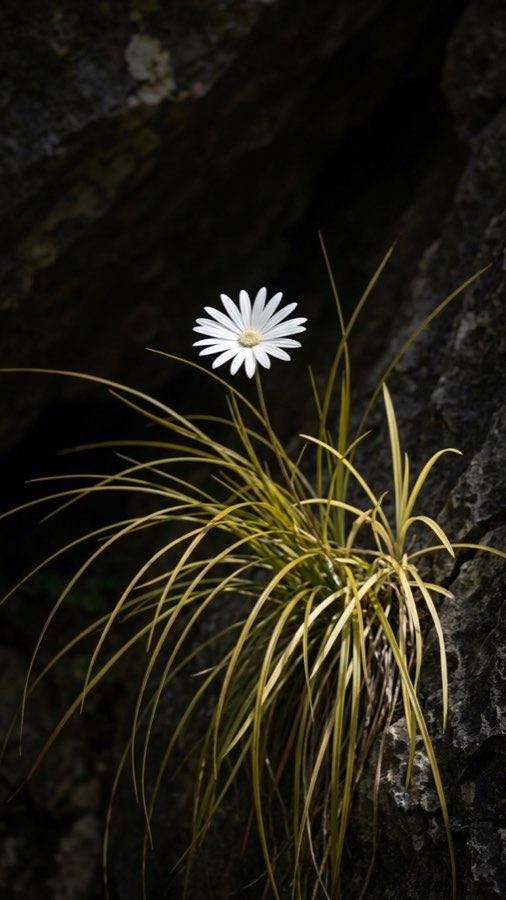
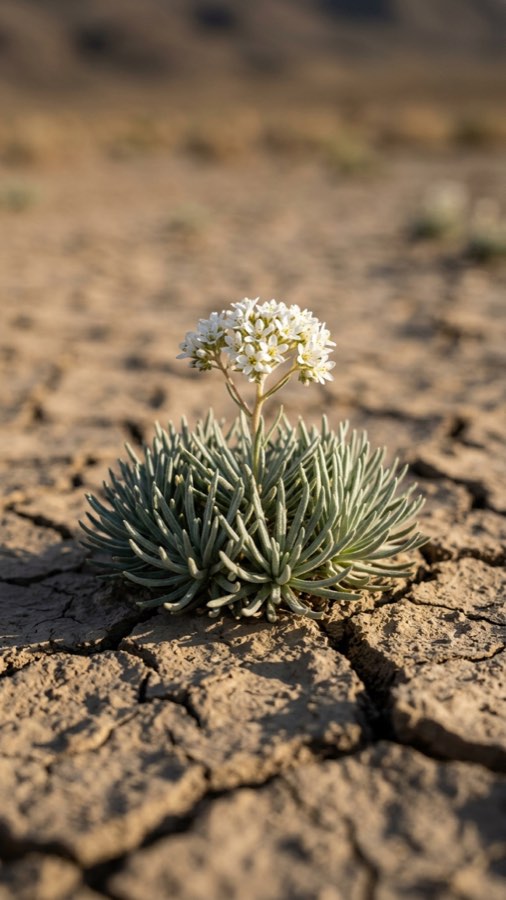
An annual 8–15 cm tall. When moist it spreads slender silver-green leaves in a radial pattern and blooms small white flowers. When it dries, the whole plant curls inward into a dead ball that rolls in the wind to carry its seeds, opening again when rain comes.
 PLATE I
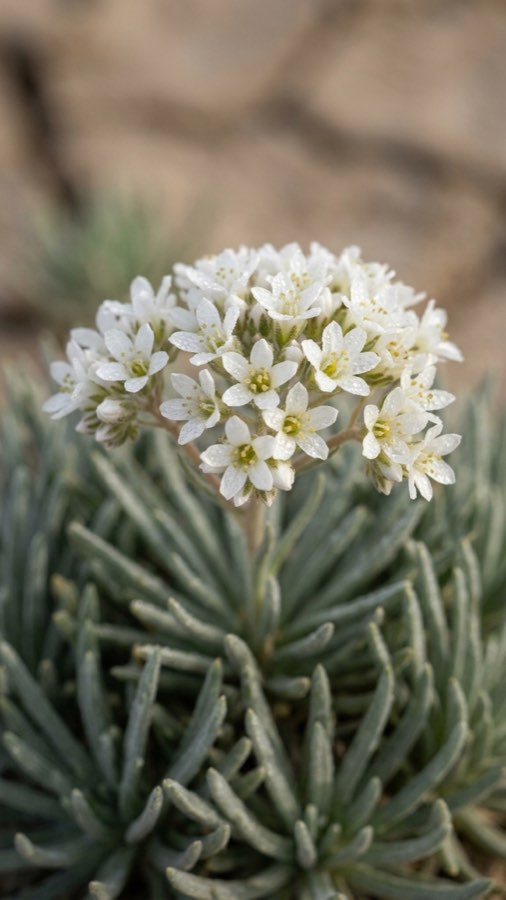 PLATE II
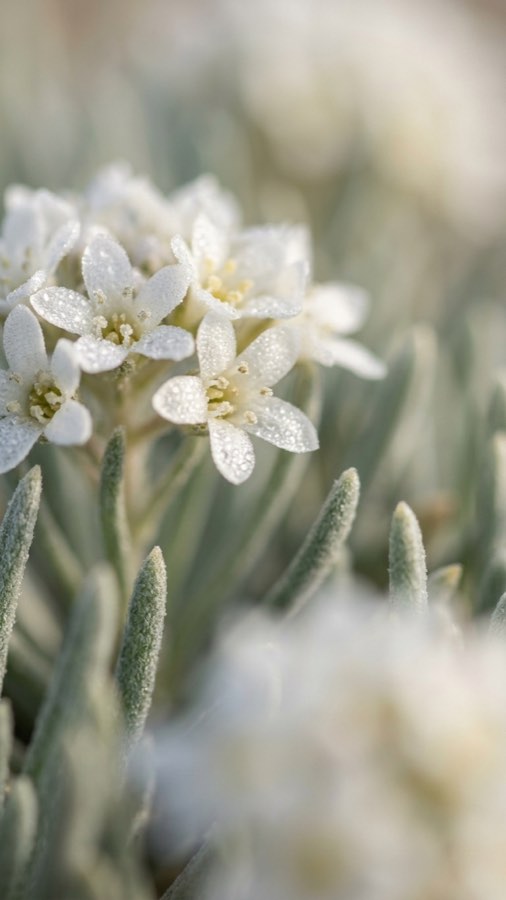 PLATE III
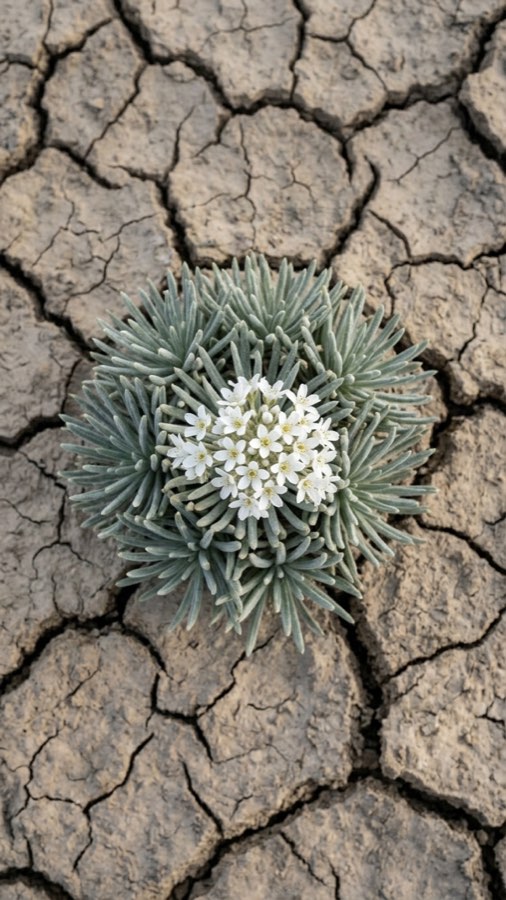 PLATE IV
 PLATE V
 PLATE VI
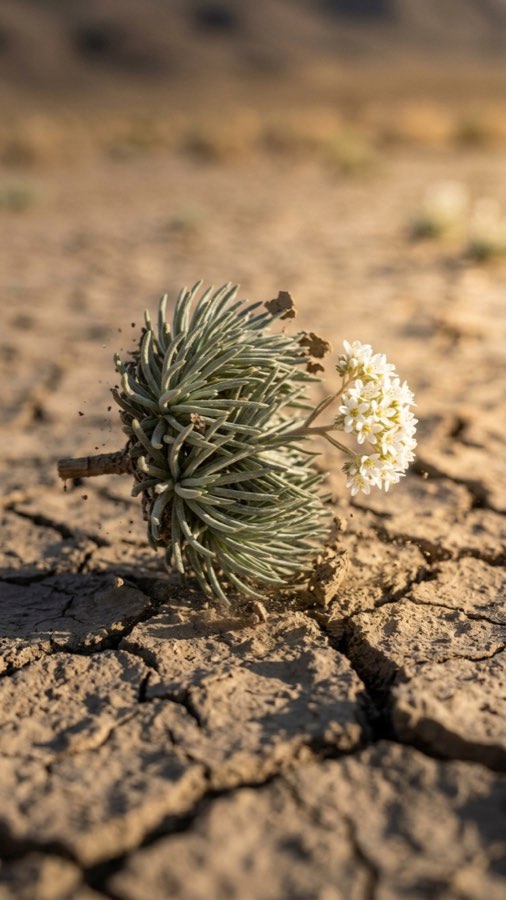 PLATE VIIPLATE VIII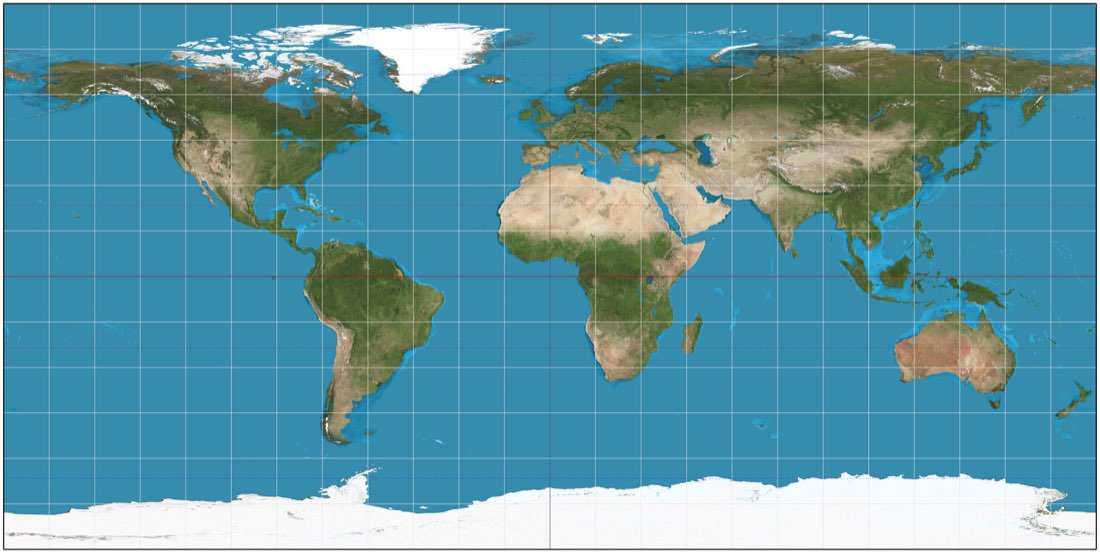
When it dies, it rolls away as if alive.
For it sleeps on, year after year, until the rain comes.
A Middle Eastern desert, the bed of a dried-up lake.
On the cracked mud, the Wandering Tumbleweed appears.
When moist, it spreads slender silver-green leaves in a fan.
At its centre, a small white flower opens.
The lake bed darkens again for only three to five days after hard rain. In that interval, Volvithamnus erraticus spreads its silver-green leaves close to the mud and loosens its white flowers before dawn. By afternoon the perianth collapses, and saline wind erases the evidence. If a collector arrives half a day late, what remains no longer looks like an unnamed herb, but like the dry branchwork of a familiar halophytic annual.
The flowers are inconspicuous, yet on nights after rain, minute dipterans emerging from cracks in the mud seem to visit the damp floral disc. In years when such visits fail, the anthers bend inward against the stigma while still enclosed, completing self-pollination. The colony therefore depends on insects, but not absolutely. The whiteness seen the next morning is less the beginning of reproduction than the last visible trace of an event already ending.
The dry ball is not a revived plant. Because the inner and outer tissues of the stems and fruiting branches shrink at different rates, the dead body coils inward like a spring. When moistened again, hygroscopic tissue slowly lengthens, the ball opens shallowly, and seeds fall onto the mud. This sequence, wind transport followed by rain-triggered loosening, probably explains the small arc-shaped colonies found along the lake-bed margin.