Specimen · N°006 · Desert · ▶ Film
Nebulanthus atacamensisFog Hourglass
In the driest desert on earth, a flower blooms for only minutes.
FOUND 24.5°S 70.4°W · Coastal terrace of the Atacama Desert · ✝ EX · Last seen 1979
In the driest desert on earth, a flower blooms for only minutes.
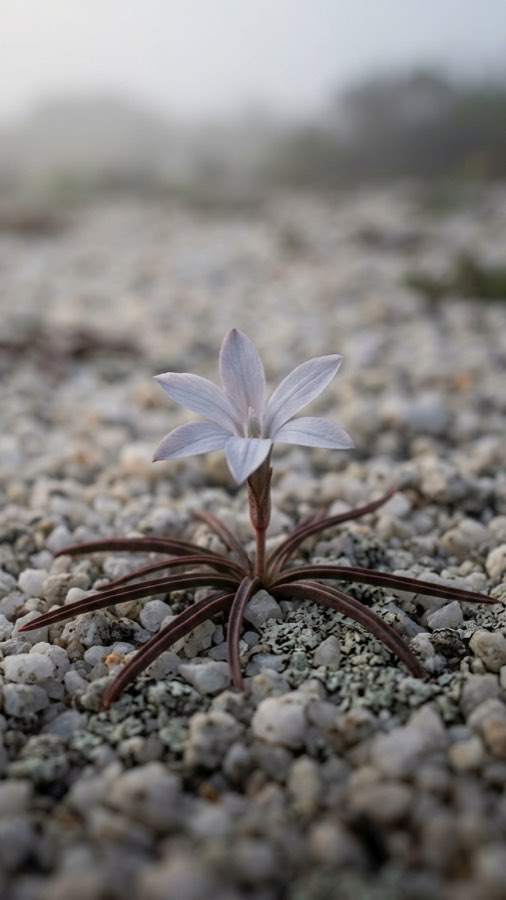
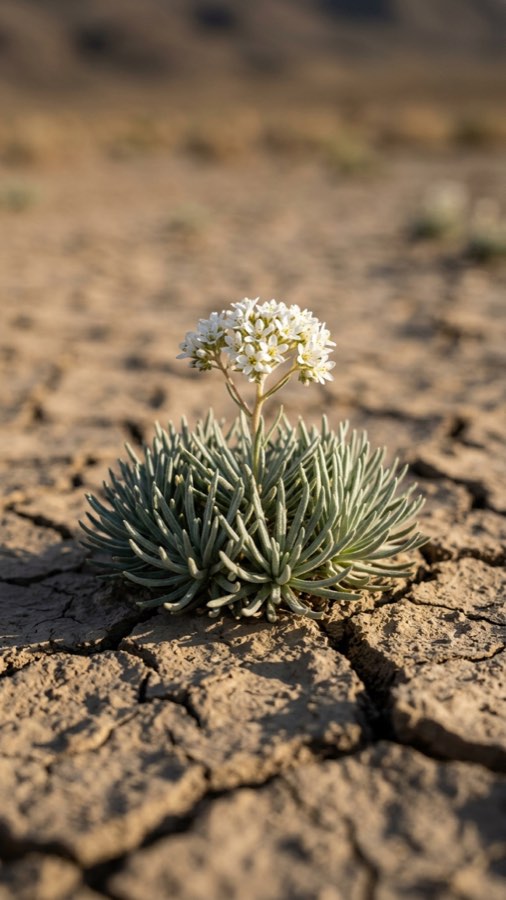
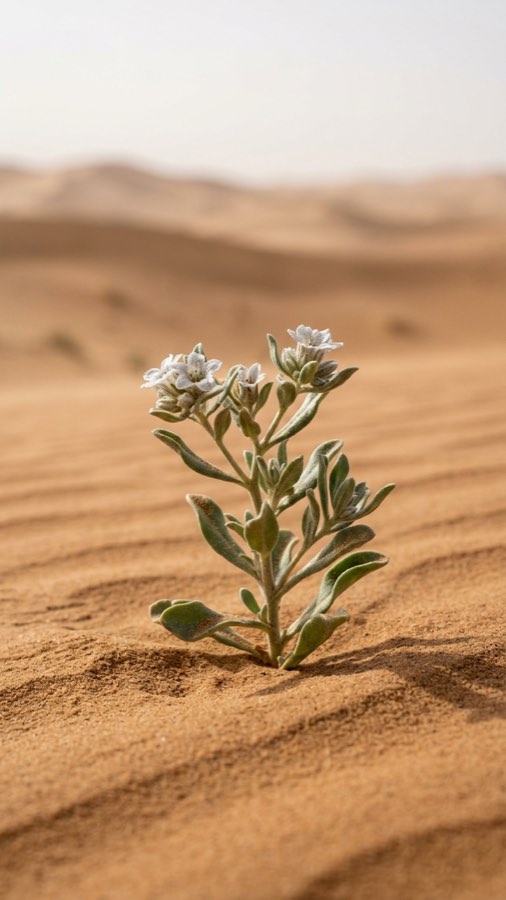
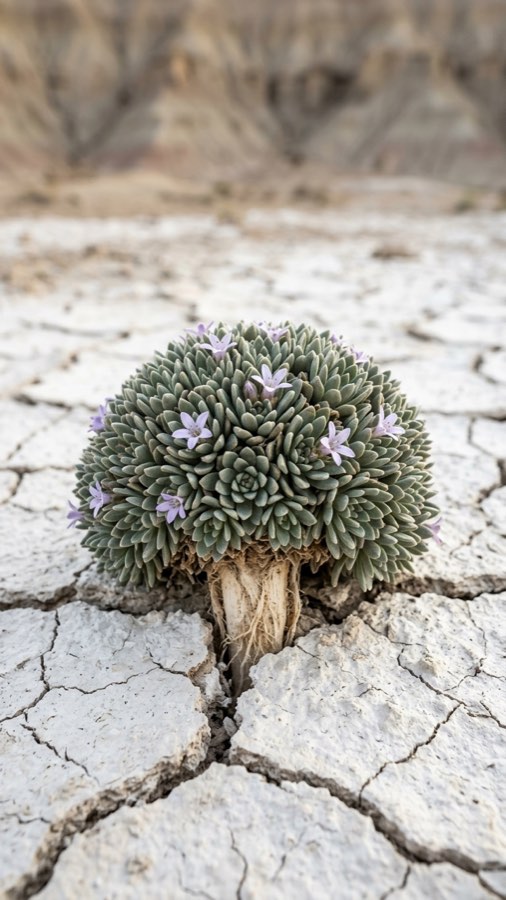
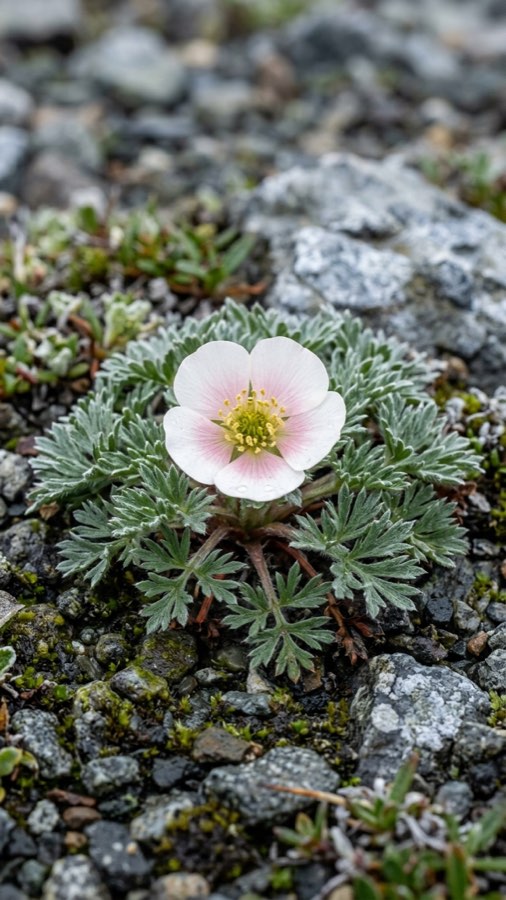
A cushion-forming perennial about 5–9 cm tall. Grey-green leaves covered in fine silver hairs spread low and dense over the ground. Each plant bears a single white saucer flushed with pink, which opens only for the few minutes the fog touches it and quietly closes when the fog leaves.
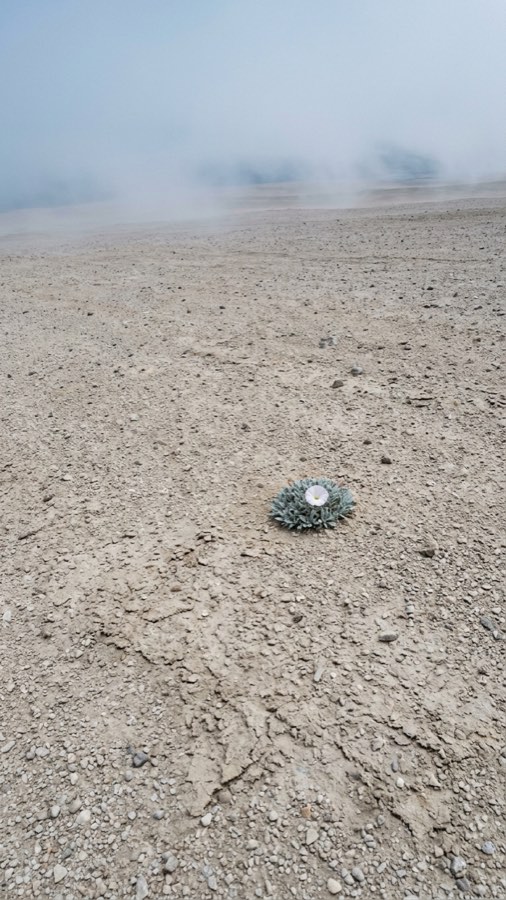 PLATE I
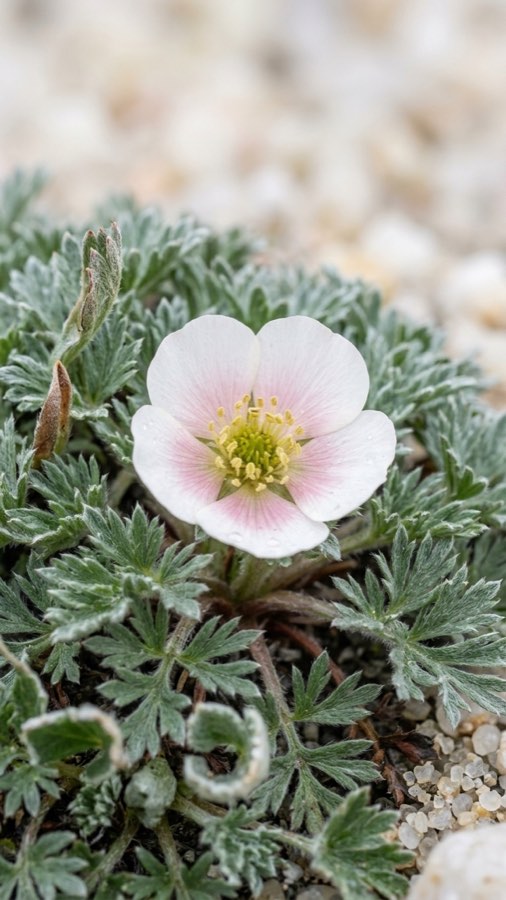 PLATE II
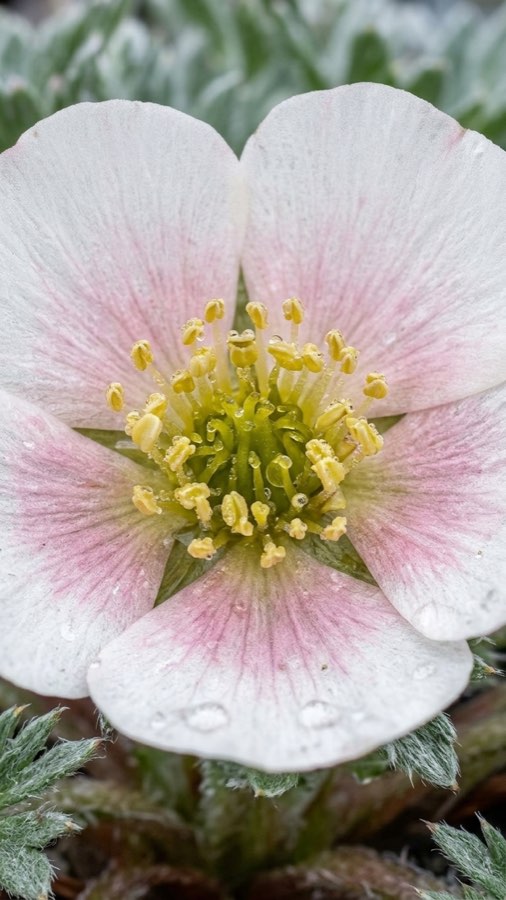 PLATE III
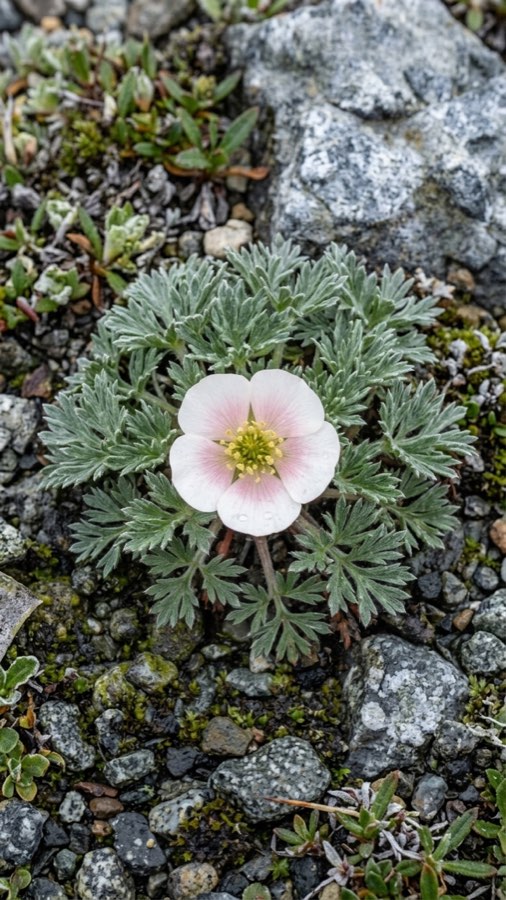 PLATE IV
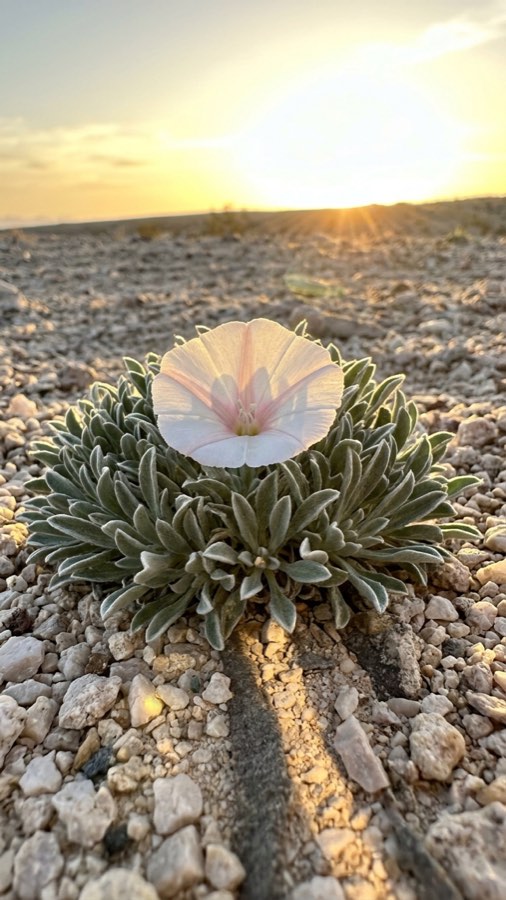 PLATE V
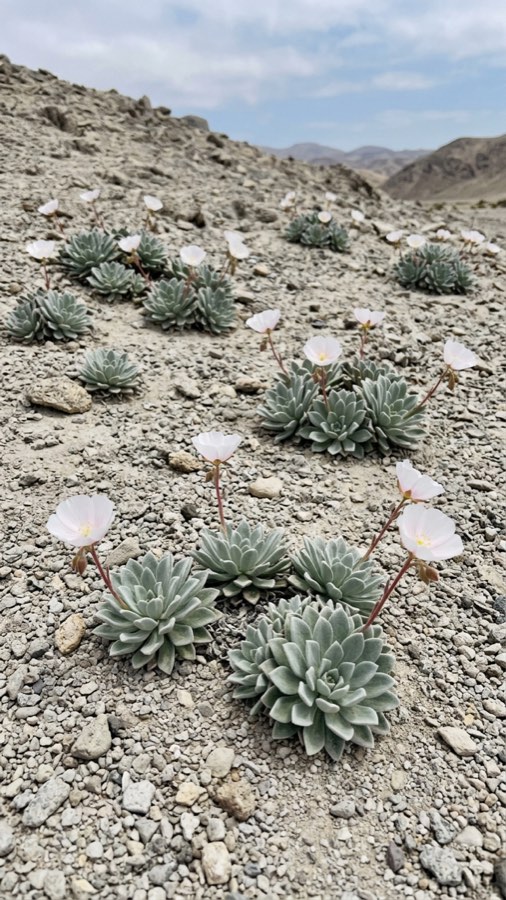 PLATE VI
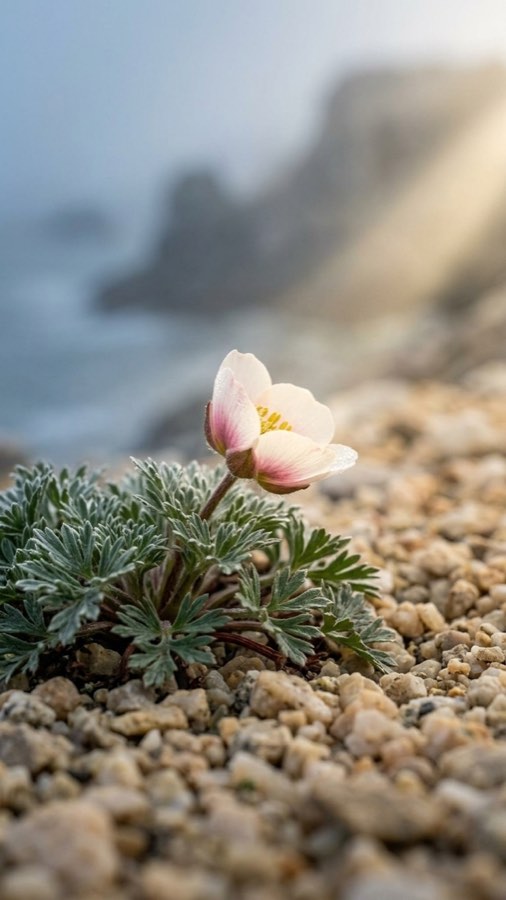 PLATE VIIPLATE VIII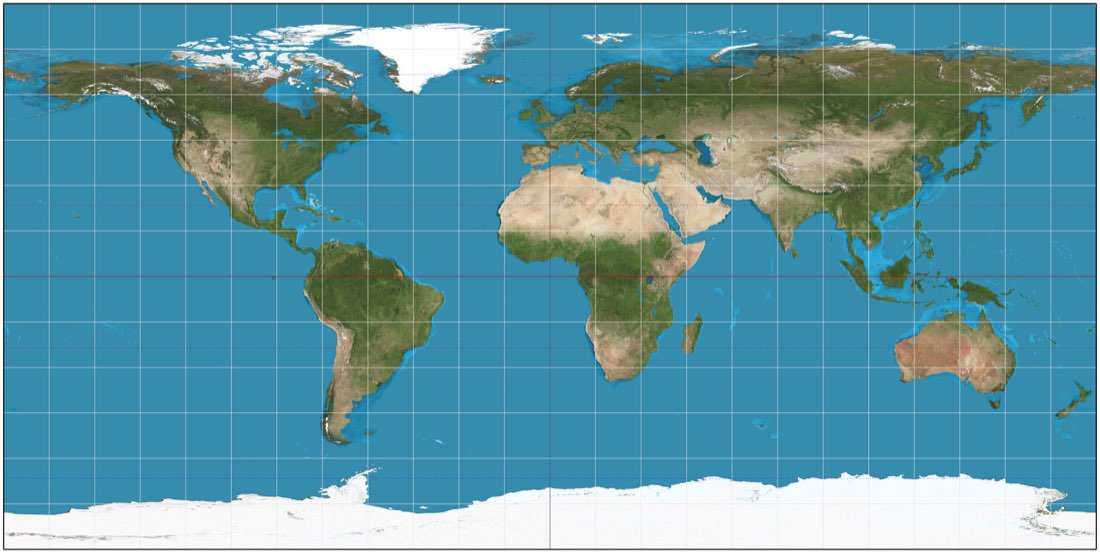
It blooms only the few minutes the fog passes.
Miss those minutes, and the flower has already closed.
The Atacama, the driest desert on earth.
On gravel touched by fog climbing from the sea, the Fog Hourglass appears.
Clad in fine silver hairs, it spreads over the ground like a low cushion.
When fog touches its leaves, a white saucer flower opens, flushed with pink.
When not in flower, the plant lies against the gravel as a pale gray fleck in the dry daylight, easily taken for a lecanoroid lichen or the dead core of a cushion plant. Its silvery hairs hold grains of sand and blur the outline. A collector who passes without waiting for fog would scarcely record a living perennial here.
Although anthesis lasts only for the few minutes in which the camanchaca wets the gravel, the anthers are pressed against the stigma as the corolla closes again. This is not a system waiting on insects, but a nearly closed form of self-pollination in which moisture loosens the pollen masses. After fruiting, the seeds become tacky in fog and lodge among stones near the parent, producing patchy colonies rather than broad dispersal.
The name “fog hourglass” appears to have persisted among coastal fishers and people moving stock through the mouths of valleys. They read no rain gauge; they read the thickness of dawn fog, the dampness of nets and blankets, and the duration of the small saucer-shaped flowers on the gravel. The saying that longer opening foretells a drier year is best understood as an empirical reading of delayed fog conditions.