Archive of Vanished Flora
Calling up the specimens…
First-frost Flower Pruinanthus alpinus
Specimen · N°008 · Ice · ▶ Film

Pruinanthus alpinus

It blooms just once a year, for only half a day.

FOUND 36.3°N 137.6°E · Alpine zone of the Japanese Alps  ·  ✝ EX · Last seen 1999

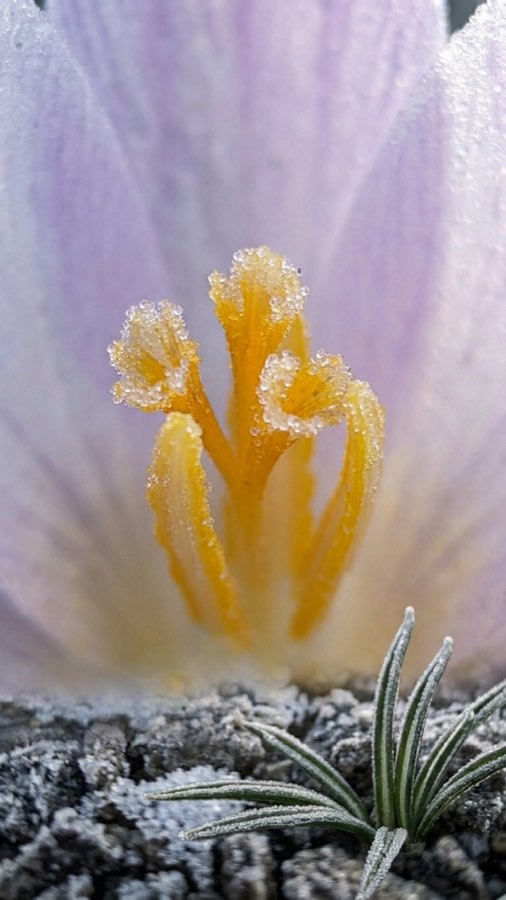
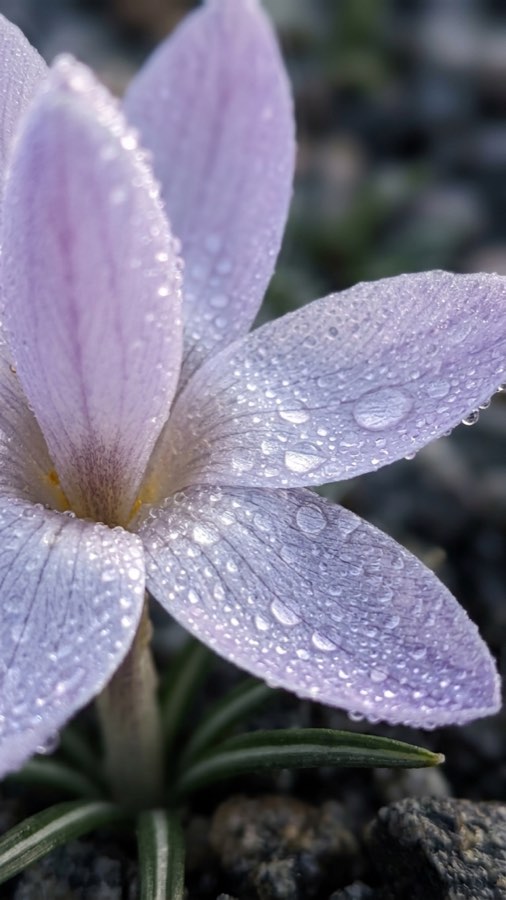
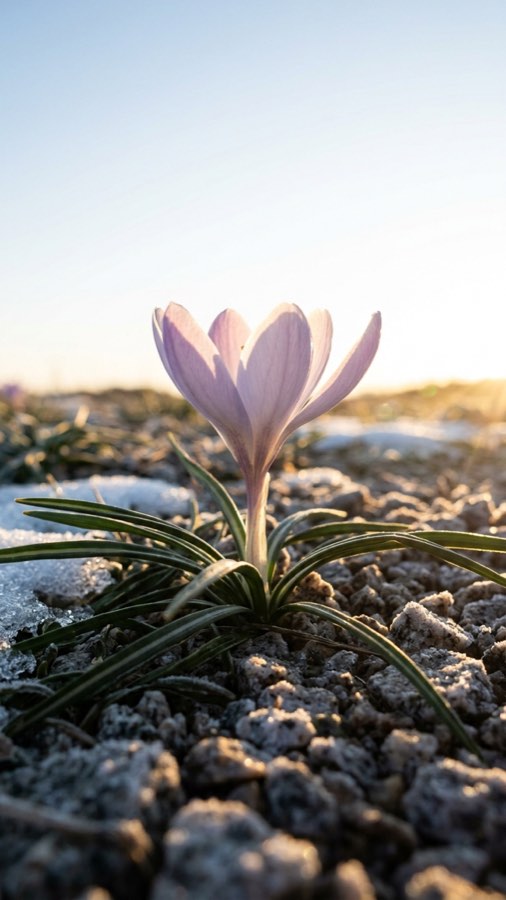
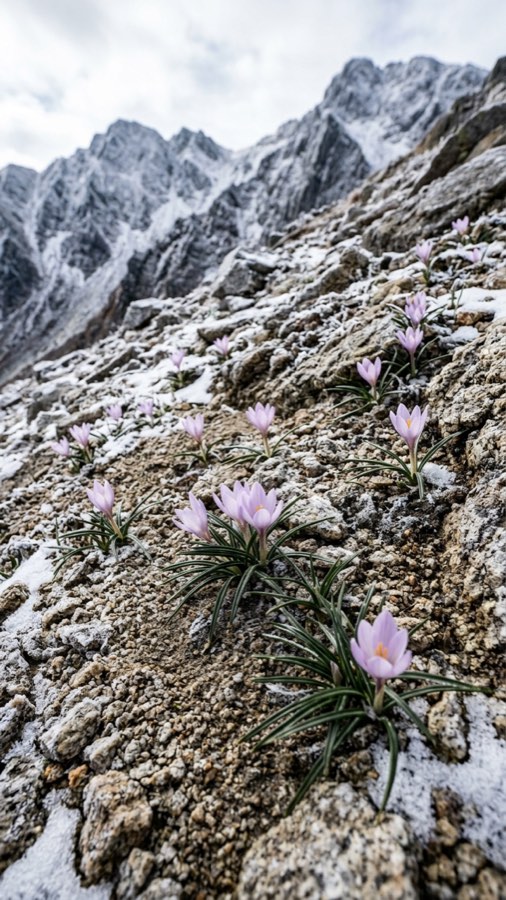
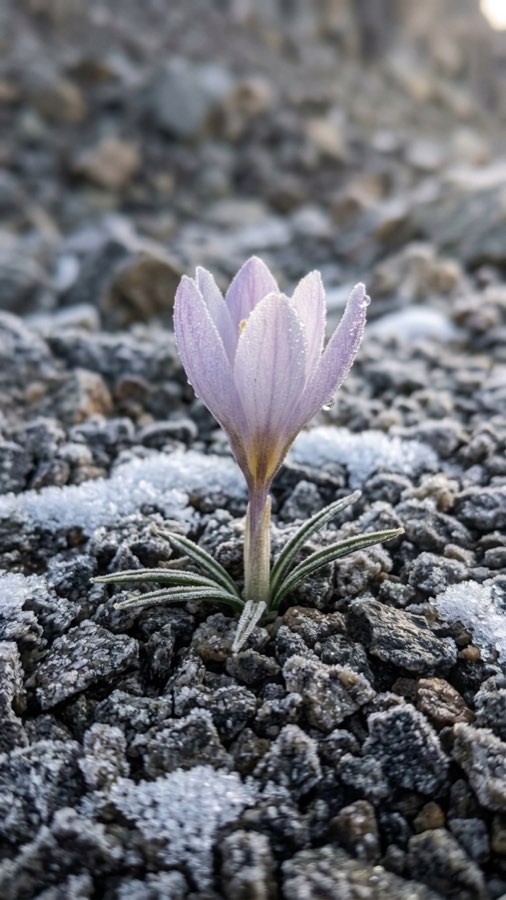
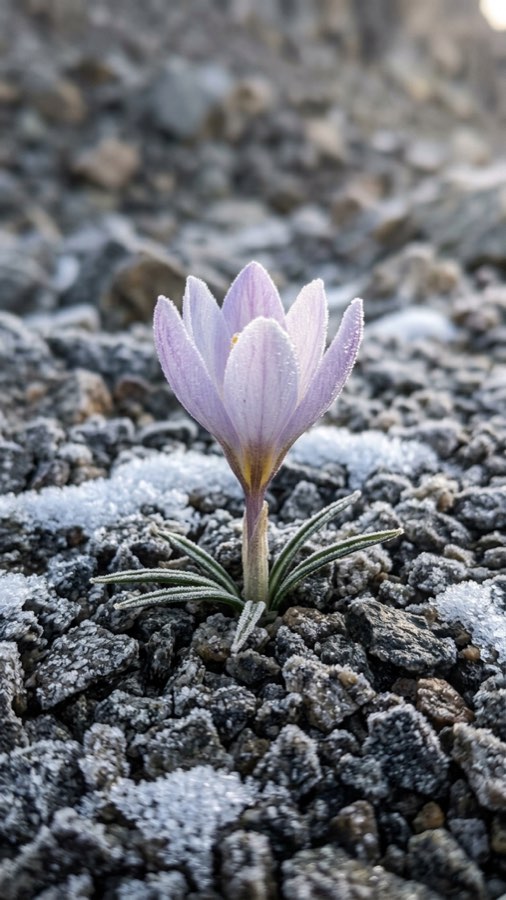
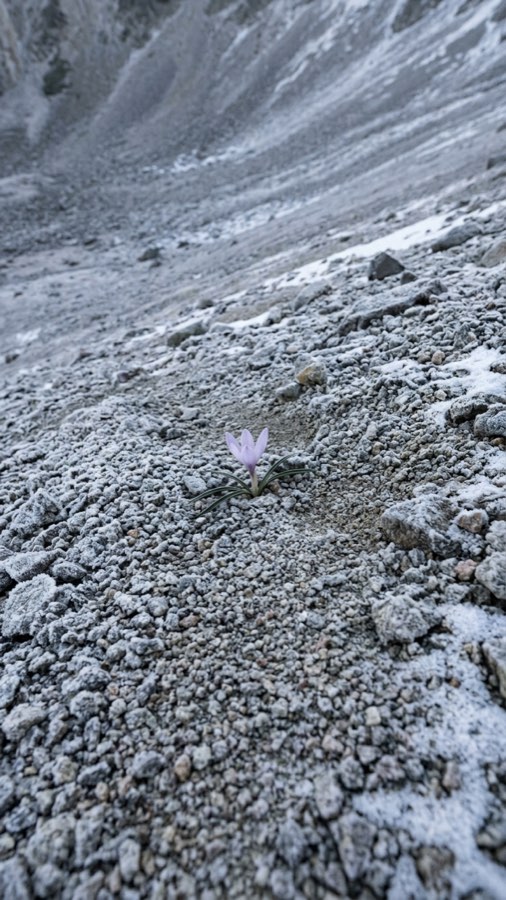
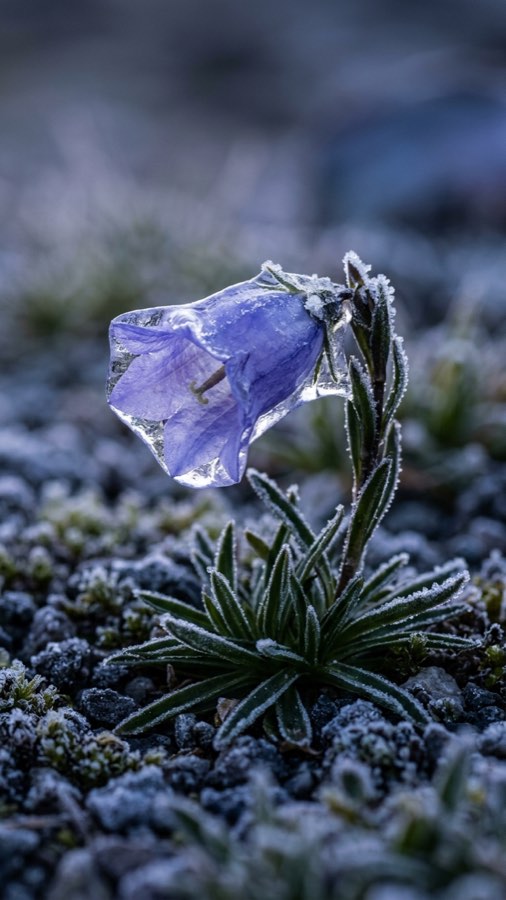
A small perennial about 6–10 cm tall. It lays dark-green slender leaves flat to the ground against the cold. The flowers are pale lilac and crocus-like, wilting by late morning as the frost melts. It opens for only half a day in the whole year.
01

Portrait

Vertical, as filmed / tap to play
FULL FILM · also on social

「Messenger of Frost」

This footage was made vertical (9:16) and is also published on social media. The archive keeps it in its original ratio.

9:16 VERTICALFULL EDITSOUND ON
Narration
0:00 / --:--
02

Specimen Plates

8 plates · hover to enlarge
First-frost Flower plate 1PLATE I
First-frost Flower plate 2PLATE II
First-frost Flower plate 3PLATE III
First-frost Flower plate 4PLATE IV
First-frost Flower plate 5PLATE V
First-frost Flower plate 6PLATE VI
First-frost Flower plate 7PLATE VII
First-frost Flower plate 8PLATE VIII
ARCHIVAL PRINTThis specimen is available as a printable plate: Illustrated edition — Etsy ↗ · Photographic edition — Etsy ↗
03

Field Note

Habitat
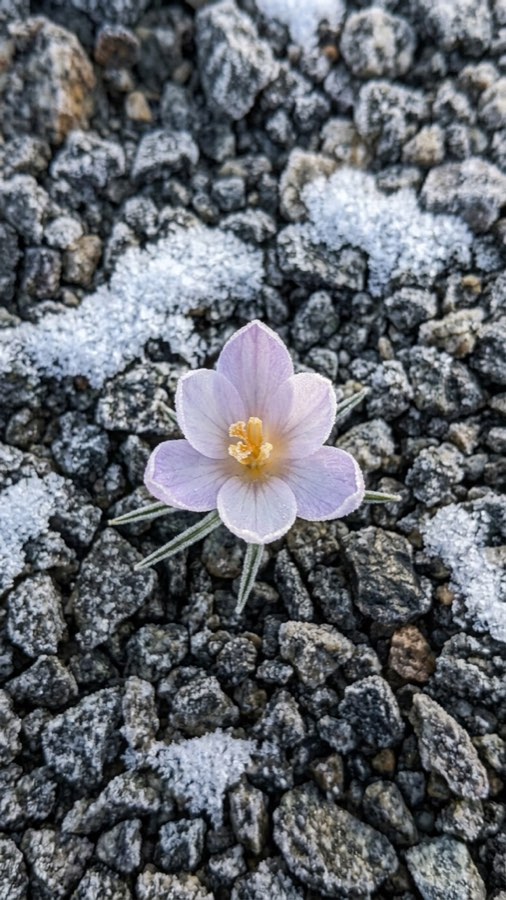
Alpine zone of the Japanese Alps. In autumn it appears on granite gravel only the morning after the first frost.
Local name
Messenger of Frost
Folklore
Locally, the morning it blooms was said to bring the year's first true cold.
04

Locator

Coordinates
36.3°N 137.6°E
Alpine zone of the Japanese Alps
05

Record

It blooms only the morning after the first frost.

And so it can be seen but once a year.

The alpine gravel of the Japanese Alps.

In autumn, the morning after the first frost, the First-frost Flower appears.

Its slender dark-green leaves lie flat to the ground against the cold.

From among frost-wet gravel, a pale lilac flower quietly rises.

MoreFull specimen data — classification, scientific name, etymology
06

Classification

Classification & specimen data
Scientific name
Pruinanthus alpinus  C. Iwabuchi, 1996
Taxonomy
Plantae › Angiosperms › Dicotyledons › PruinanthalesPruinanthaceaePruinanthus › alpinus
Voucher
AVF-008 · Holotype
Archive of Vanished Flora (AVF)
Conservation
✝ EX — Extinct Last seen 1999
Collector
E. Mori
1996-09-03
Synonym
Pruinopsis alpinus A. Reinholt, 1994
Protologue (Latin)
Herba parva rosulata, foliis crassis glaberrimis, floribus parvis stellatis. Typus: Alpine zone of the Japanese Alps. Species iam extincta.
Discovered / Described
1996 / 1996
Height
6〜10cm
Life form
Perennial herb
Phyllotaxy
Alternate
Chromosome
2n = 30
Flowering
Half a day after the first frost
Pollination
Small flies and wasps
Substrate · pH
Gravelly, near-neutral
Elevation
2,400〜3,000 m
07

Etymology

Etymology of the name
PruinanthusGENUS
pruinfrost
anthflower
alpinusEPITHET
alpinalpine

Addenda

later field notes
2026-06-24 · Synchronized Bloom After First Frost

At 6:20 a.m. I found flowers only where the frost still stood as needles on the granite gravel. The perianth opened low, and the anthers split as thawing droplets reached them. Pollinators can scarcely be relied upon; the stigma sits where it can receive its own pollen. In clear years a few small flies remain active, but they appear only to assist occasional crossing.

2026-06-24 · Seeds Sinking Between Stones

Remains of last year’s capsules were most frequent in crevices a few centimeters from the parent plants. The seeds do not travel far; each day’s collapse of frost-lifted grit seems to pass them gradually downward. If the plant has abandoned long-distance dispersal on these windy ridges and uses freeze-thaw itself as a burial mechanism, its patchy colonies become easier to understand.

2026-06-24 · Those Who Remembered the Frost Messenger

Older notes preserving this name come almost entirely from hunters and hut keepers. The flower was not treated as an omen of fortune, but as a sign that ridge-line water sources had begun to freeze. Decisions about carrying firewood, bringing grazing animals down, or closing ascetic routes needed an early-morning marker more immediate than a thermometer. That is why a flower gone by noon was remembered.
08

Related

Specimens of the same habitat
⟵ THE WORLD ATLAS
日本語