Specimen · N°066 · 土 · ▶ Film
Clepsydendron ventricosumHourglass Bottle Tree
この幹の太さだけが、最後のRainからの月数を示します。
FOUND 23.5°S 22.0°E · アフリカ南部、季節ごとに乾ききる半乾燥のサバンナ · ✝ EX · Last seen 1963
この幹の太さだけが、最後のRainからの月数を示します。
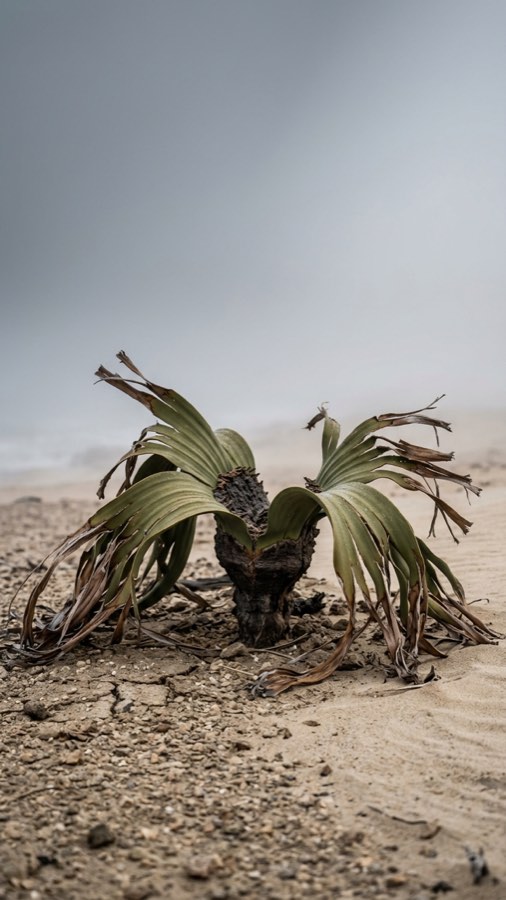
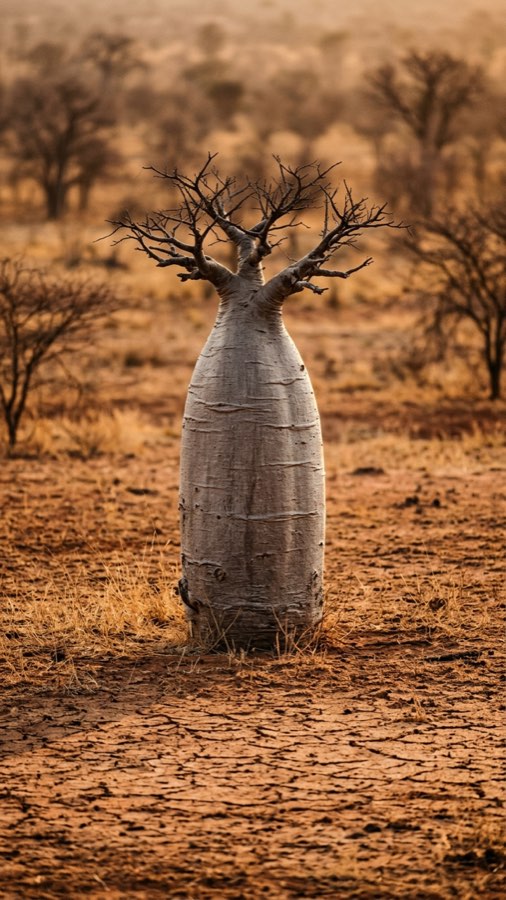
Hourglass Bottle Treeは、乾いたサバンナに点々と立つ高木。太く膨らんだ徳利型の幹に対して、梢は驚くほど疎らで、数本の裸枝が空へ伸びるだけだ。幹の内部はSea綿状のやわらかい木質でできていて、Rain季に吸い上げたWaterをたっぷり蓄える。バオバブやパキポディウムと同じく、この貯Waterした肥大幹はWaterの出し入れで膨らんだり縮んだりする。乾季が進むほど樹は蓄えたWaterを使い、幹はまわりから目に見えて痩せていく。滑らかな樹皮には、Waterが抜けるにつれて横じわのたるみが少しずつ刻まれ、胴回りの太さがそのまま最後のRainから経った月数を映す。太い胴はまだWaterが残る証、細く締まった胴は渇きの深さを示す。Rainが戻れば、幹はふたたび静かに膨らみ、しわは伸びて消えていく。
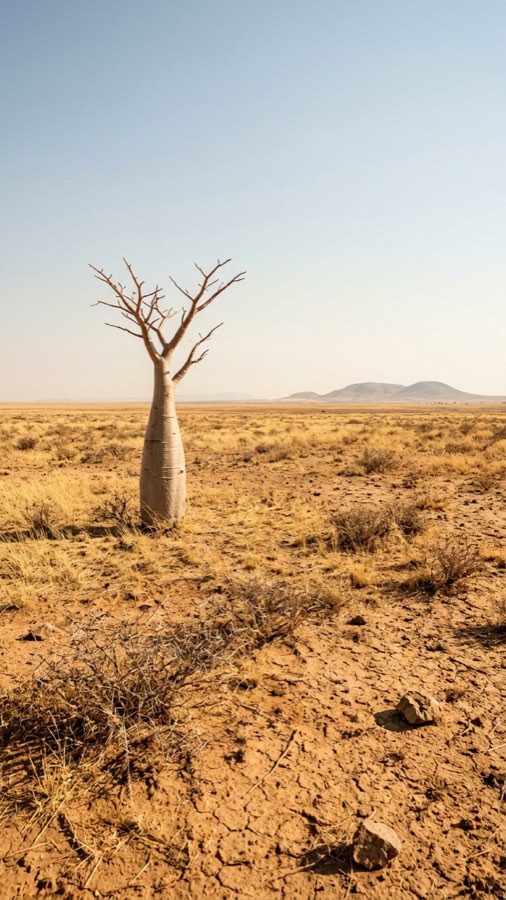 PLATE I
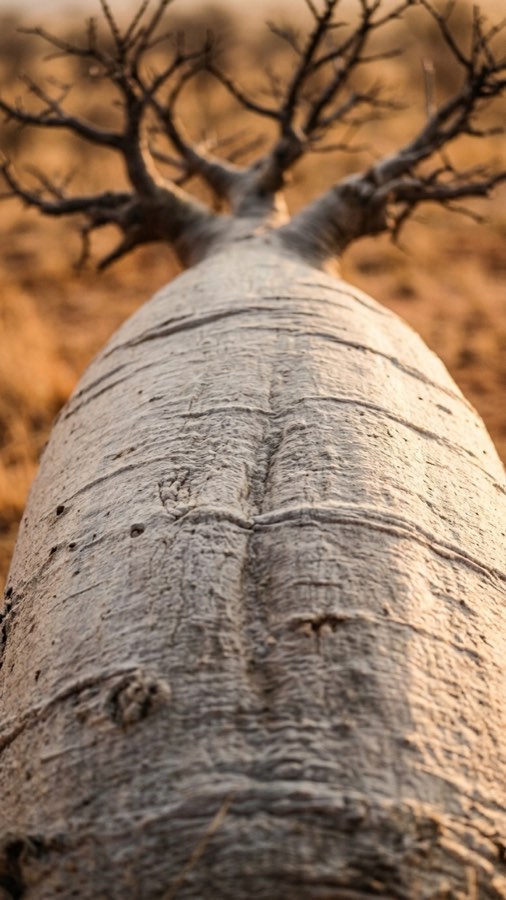 PLATE II
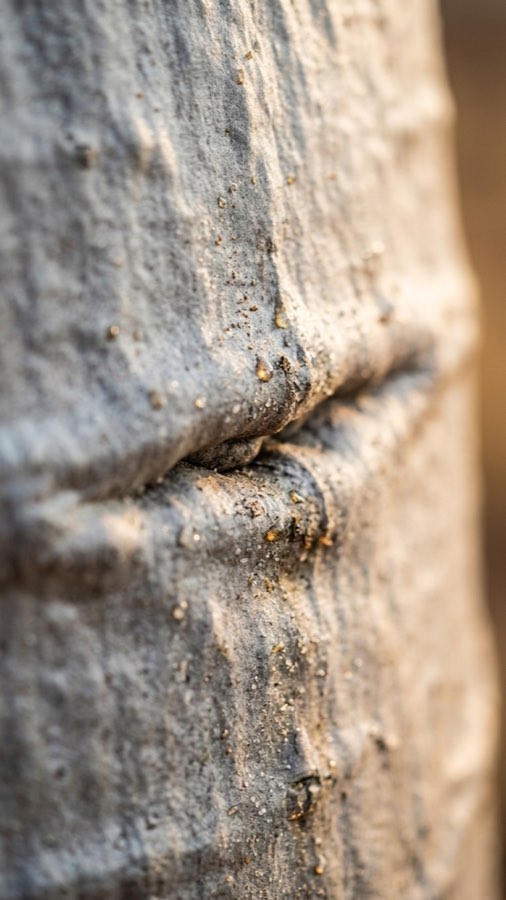 PLATE III
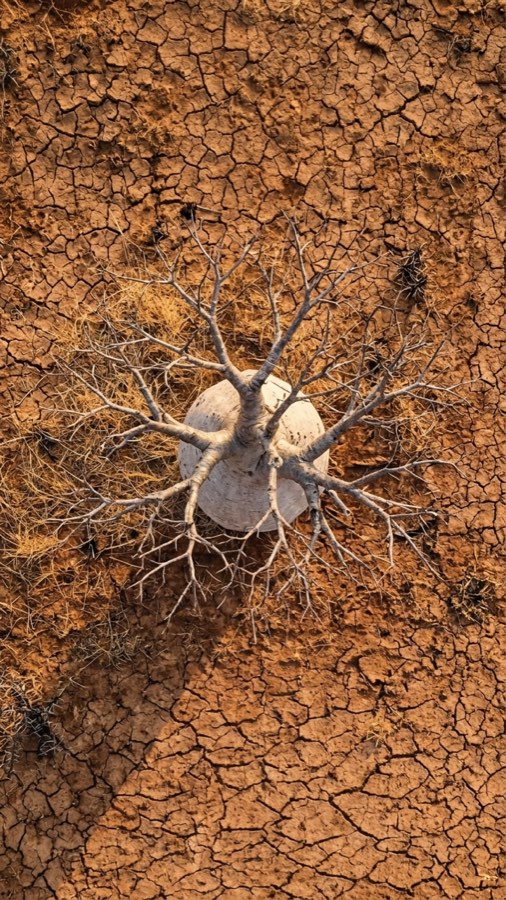 PLATE IV
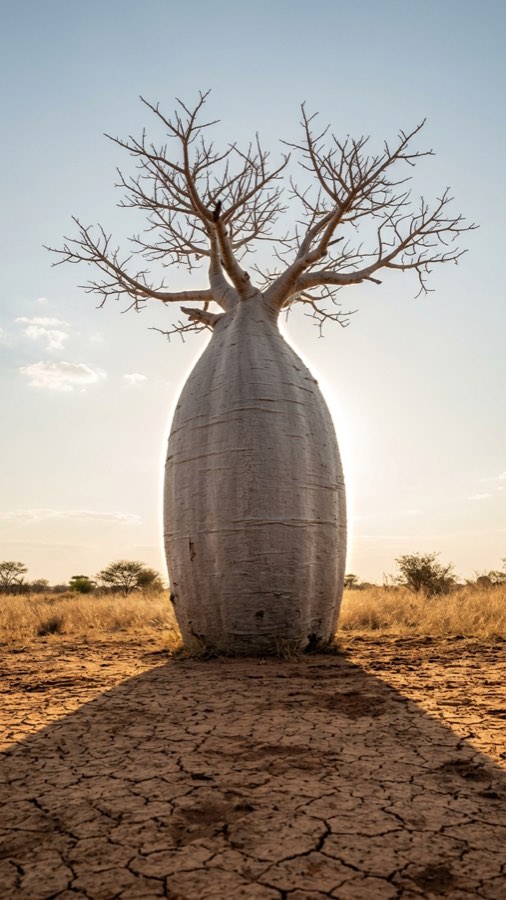 PLATE V
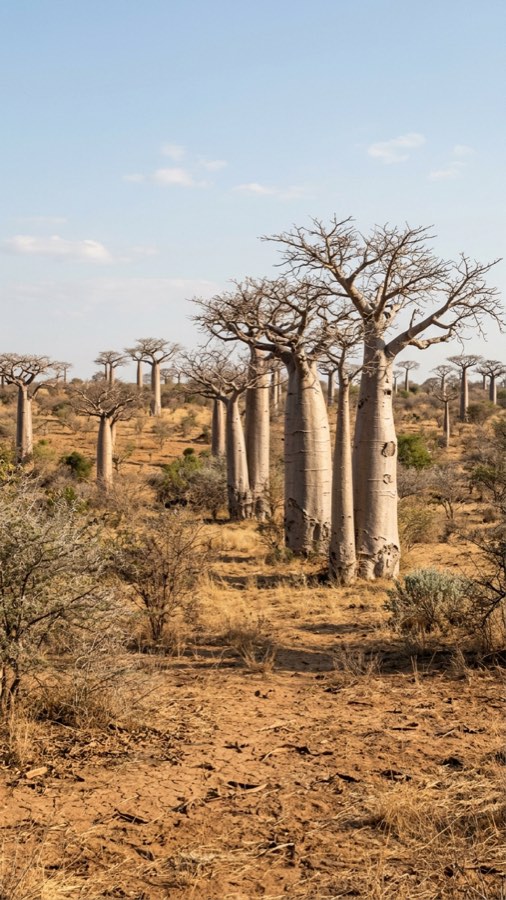 PLATE VI
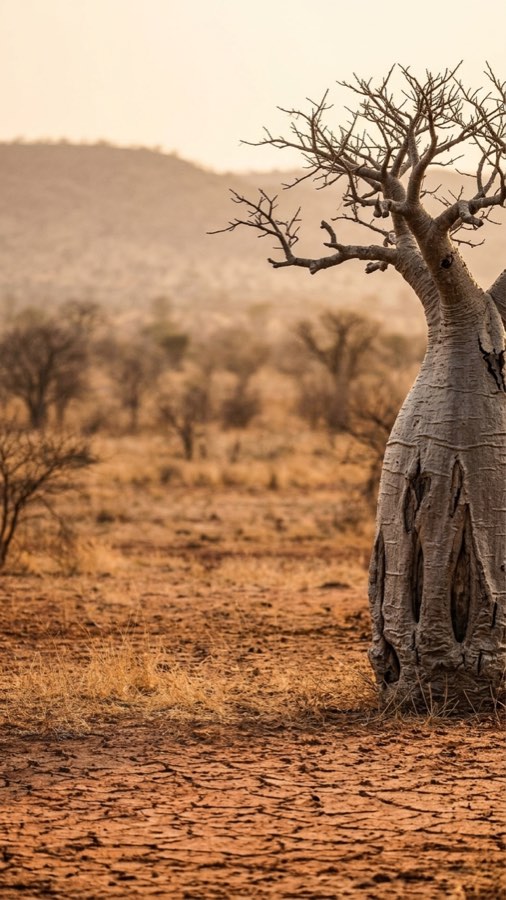 PLATE VIIPLATE VIII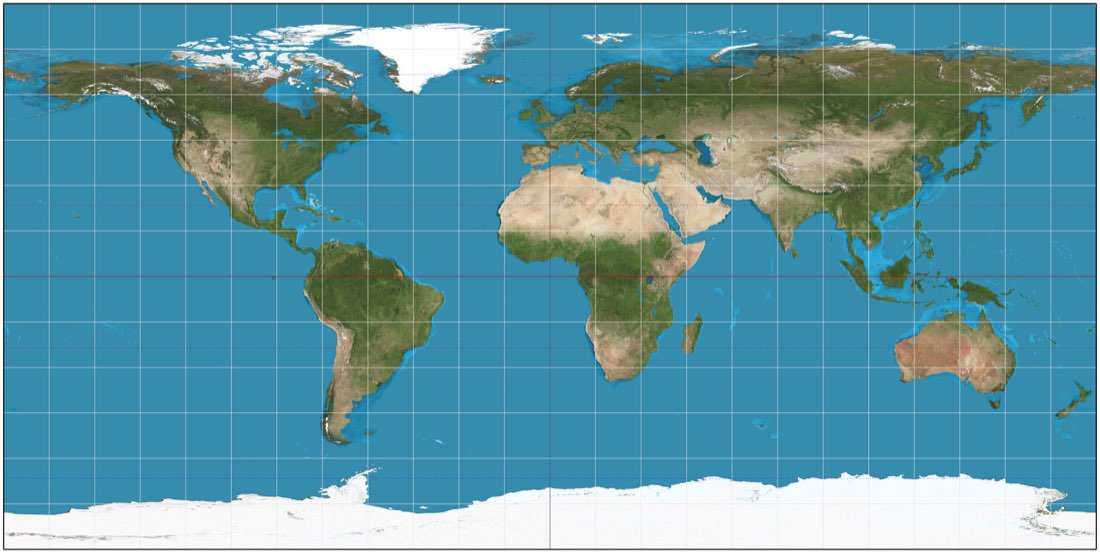
この幹の太さだけが、最後のRainからの月数を示します。
乾季のあいだ、樹はためたWaterを少しずつ使い、そのぶん幹が痩せていくからです。
アフリカ南部、季節ごとに乾ききるサバンナ。
徳利のように膨らんだ胴に、Rain季のWaterをたっぷり蓄えます。
日照りが続くほどWaterは減り、滑らかな樹皮に横じわのたるみが増えていきます。
胴が太ければまだWaterは残り、細く締まっていれば、次のRainは遠い。
On the morning after rain, brushing dust from the fissures at the plant’s base revealed no sign that old roots had travelled. Instead, white absorptive roots had sprung at once from the sides of dormant storage roots. They followed the small voids opened by dissolving gypsum, and within two days their tips had browned. The plant does not walk through the hill; it measures brief moisture with expendable roots.
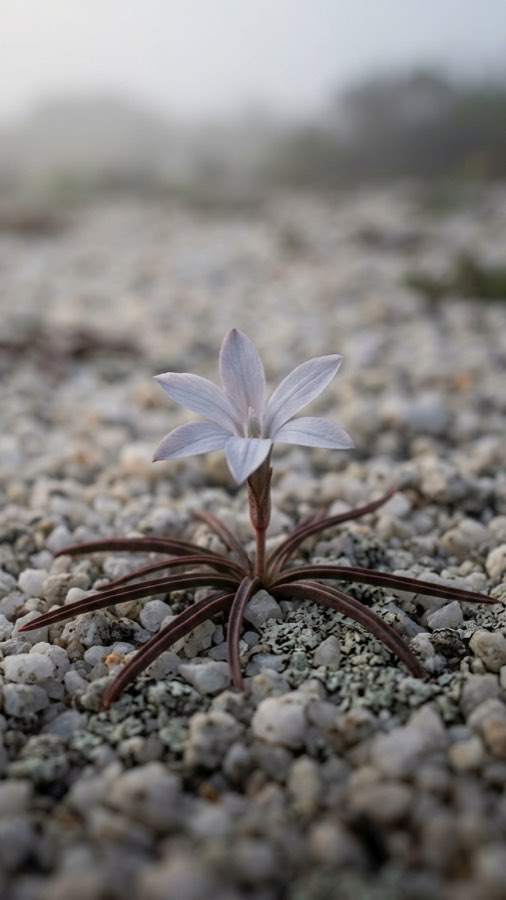
Flowering is confined to cool mornings while the slope still holds moisture. Small ground-nesting bees briefly visit the reddish floor of the cup-shaped flower. In windy years the anthers remain nearly closed and touch the stigma, producing fruit by a near-cleistogamous route. The fruit does not scatter; when dry, it drops only two or three heavy seeds into cracks at the parent’s base, explaining the loose, dotted colonies.
Pastoralists along the old salt routes are said to keep goats off slopes where this flower deepens in color after rain. Even when the surface looks firm, thin plates of gypsum may be loosened beneath it and collapse under hooves. The name “flower that reweaves its roots” seems to have marked not only the plant, but also the need to choose a new way toward water after rain.