Specimen · N°060 · Mist · ▶ Film
Horologanthus cyclostephanusClockwork Passion-vine
このflowerがOpenのは、一生に一度だけです。
FOUND 13.1°S 71.6°W · 南米アンデス東斜面のcloudMist林、標高約1800m · ✝ EX · Last seen 2019
このflowerがOpenのは、一生に一度だけです。
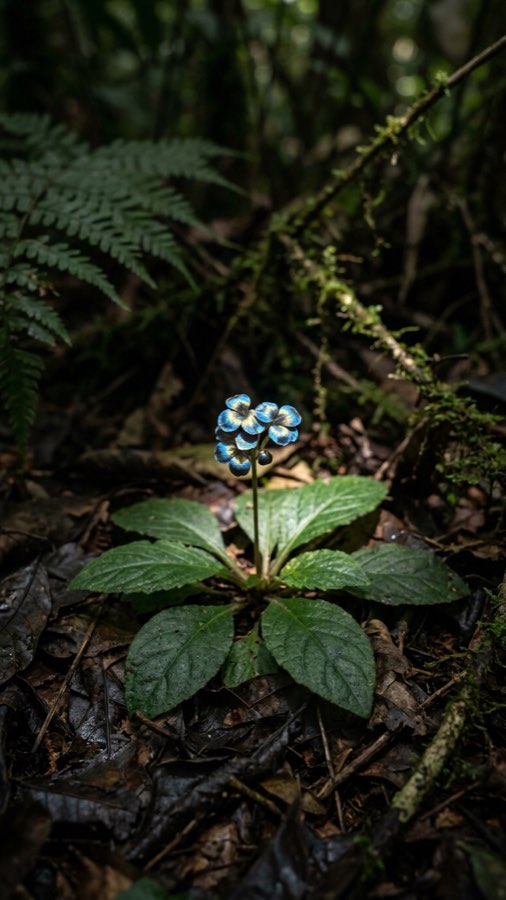
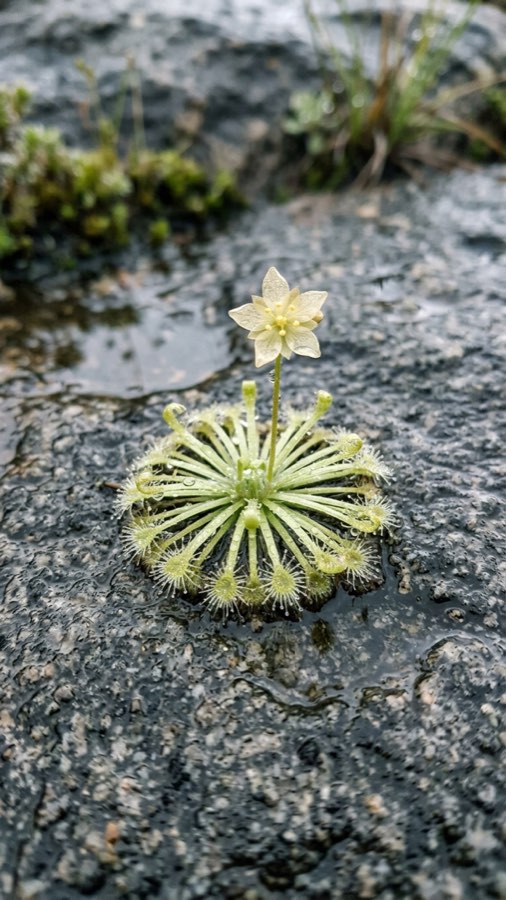
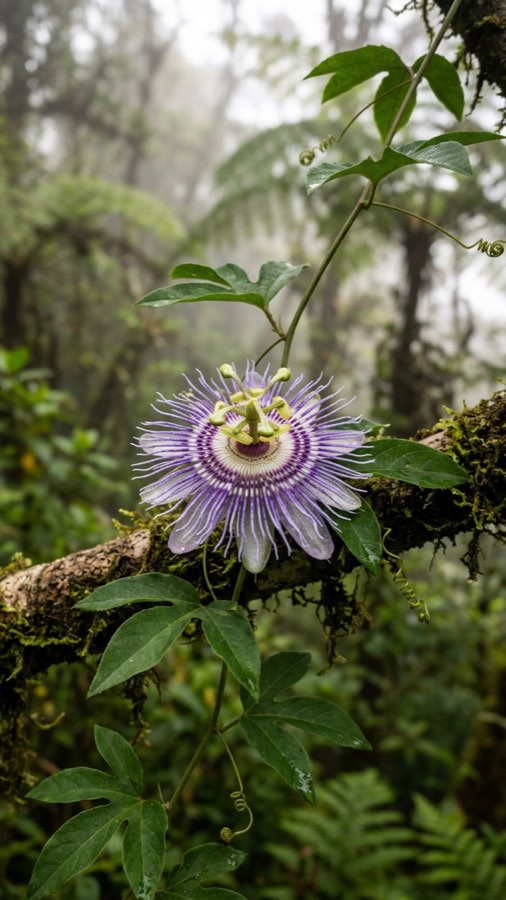
Clockwork Passion-vineは、Cloud forest of the Andesで苔むした木々をよじ登るつるplant。巻きひげは枝に触れた側だけが縮んで巻きつき、体を持ち上げていく。つるの先に、手のひらほどの放射状の大輪をひとつ掲げる。flowerの中心では、糸状の副flower冠が幾重もの環をなして重なり、朝のlightと気温の上昇に合わせて外側の環から順にOpen。その動きが、歯車が噛み合う時計のように見える。副flower冠は蜜のありかを虫に示す道しるべで、環が開ききるとflowerは受粉を待つ。虫がflower粉を運んだ瞬間、flowerは老化を促すエチレンを出し、いちばん内側の環をゆっくりClose。役目を終えたflowerは、日暮れまでにしぼんで落ちる。受粉しなくてもflowerが開いていられるのは一日だけ。だからこのflowerに、二度目の朝はない。
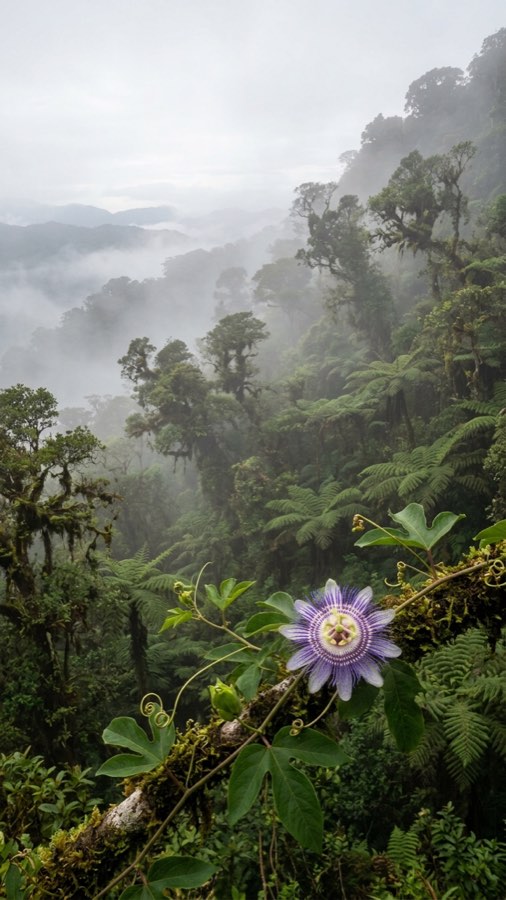 PLATE I
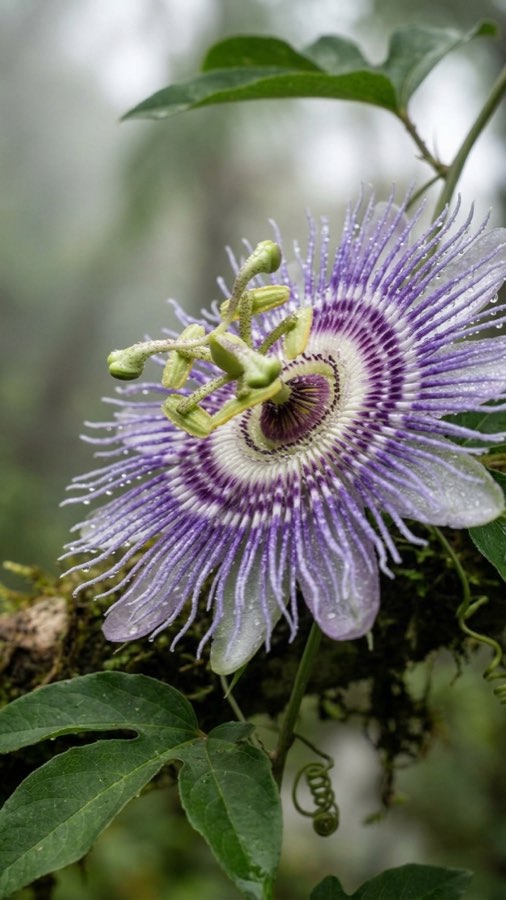 PLATE II
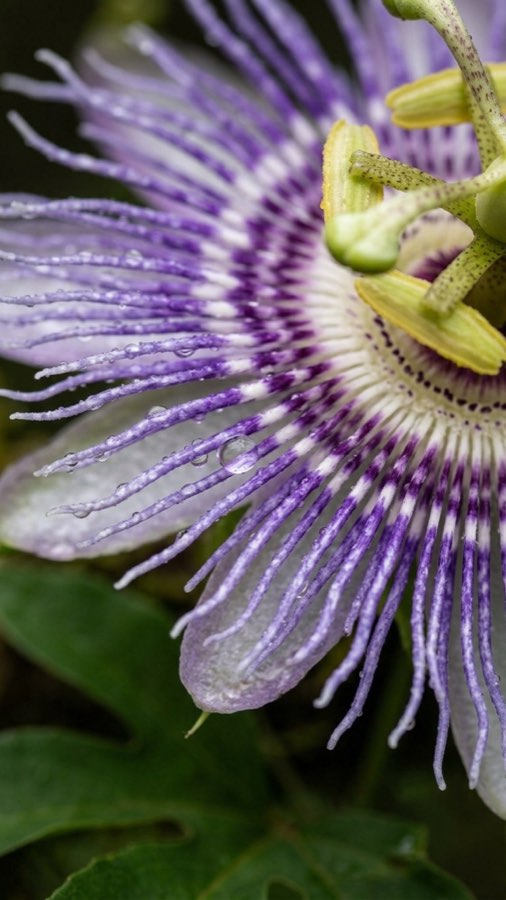 PLATE III
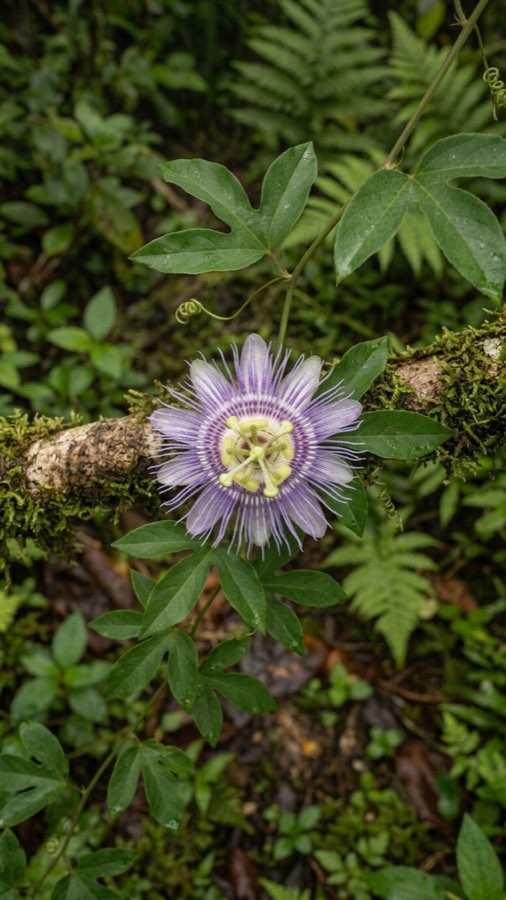 PLATE IV
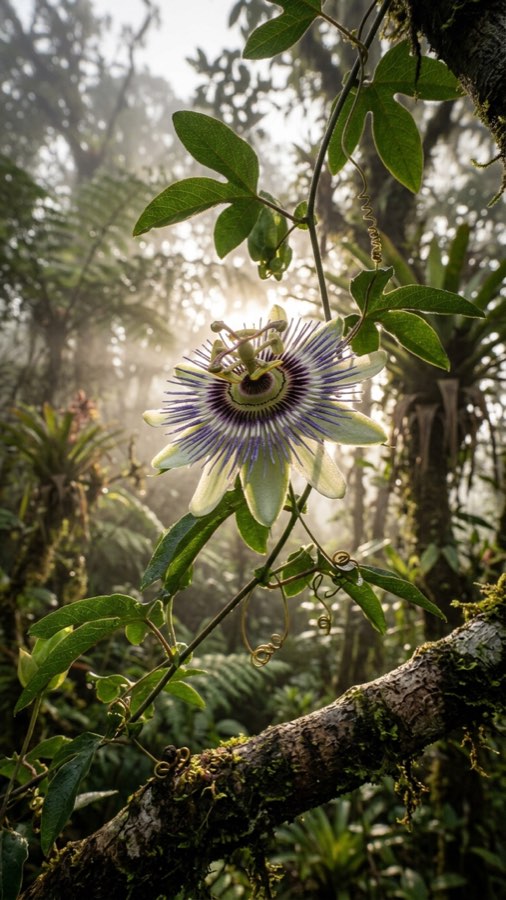 PLATE V
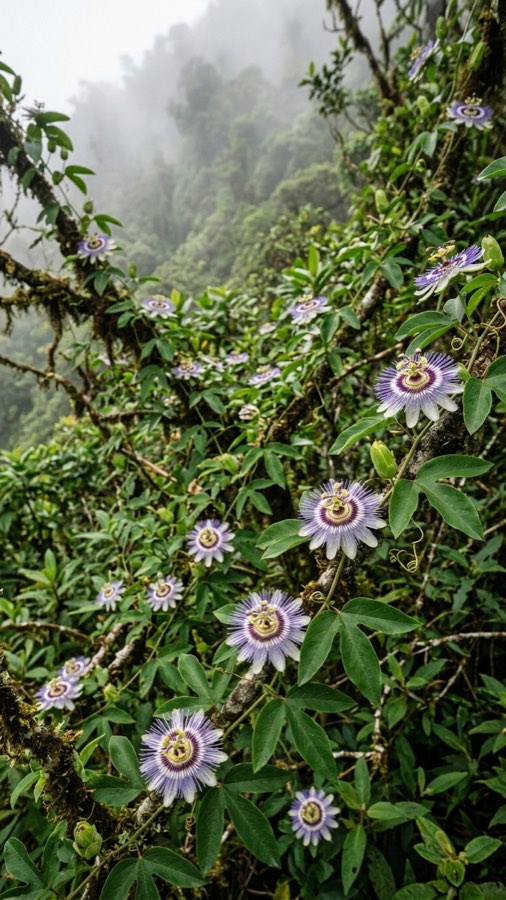 PLATE VI
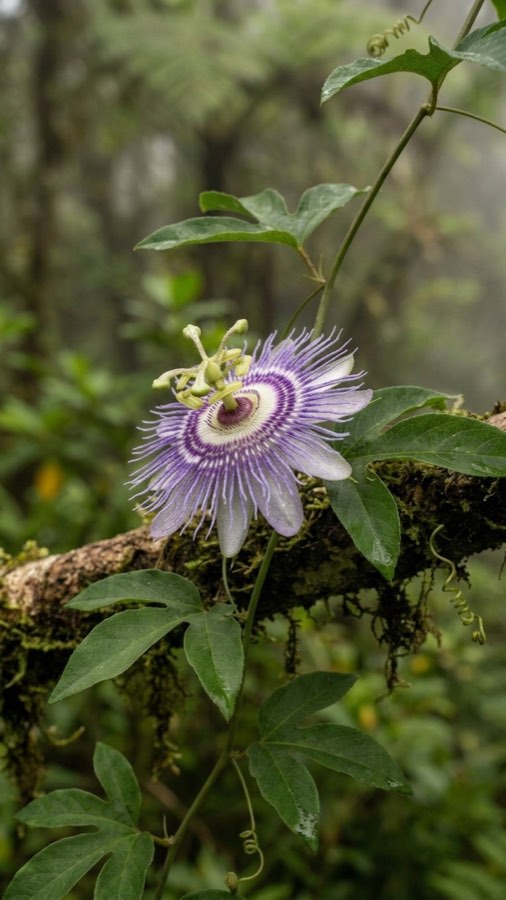 PLATE VIIPLATE VIII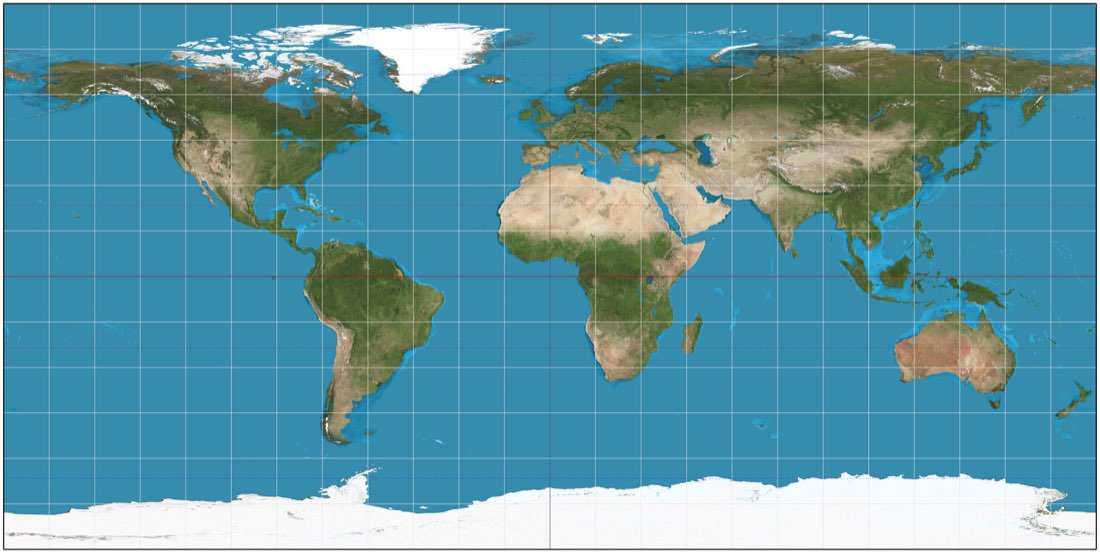
このflowerがOpenのは、一生に一度だけです。
受粉を終えたflowerが、最後の環を閉じて果てるからです。
南米Cloud forest of the Andes、標高千八百メートル。
巻きひげのつるがMistの木々をよじ登り、放射状の大輪をひとつ掲げます。
幾重もの副flower冠が、朝から歯車のように順ぐりに開いていきます。
虫がflower粉を運んだその瞬間、いちばん内側の環が音もなく閉じます。
When the thin soil below the ridge was brushed aside, the surface roots spread through the humus layer that briefly carries meltwater, while the older taproots dropped into limestone joints. This seems to explain why Cedrus bimorpha occurs along lines of fissure rather than across open ground. The green spring form uses the upper water; the grey-green form rebuilds its crown from the lower supply alone.
In the spring after a poor snow year, the angular grey-green branches carry almost no pollen cones or young seed cones. Their tips are hard, with shortened internodes, closer to a defensive growth form. After snowy winters, however, the green form bears many small female cones inside the previous year's shoots, and seedlings appear sparsely in the shallow gravel downwind. Regeneration is not absent; it is only visible in snow years.
The grey-green form appears only on high branches from late April to early June, then sinks back behind older green shoots by summer. From a distance it reads as drought injury in Atlas cedar; up close it can be taken for dieback on a separate old tree. Forestry specimens are usually cut from lower branches, and photographs favor survey years after snowmelt. Its absence from records is not carelessness, but the narrowness of its season and position.