Specimen · N°058 · Mist · ▶ Film
Ombrophyllum solitariumOne-Leaf Rain Parasol
このleafは、一生に一度しか開きません。
FOUND 4.0°N 114.9°E · ボルネオ島内陸、標高約1200mのstoneash岩台地 · ✝ EX · Last seen 1991
このleafは、一生に一度しか開きません。
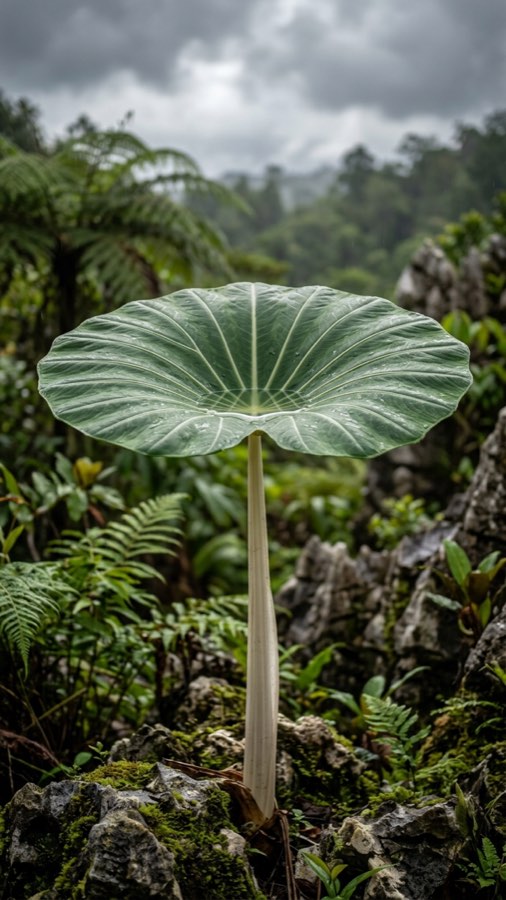
One-Leaf Rain Parasolは、一生に一枚だけleafを広げる巨大leafplant。地下の塊茎で数年を過ごしたのち、太い一本の柄を立て、その先に差し渡し二メートル近い傘状のleafをWater平にひらく。leafは中心へゆるく窪み、放射状に走るleaf脈が浅い溝となって、降るRainを中央へと集める。柄は中空で、集まったRainは柄の中を伝い、足元の根へflow込む。モンスーンの数か月、この一枚が受けたRainのほとんどが地下の塊茎を満たし、長い乾季を越すたくわえとなる。leafは消耗が激しく、一季かぎりで枯れる。そして不思議なことに、同じ株から二枚目の傘が立つことはない。Openのは一生にこの一枚きり。だから傘を落とすとき、その株の地上の一生も、静かに終わる。
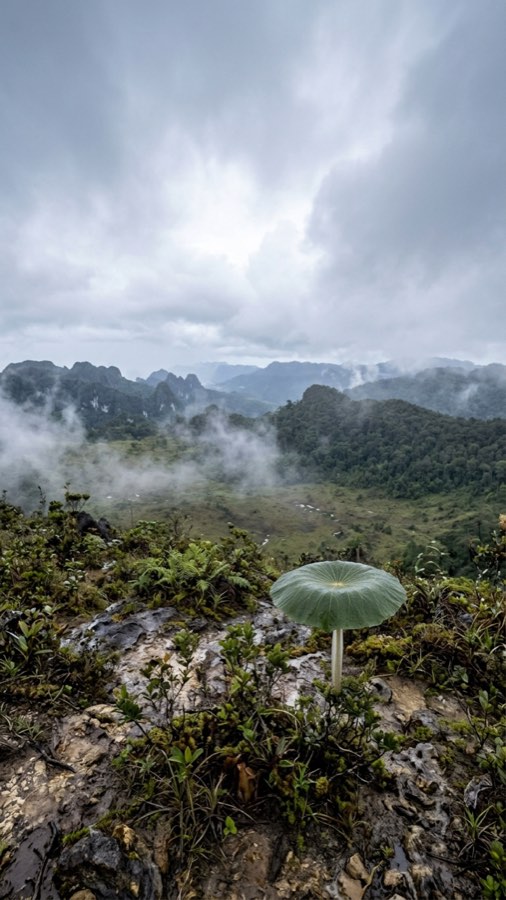 PLATE I
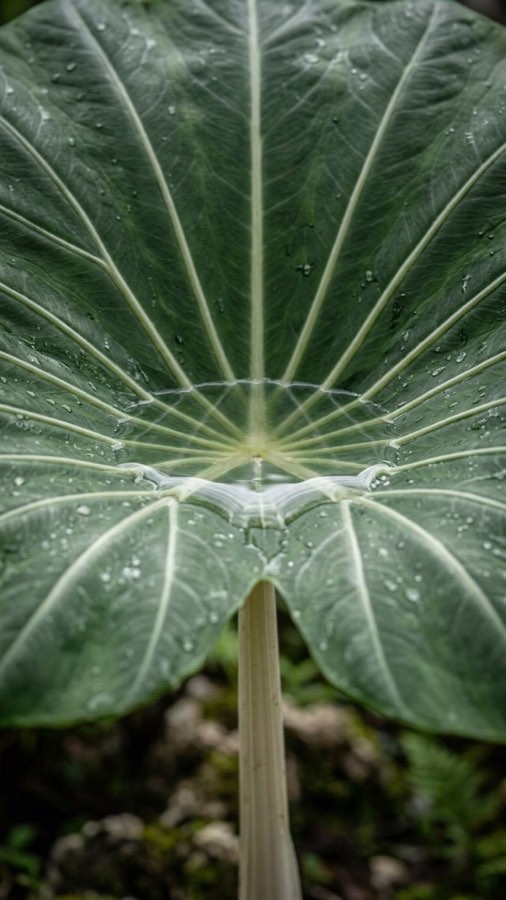 PLATE II
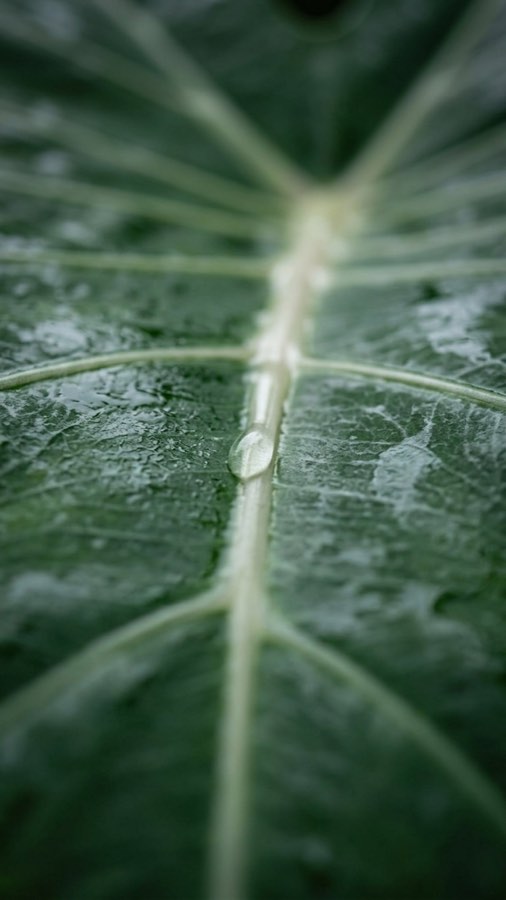 PLATE III
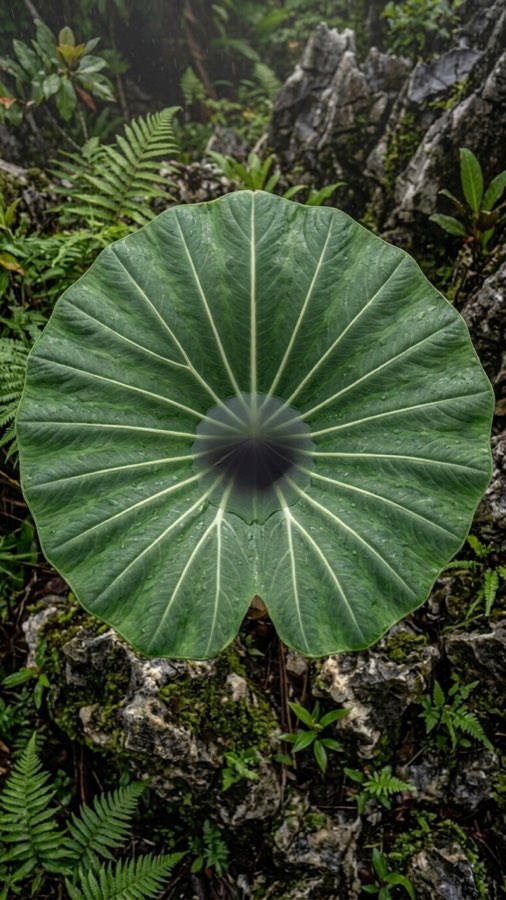 PLATE IV
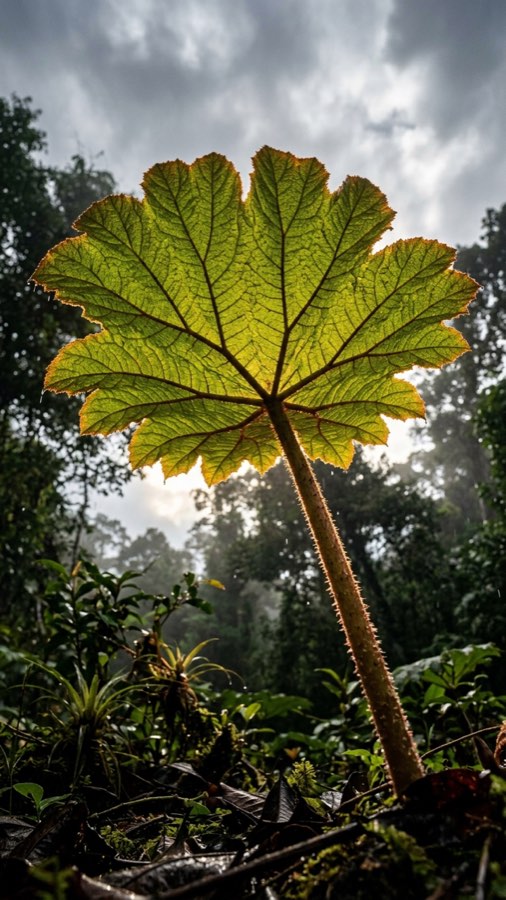 PLATE V
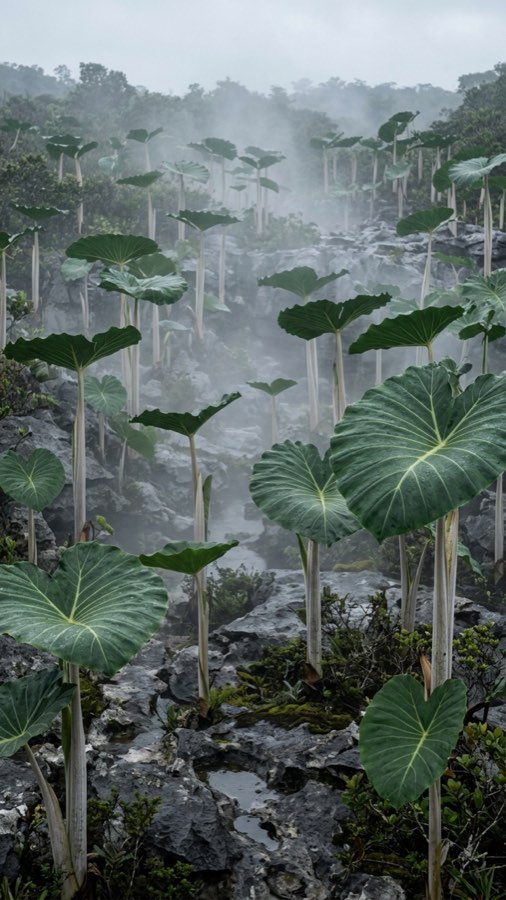 PLATE VI
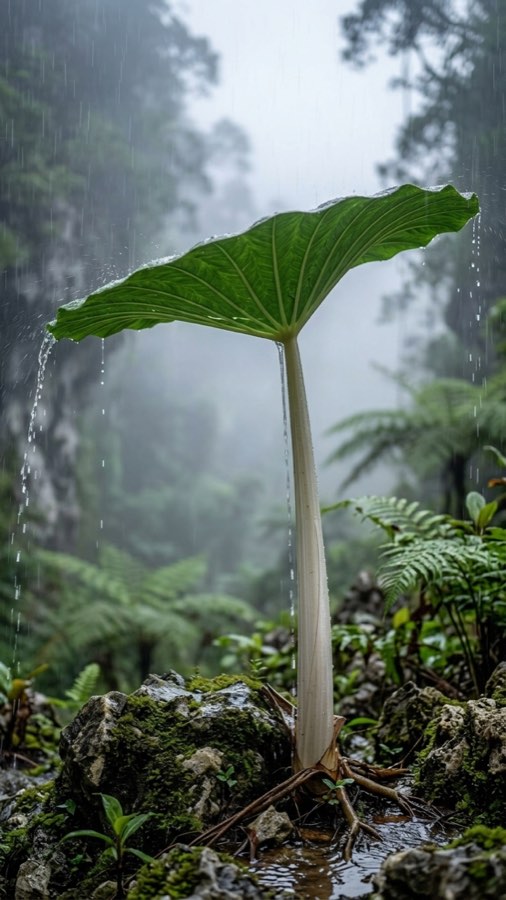 PLATE VIIPLATE VIII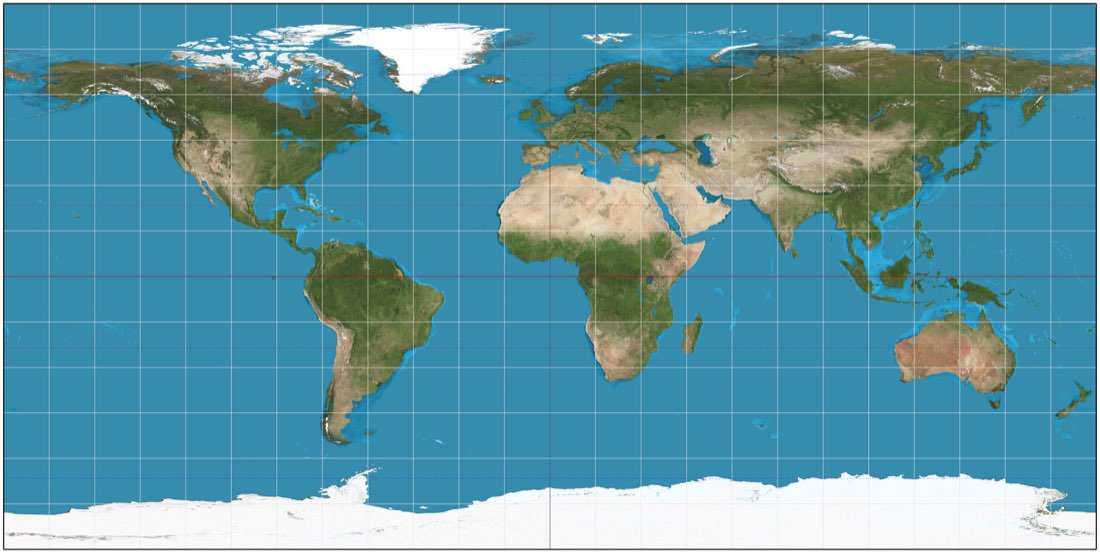
このleafは、一生に一度しか開きません。
たった一枚で、一季のRainをすべて飲み干すからです。
ボルネオ内陸、Rain季の高原。
差し渡し二メートルの傘が、空へ向かって静かにひらきます。
leaf脈が浅い溝となってRainを中心へ集め、中空の柄を通して足元の根へ流し込みます。
モンスーンの数か月、この一枚が受けたRainのほとんどが、地下の塊茎を満たします。
When several plants were lifted from the lake margin, the hairs at the crown remained unwetted, holding only fine bubbles. A cut stem showed coarse internal air spaces, and when pressed, small bubbles escaped from the root side. The plant does not so much carry foam downward as hold surface air with hydrophobic hairs, then leak oxygen through the stem aerenchyma into the rhizosphere. In the black reduced mud, only the soil immediately around the roots appeared faintly oxidized.
The tubular flowers sit close to the water surface and do not seem built to wait for insects. Each gust shakes the shallow water; neighboring flower tubes touch, and pollen drops back onto the stigma of the same flower. Some buds set fruit without fully opening, suggesting a system close to self-pollination. The mass flowering in foamy springs is therefore not a display for pollinators, but a way to complete seed production during the brief flooded interval.
On the dried summer lakebed, almost no dead stems or leaf scars remain. Beneath the salt crust, however, hard dark-brown seeds lie in a thin clay layer. Returned to water, they do not swell at once; only those placed in diluted, foaming spring shallows begin to split. In years when the plant is absent above ground, it has not vanished. It is waiting in the salt mud, sometimes for several years, until the proper signal for germination returns.