Specimen · N°075 · Darkness · ▶ Film
Atranthus lucivorusNightwell Bloom
あなたの足元で、lightが消えます。
FOUND 5.0°N 117.8°E · 東南アジアの熱帯Rain林、湿った日陰の暗い林床 · ✝ EX · Last seen 2015
あなたの足元で、lightが消えます。
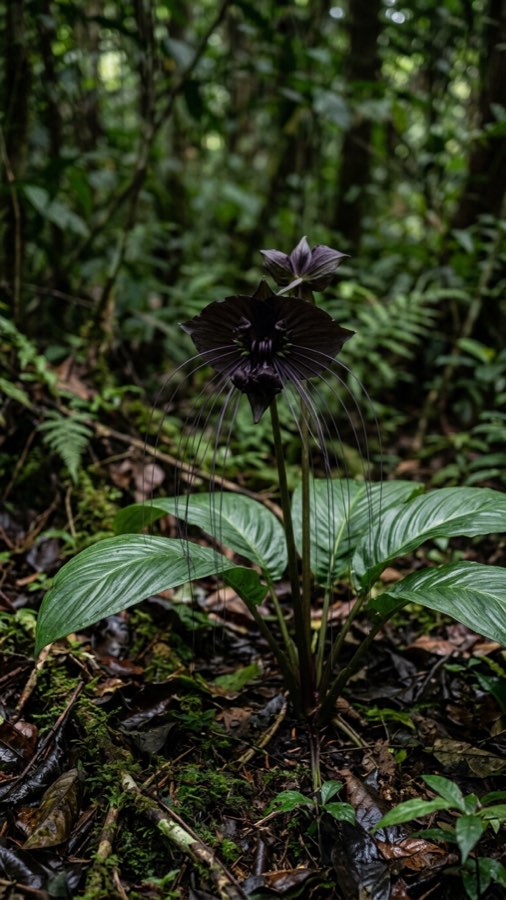
Nightwell Bloomは、暗い熱帯林の林床から高さ40cmほど立ち上がる草。広く艶のない濃緑のleafを低いロゼット状に広げ、短い黒い茎の先に、ほとんど漆黒のflowerをひとつ咲かせる。翼のように張り出した暗い苞と、20〜25cmほどpendulousひげ状の細い付属物を持つ。flower弁には色素が極端に高濃度で蓄積し、加えて表面の微細な突起構造が可視lightを内部へ幾度も散乱させて閉じ込めるため、lightをほとんど返さず、艶消しのビロードのような深い黒に見える。だから緑の林床の中で、そこだけが穴の開いたように黒くsinking。写真に撮ると、その一点はshadowのように黒く写るだけだ。ところが摘んで標本にすると、乾くにつれて色素は褐色に褪せ、微細構造もつぶれて、あの黒の深さは残らない。押しleafになったNightwell Bloomは、ただの茶色いflowerにすぎない。
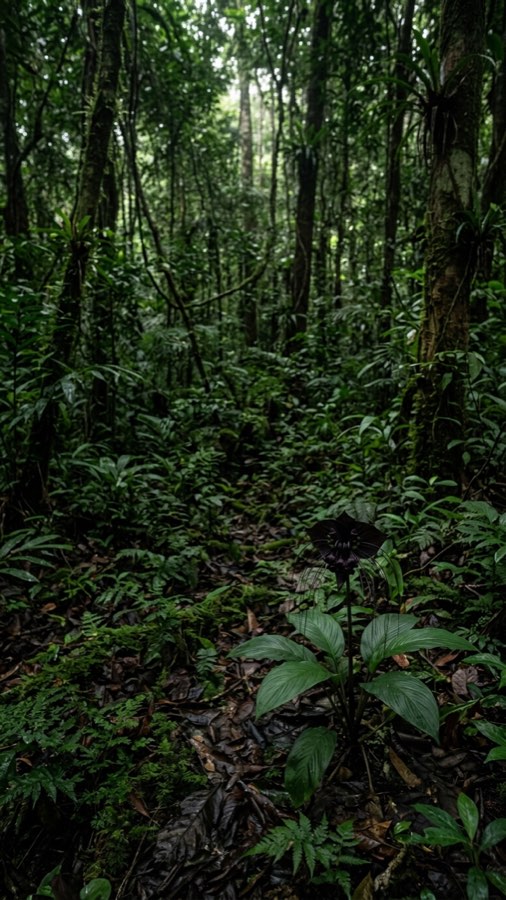 PLATE I
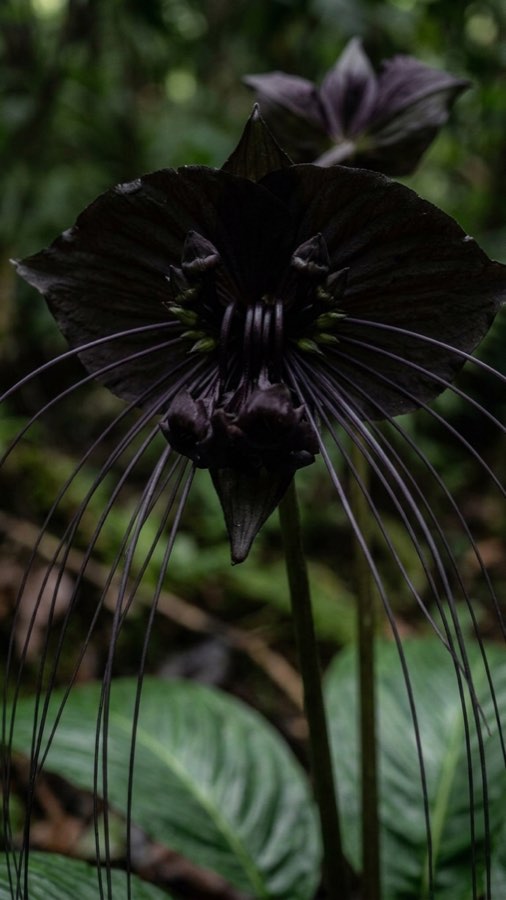 PLATE II
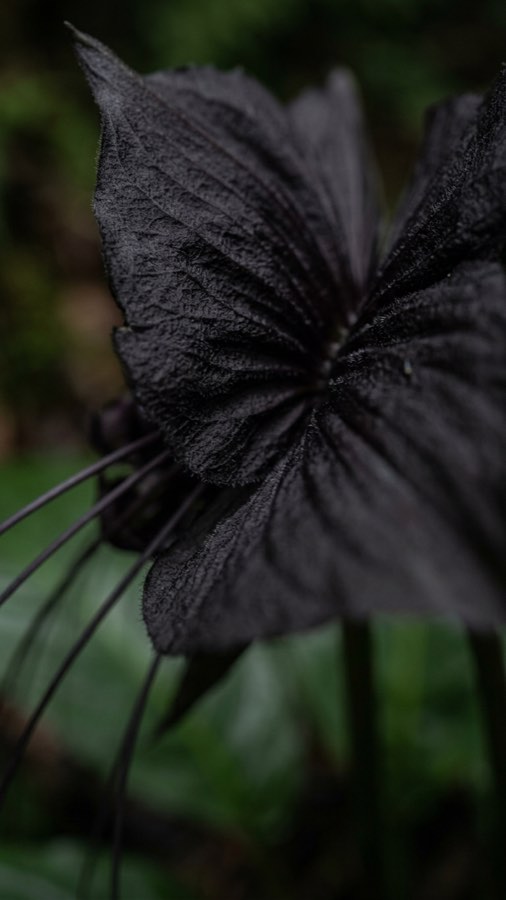 PLATE III
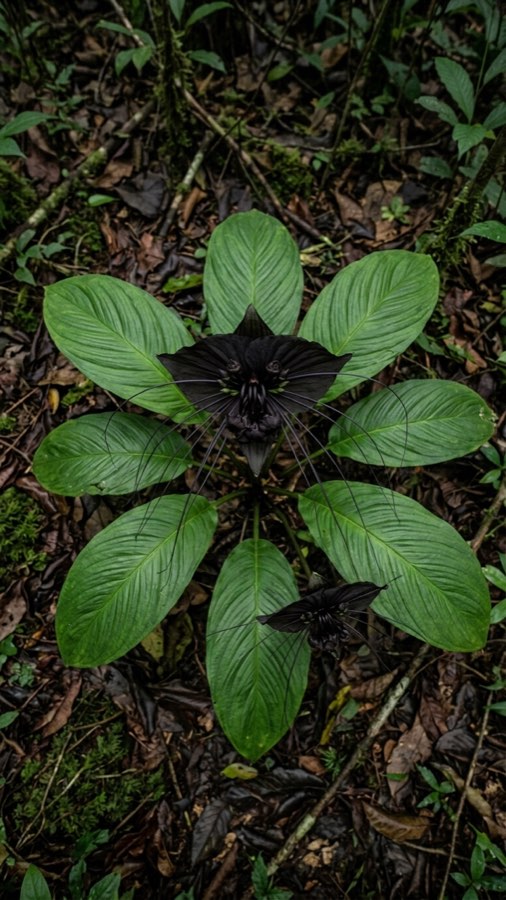 PLATE IV
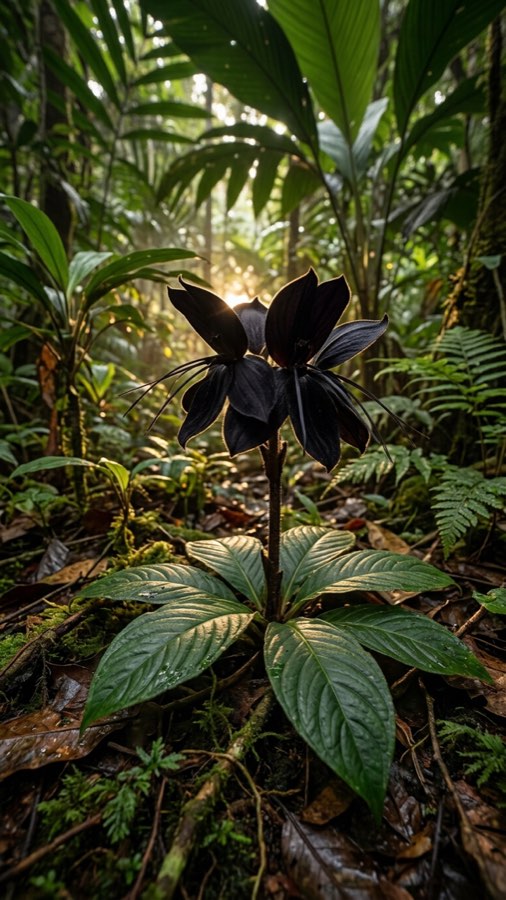 PLATE V
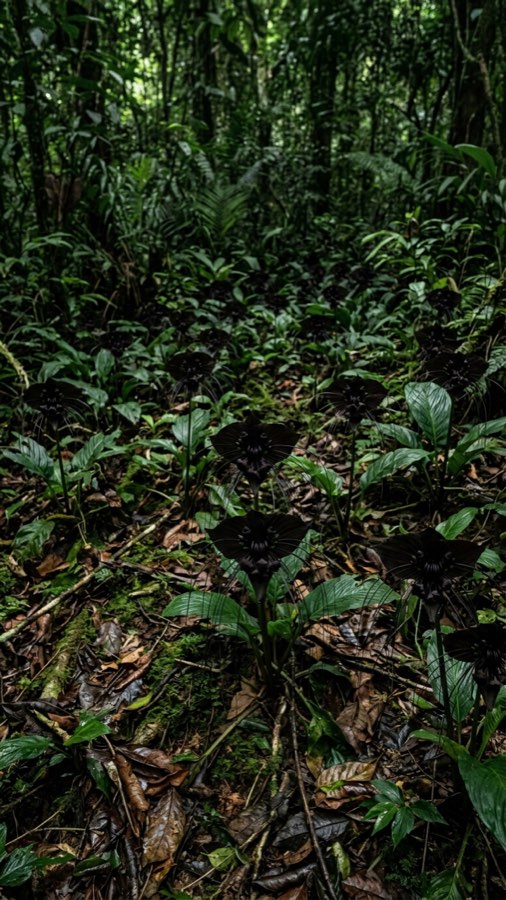 PLATE VI
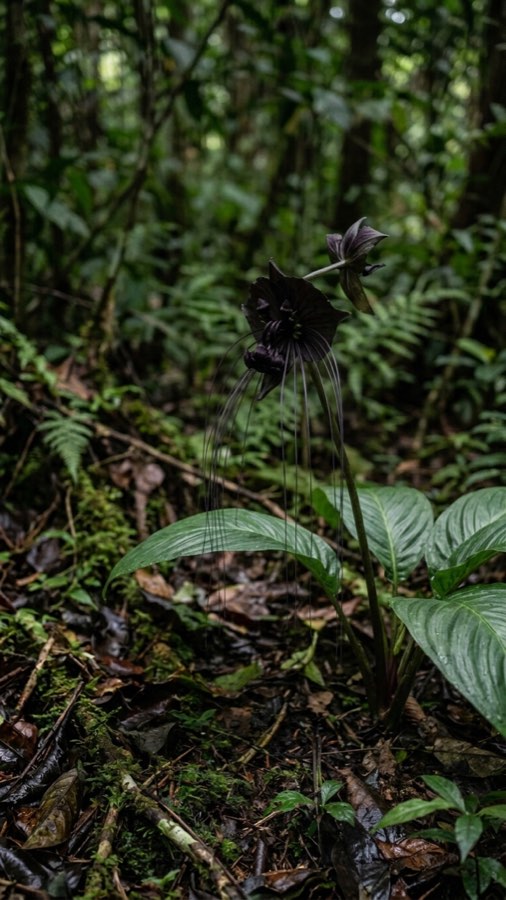 PLATE VIIPLATE VIII
森の中で、そこだけlightが消えます。最も黒いflowerが、lightを吸い込んでいます。
東南アジアの熱帯林、湿った日陰の暗い林床。
flower弁には色素が極端に多く、微細な構造が可視lightをほとんど返しません。
だから緑の中で、そこだけ穴が開いたように黒く見えます。
写真に撮ると、その一点はshadowのように写ります。
けれど標本にすると、乾いて褐色に褪せ、黒の深さは残りません。
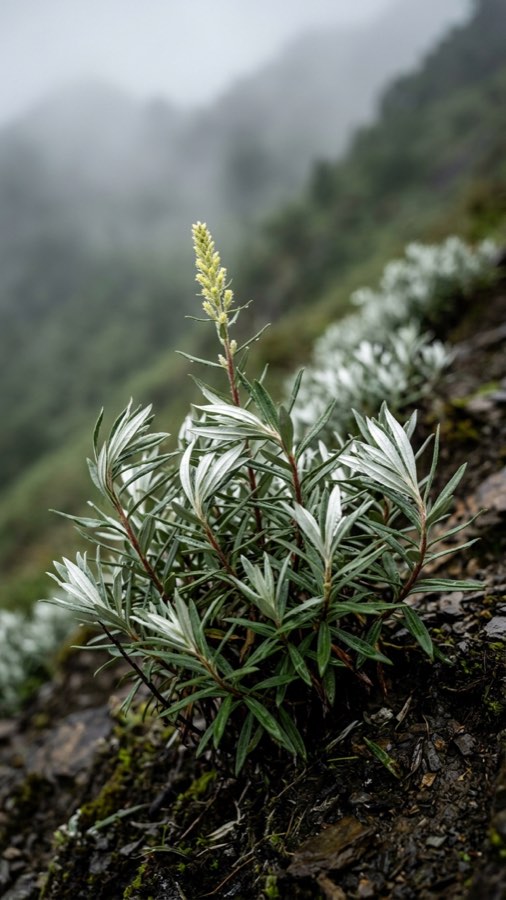
In late May, for only a few days while meltwater still lingers in rock fissures, Rootbound Metalwort opens its pale yellow flower. Once the dry season begins, the stalk contracts and the rosette sinks into the same grey-green tone as serpentine flakes. Some older herbarium sheets filed under related serpentine rosette plants may well have contained this species. Its thin record in the Siskiyous seems less a matter of invisibility than of an extremely narrow window of visibility.
On clear mornings, small native bees and hoverflies pause briefly at the rusty stain near the flower base. The nectar is scant, but for a single-flowered plant it appears sufficient. After fruiting, the dry capsule splits and smooth seeds roll with the wind into cracks or behind pebbles. Germination is poor directly beneath the parent, while seedlings persist in fissures several dozen centimeters away, pointing to the influence of old roots laden with metal.
The name “closed soil” is less an agricultural taboo than a piece of working knowledge from those who used old mine tracks and stock trails. Notes mention that places where the roots were dug up for stakes, temporary fencing, or leveling camp trampling were slow to regain cover the following year. The habit among land managers of avoiding slopes with reddish old roots likely persisted because, on serpentine barrens, even a small loss of vegetation carries consequence.