Specimen · N°051 · Water
Praesagia eyrensis先触れ草
Waterが来るより、ずっと前に芽を出します。
FOUND 28.3°S 137.3°E · オーストラリア南部、カティ・サンダ=レイク・エア流域の乾いたSaltクレイパン · ✝ EX · Last seen 1967
Waterが来るより、ずっと前に芽を出します。
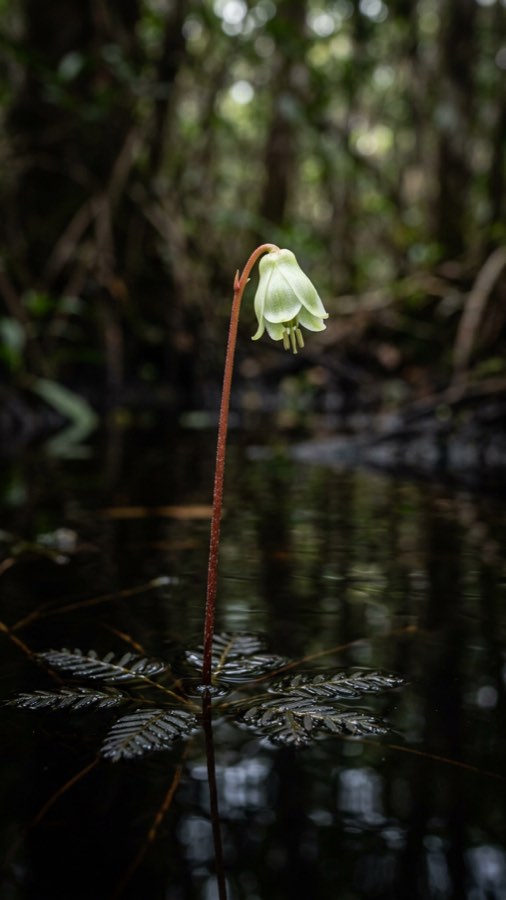
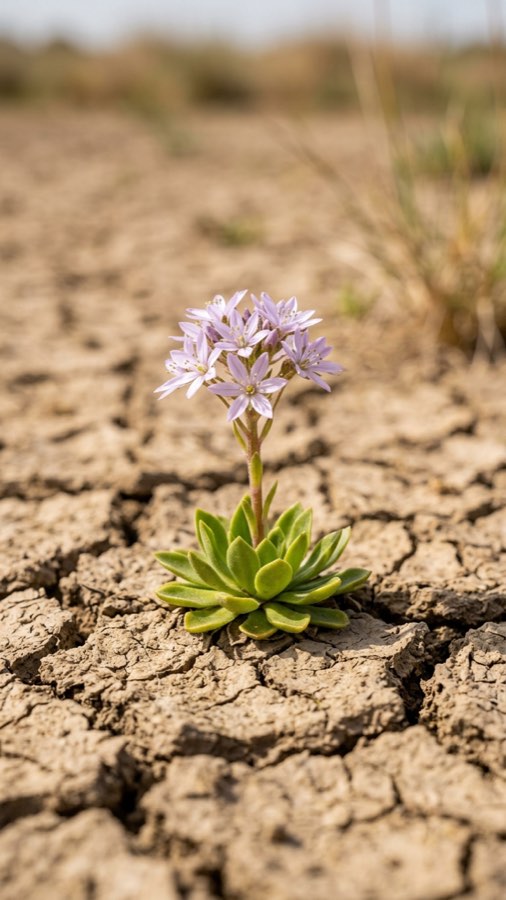
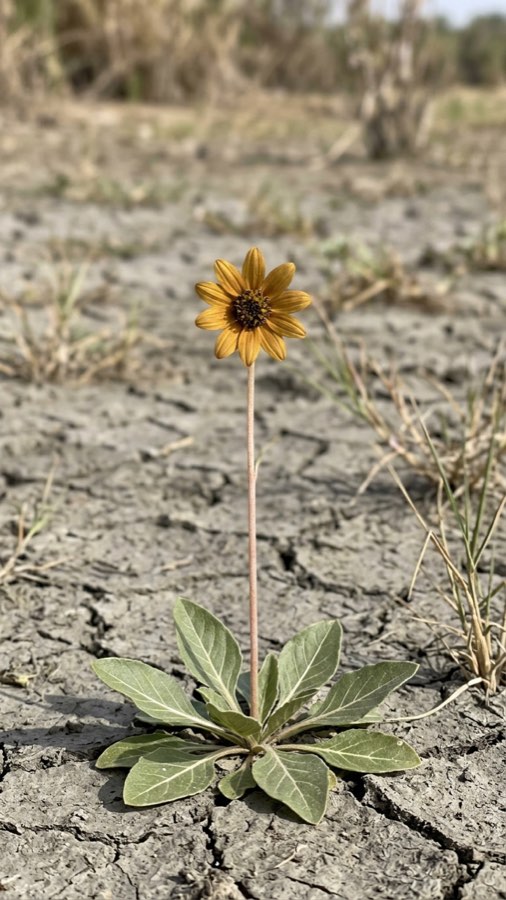
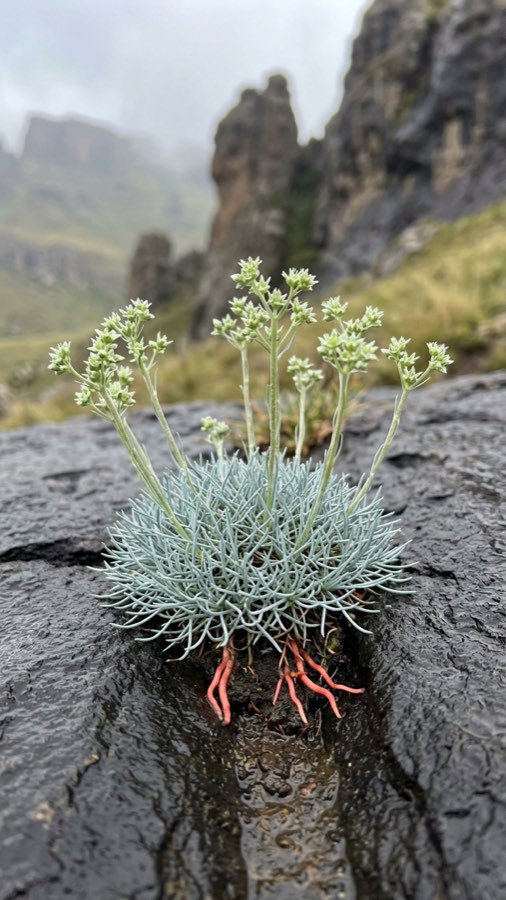
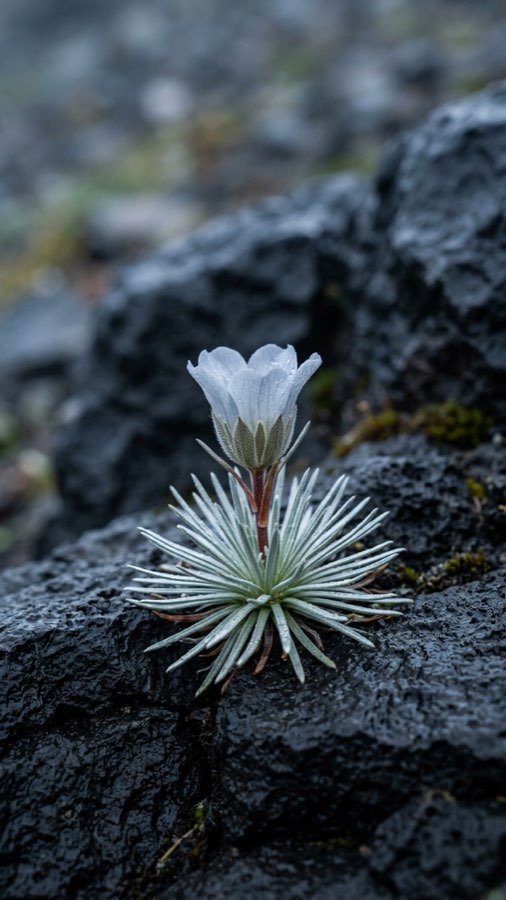
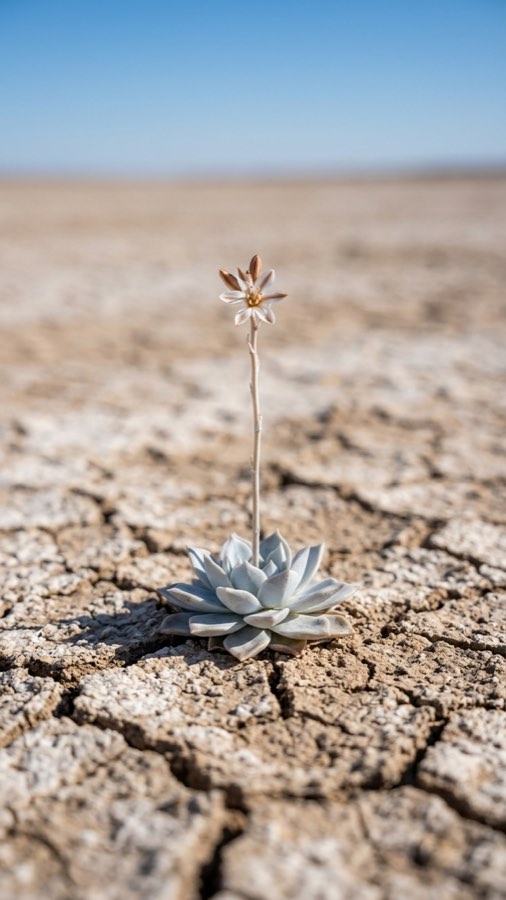
先触れ草は、高さ10cmほどの小さな多肉plant。淡い銀青色のやや透き通ったleafを平たいロゼット状に低く広げ、細い淡色の茎の先に、ほのかに銅色を帯びた小さな白い星形のflowerをひとつつける。何百キロも上流で降ったRainが、地下の砂礫を伝って流域へ近づくと、地表にWaterが届くよりずっと前に、混ざり合った地下Waterの同位体組成だけを手がかりに発芽する。だから乾いて割れたままの硬いクレイパンに、突然この草が現れる。地表にWaterが満ちるのは、それから数週間あとのことだ。土はまだ乾いているのに、出現はいつも洪Waterに先んじている。
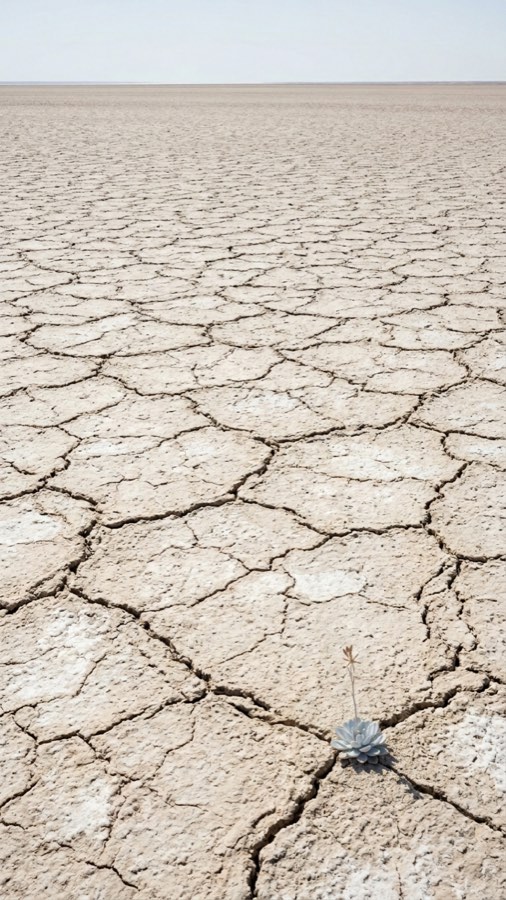 PLATE I
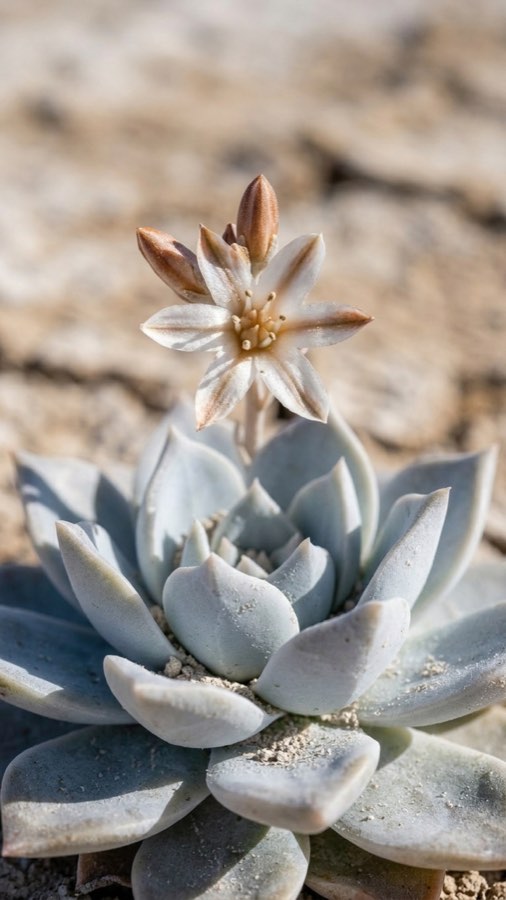 PLATE II
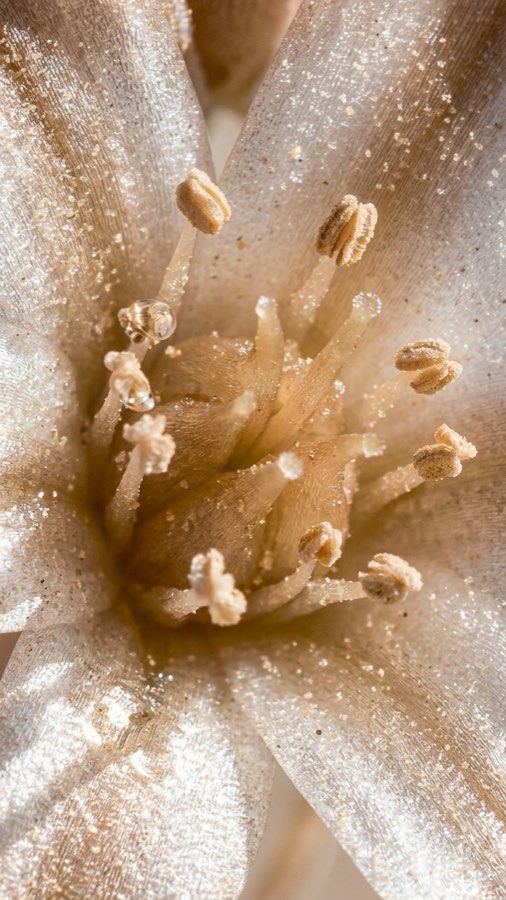 PLATE III
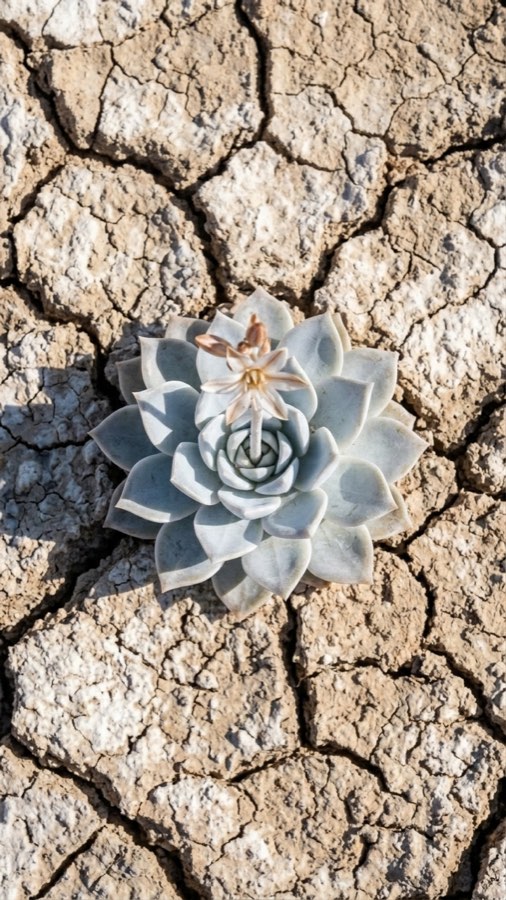 PLATE IV
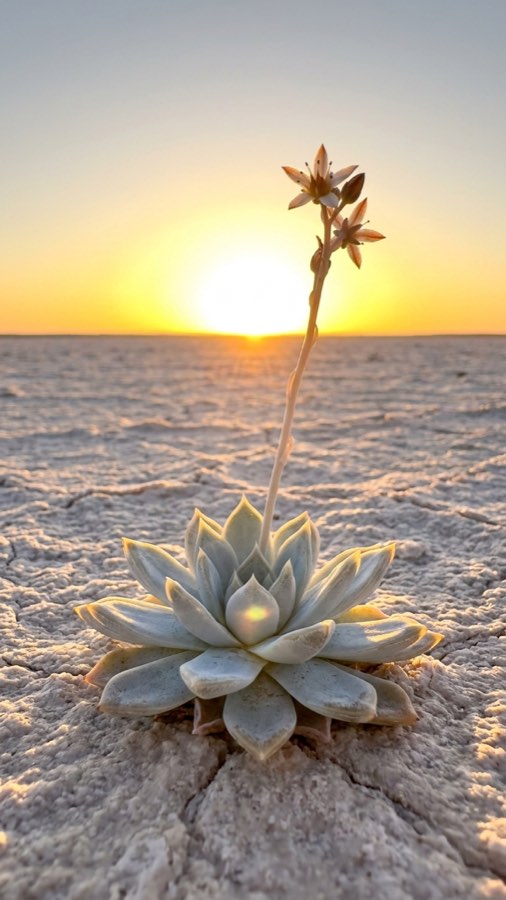 PLATE V
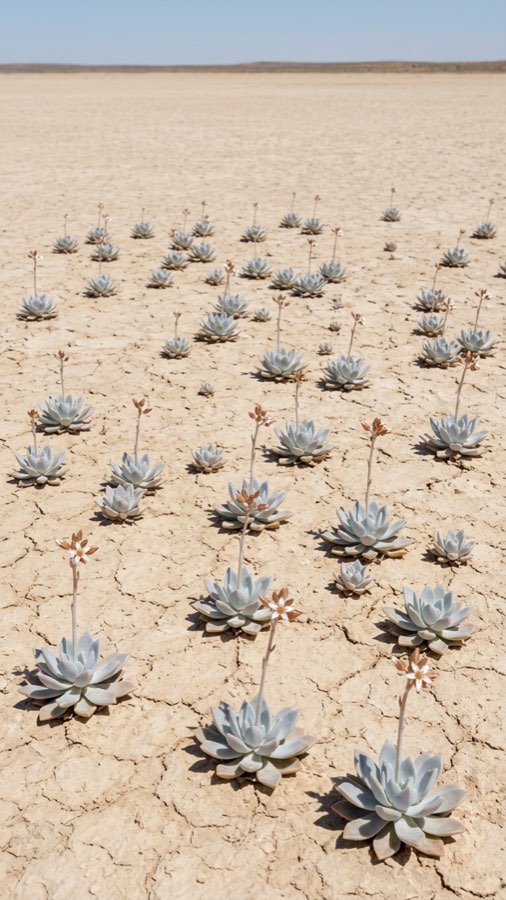 PLATE VI
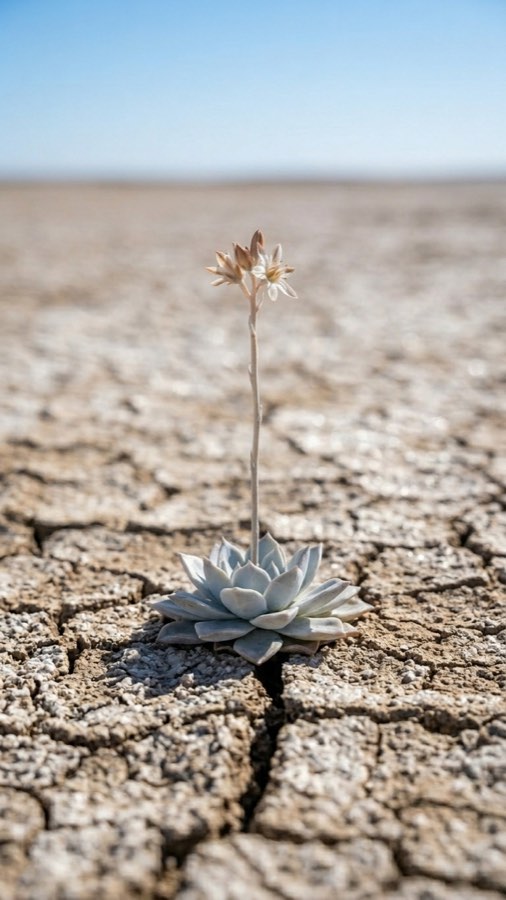 PLATE VIIPLATE VIII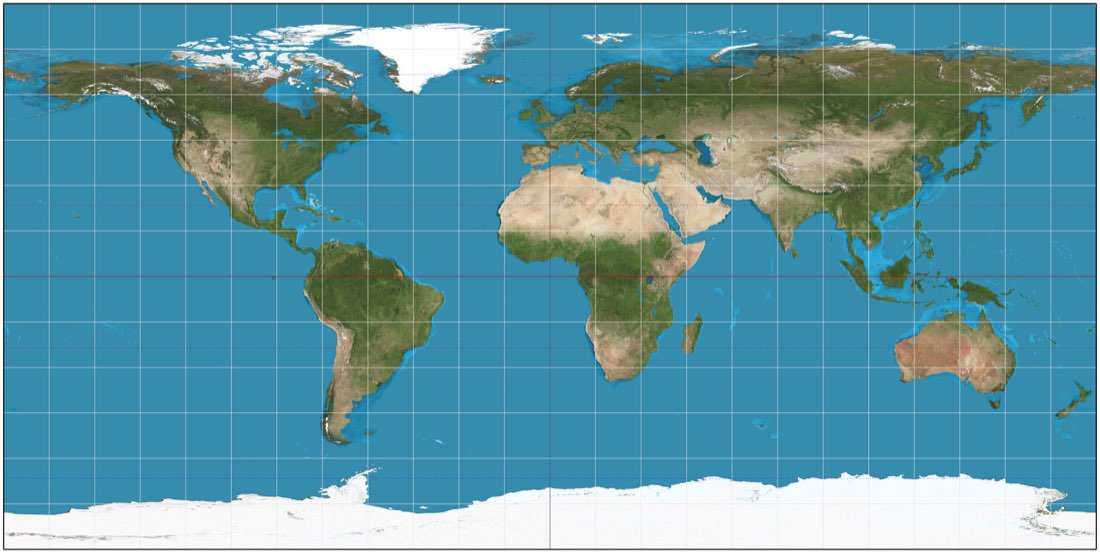
Waterが来るより、ずっと前に芽を出します。
地表は、まだ硬く乾いたままなのに。
オーストラリア南部、レイク・エア流域。
何百キロも上流のWaterが、地下の砂礫を伝って近づくと、
先触れ草は、混ざり合った地下Waterのわずかな違いだけを頼りに発芽します。
銀青色のleafを平たく広げ、銅色を帯びた白い星形のflowerをひとつ咲かせます。
When flowering plants are lifted, the filaments are short and the anthers bend inward, clasping the stigma. The perianth opens slightly only on windy afternoons, but the flower is not built to wait for visitors. It appears mainly self-fertile, with small flies moving through salt cracks or windblown dust only rarely carrying pollen between plants. Its haste on a dry lake floor is best read as a way to set seed in the few days before floodwater arrives.
After fruiting, the capsule splits as soon as it wets, releasing fine seed as a thin dusting over the mud surface. The seeds seem less adapted for long transport than for adhering to saline mud as lakewater withdraws. Once dry, their coats become sealed within the salt crust and remain dormant until the next change in groundwater isotope balance. The banded colonies probably trace former waterlines and the uneven drying of the mud.
From germination to seed set may take less than a week in rapid years. By the time surface water arrives, the plants are submerged in muddy water and no longer preserve as useful specimens. Collected dry, the silver-blue tissue fades and resembles young shoots of known chenopod saltbushes. Older travellers seem to have regarded it less as a specimen than as a sign for judging when to cross the lake margin or whether to move stock onto the low ground.