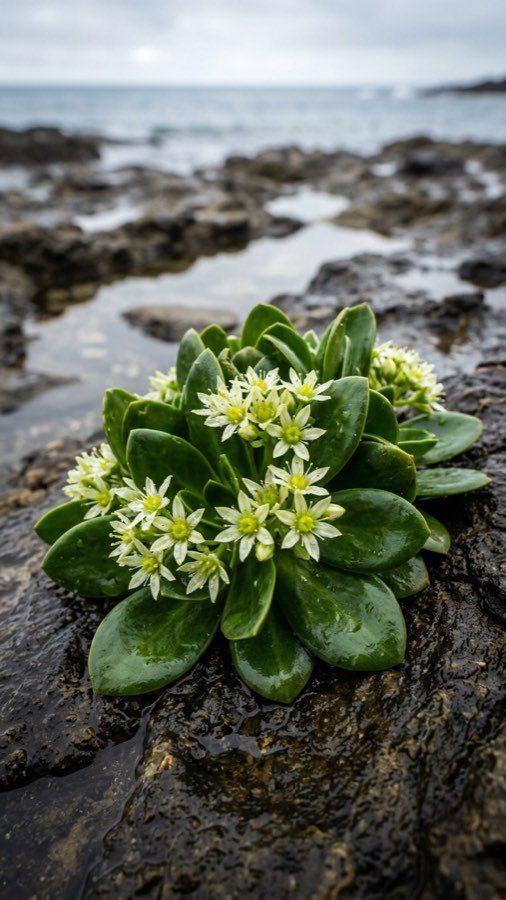
05
Classification
Classification & specimen data
Scientific name
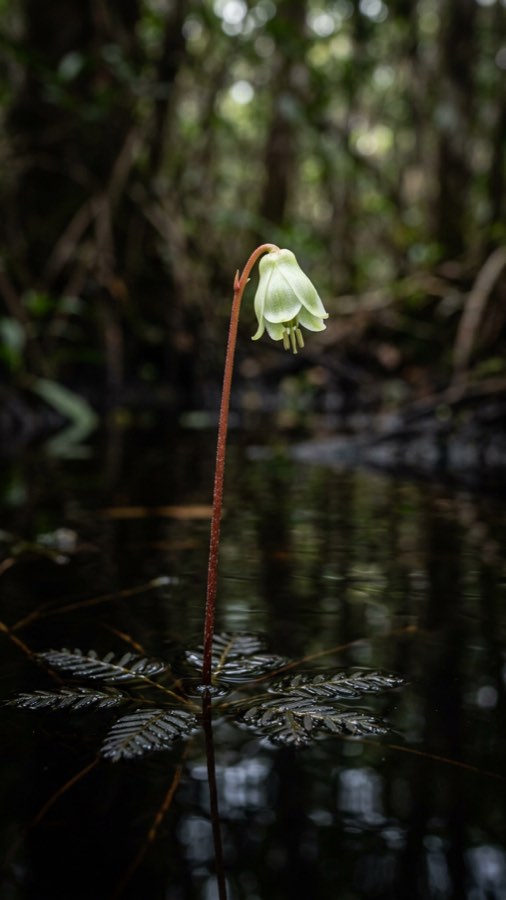
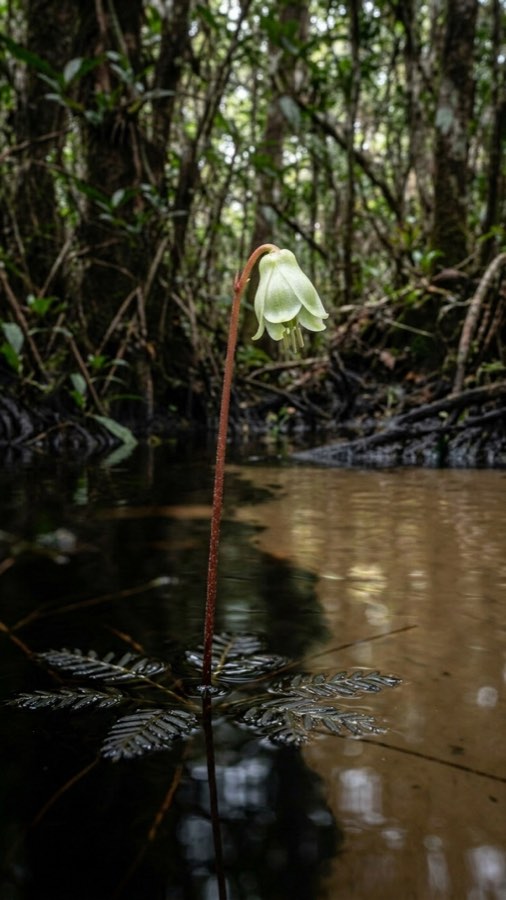
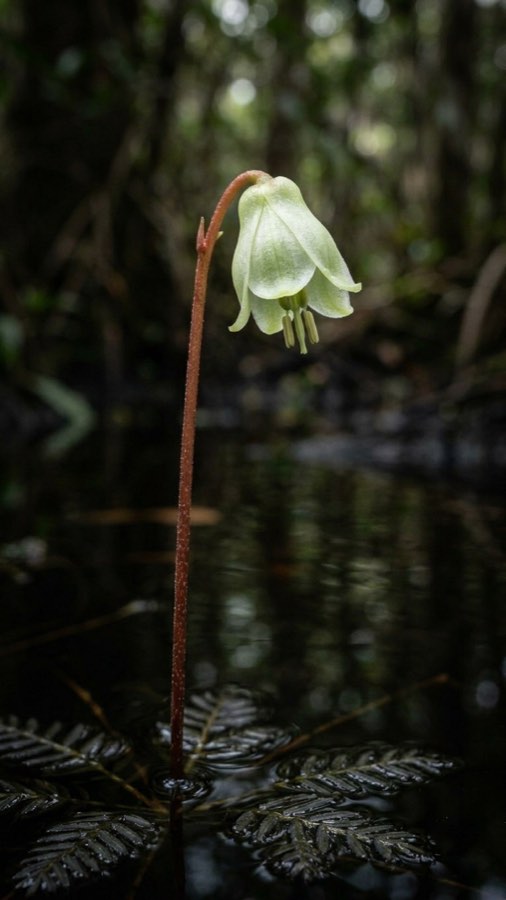
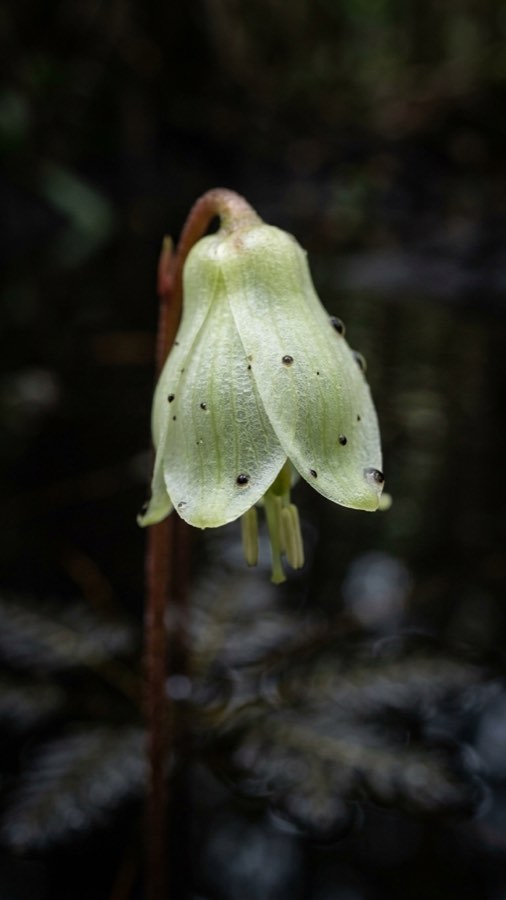
Rheomarginis confluentis T. Okabe, 1968
Taxonomy
Plantae › Angiosperms › Dicotyledons › Rheomarginales › Rheomarginaceae › Rheomarginis › confluentis
Voucher
AVF-016 · Holotype
Archive of Vanished Flora (AVF)
Conservation
✝ EX — Extinct Last seen 1971
Collector
E. Mori
1968-05-05
Synonym
Rheomarginopsis confluentis N. Drei, 1966
Protologue (Latin)
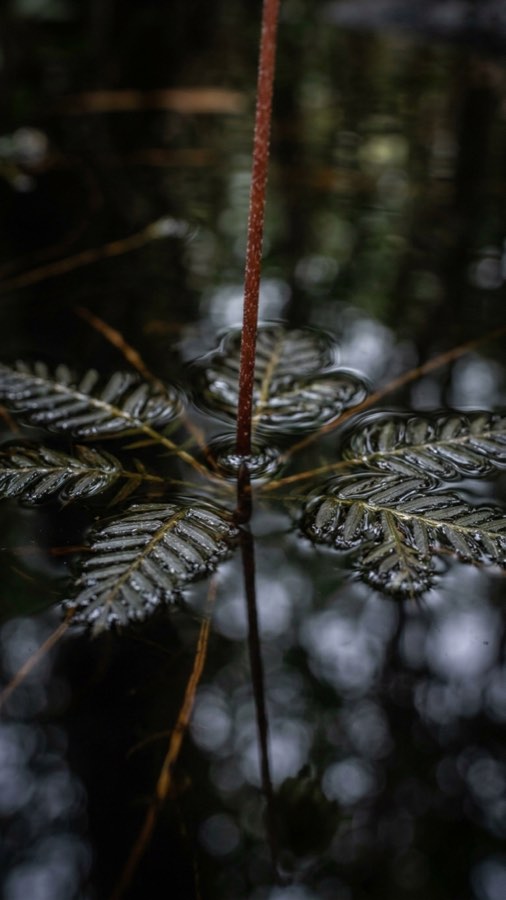
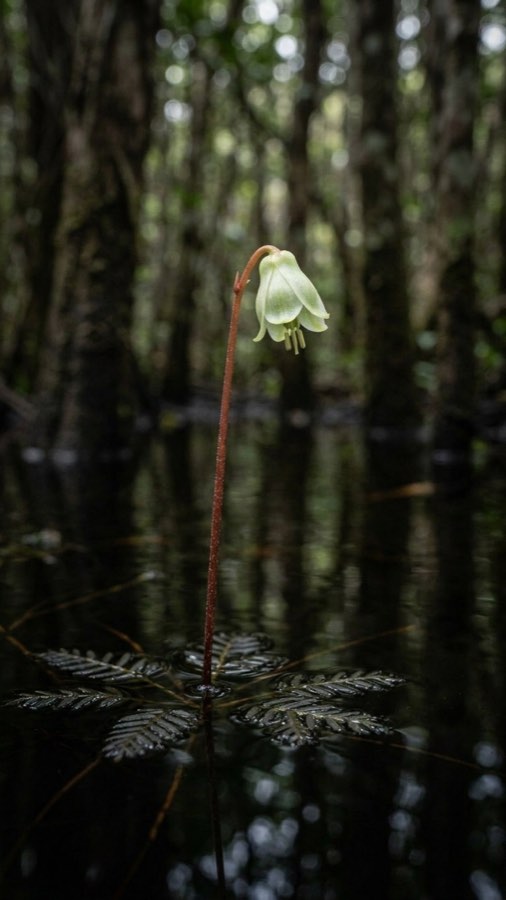
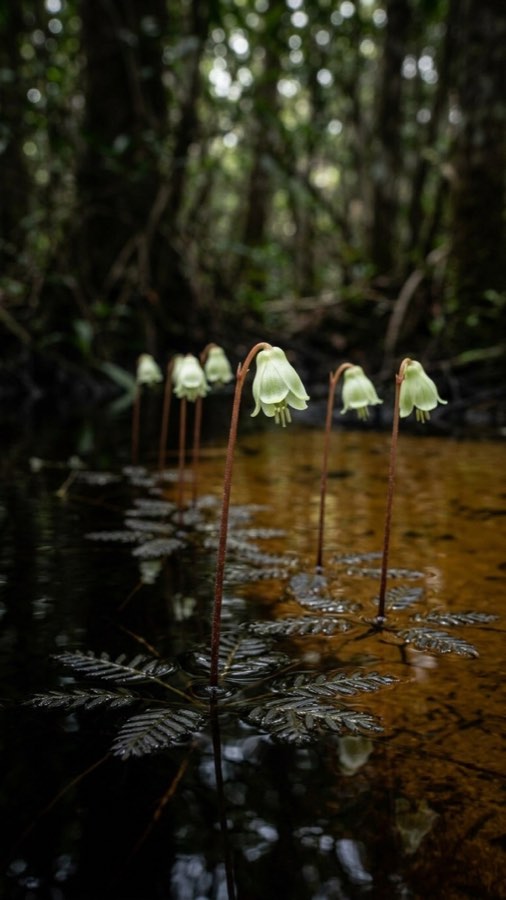
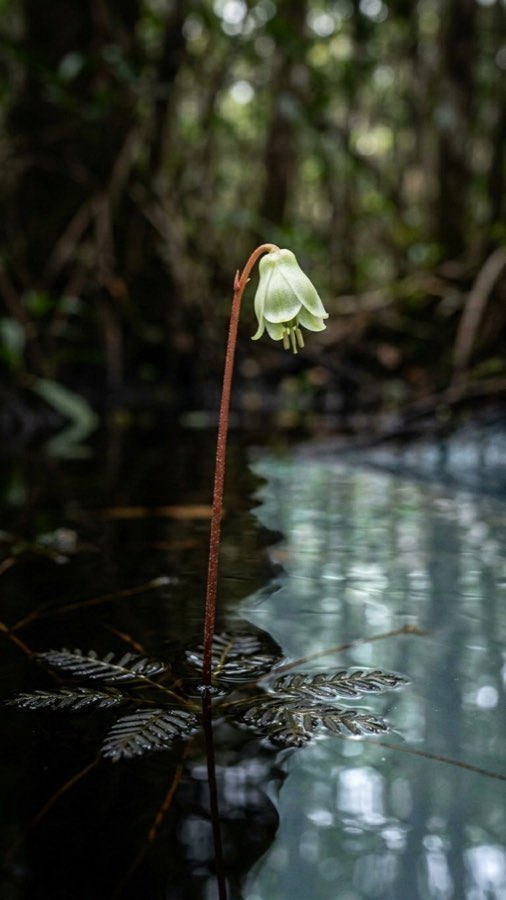
Herba parva rosulata, foliis crassis glaberrimis, floribus parvis stellatis. Typus: Igapó (seasonally flooded blackwater forest) of the lower Rio Negro, northern Brazil. Species iam extincta.
Discovered / Described
1968 / 1968
Flowering
A brief flowering (a few days)
Pollination
Small flies and wasps
Substrate · pH
Gravelly, near-neutral
06
Etymology
Etymology of the name