Specimen · N°040 · Wetland
Metallophila reciproca器返し草
ふだんはleafに金属をため込んでいます。
FOUND 30.7°N 88.0°W · 米国アラバマ州沿岸平野の湿性サバンナと、ピッチャープラントの育つ酸性貧栄養の泥炭Wetland · ✝ EX · Last seen 2019
ふだんはleafに金属をため込んでいます。
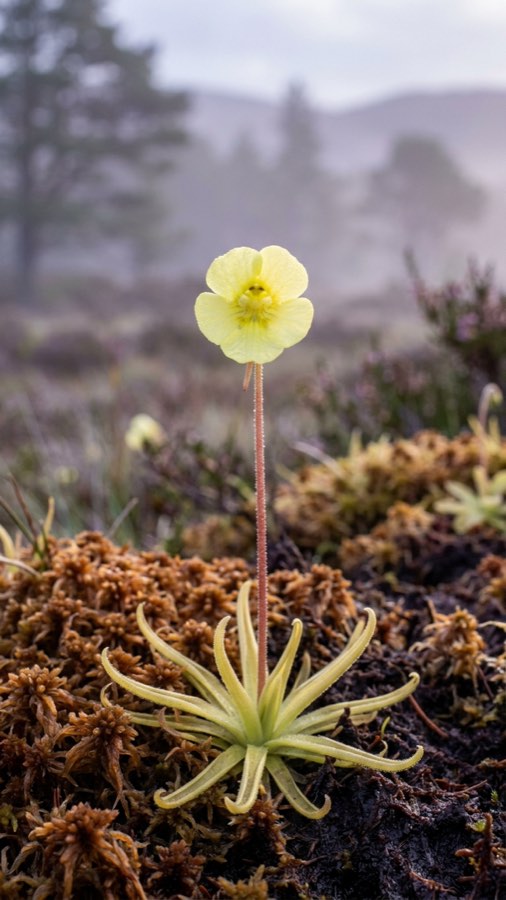
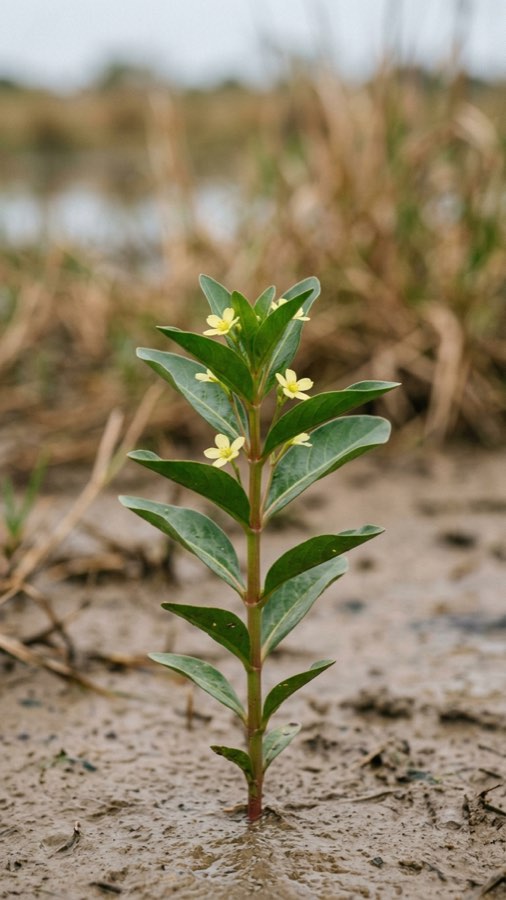
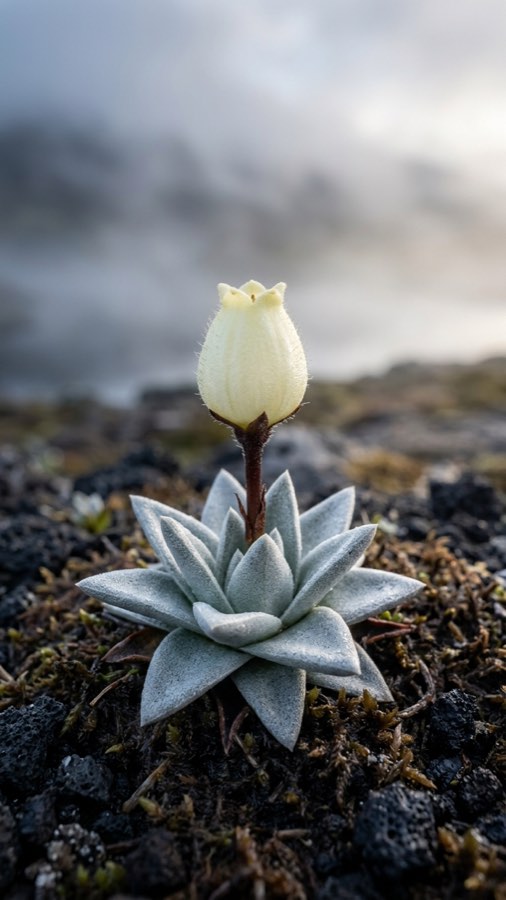
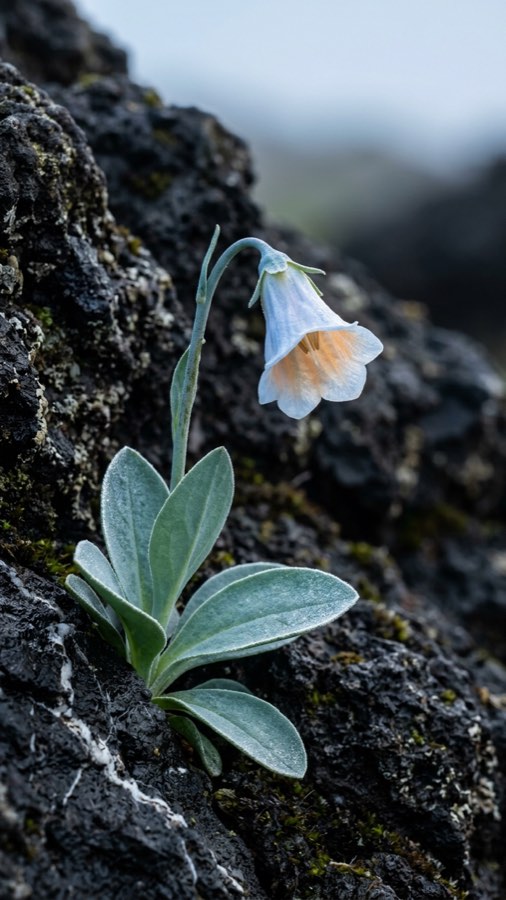
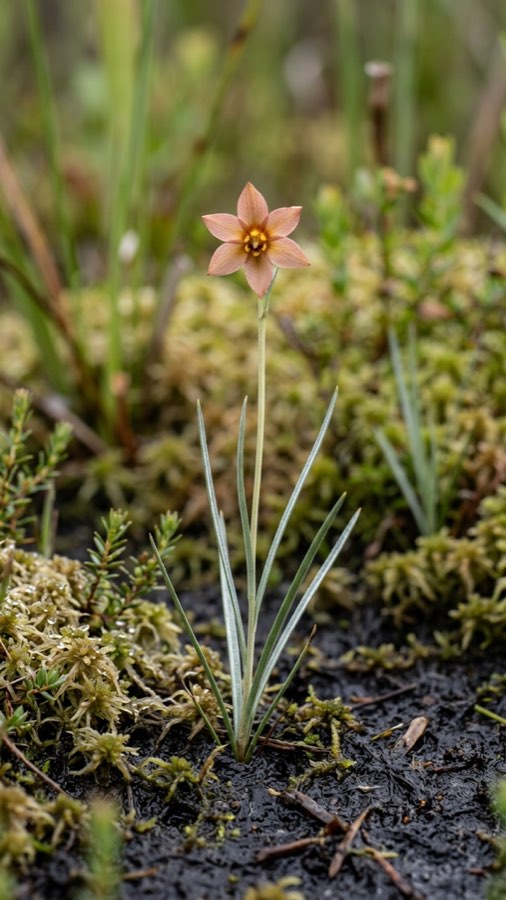
器返し草は、高さ25cmほどのWetlandplant。細いash緑色の草状のleafを低く広げ、そのleafにはかすかな銀色の金属light沢がある。淡い緑の細い茎の先に、銅色を帯びた淡い薔薇色の星形の小flowerを上向きにひとつつけ、その中心は深い琥珀色をしている。ふだんこのplantは、酸性Wetlandの土から吸い上げたアルミニウムをleafにため込み、leafを金属で守っている。ところがflowerをOpen直前の短いあいだだけ、ためた金属をleafから根へ送り返し、flower器を金属から守る。そのときleafの化学組成はまるで別種のように変わり、なぜ貯蔵場所を逆転させるのかは、まだ分かっていない。
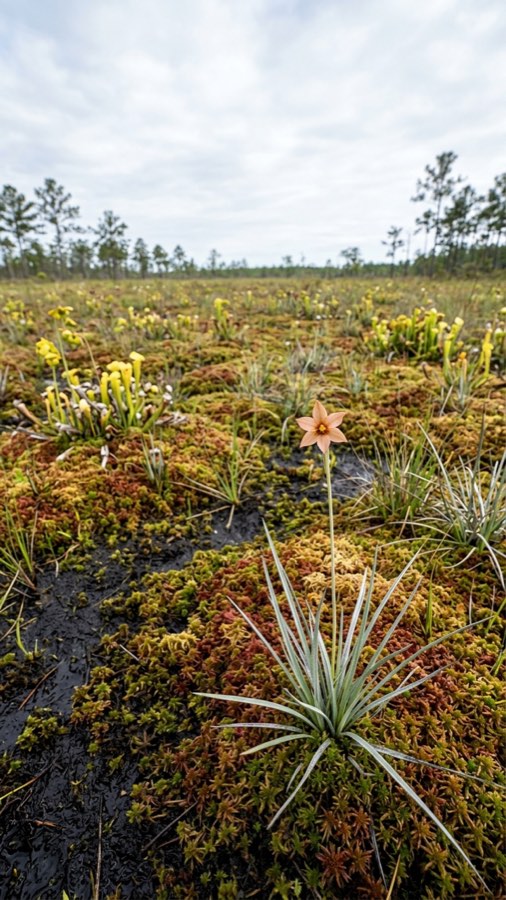 PLATE I
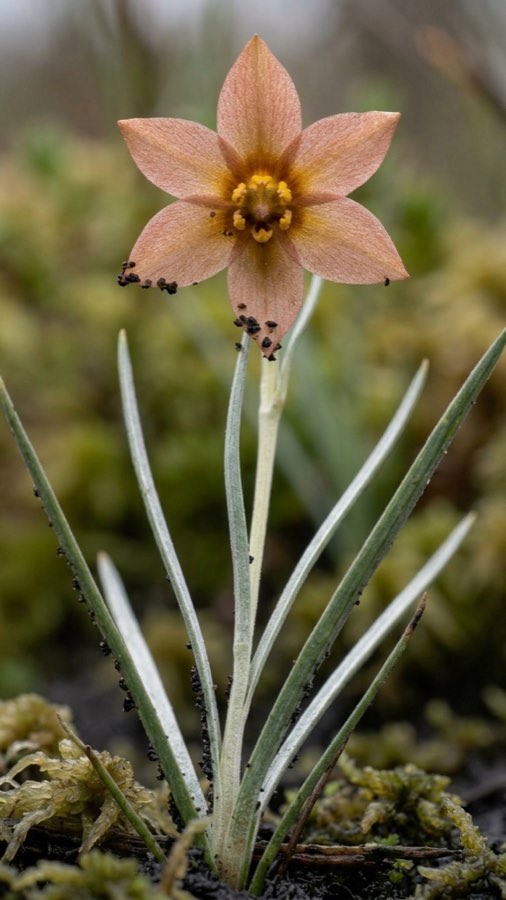 PLATE II
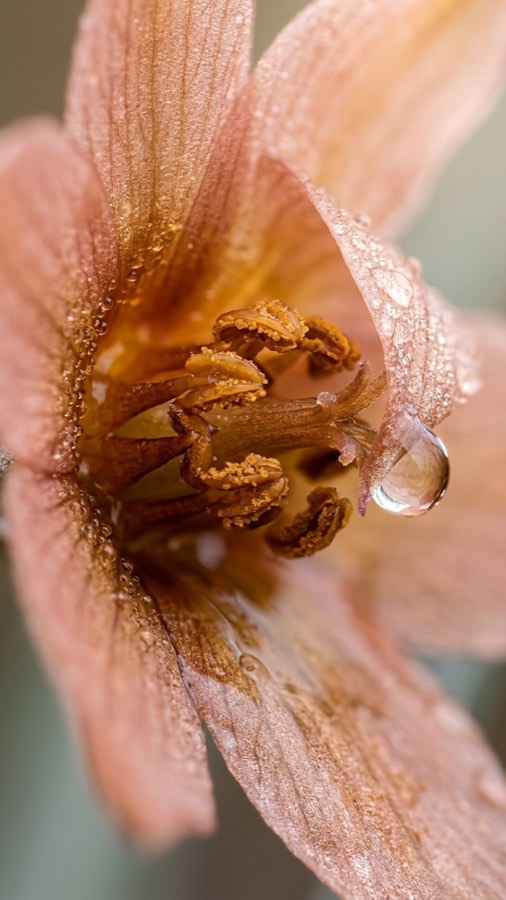 PLATE III
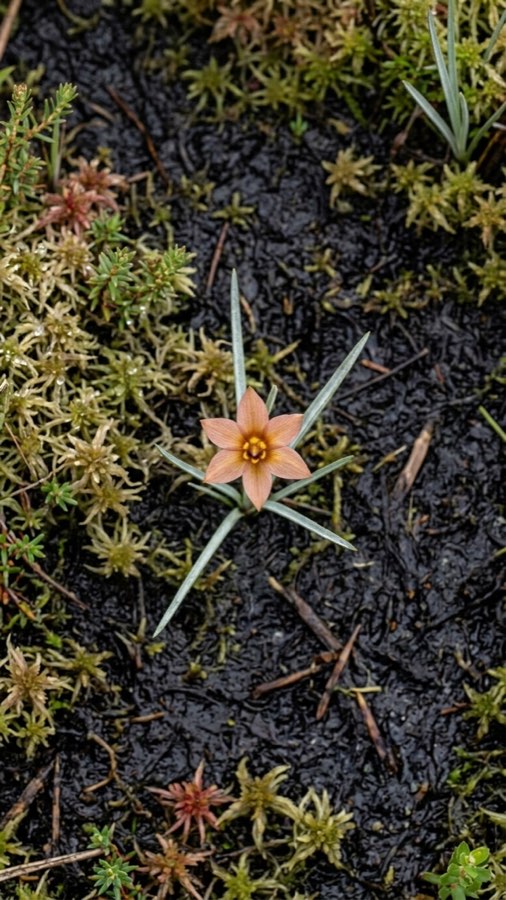 PLATE IV
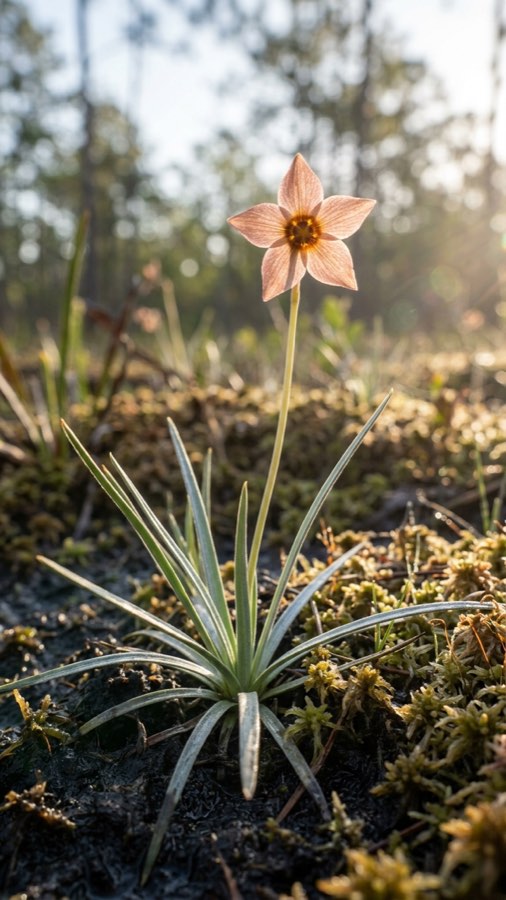 PLATE V
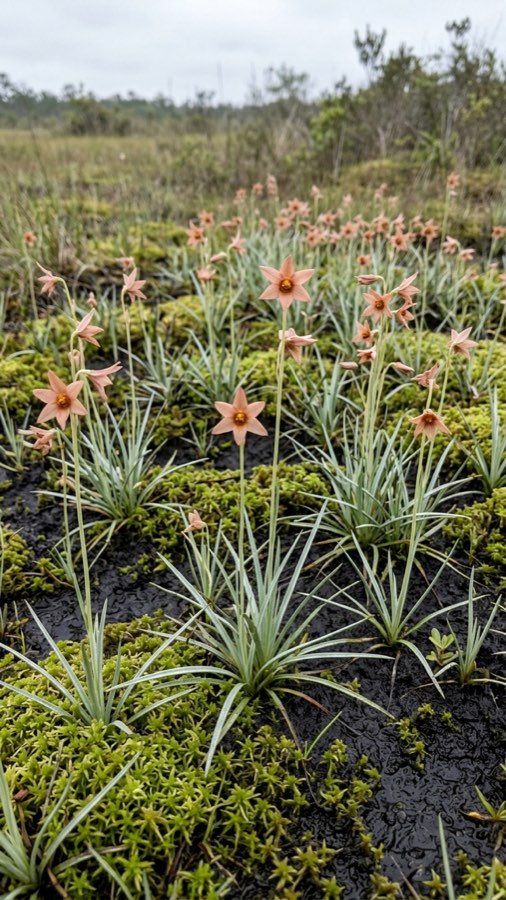 PLATE VI
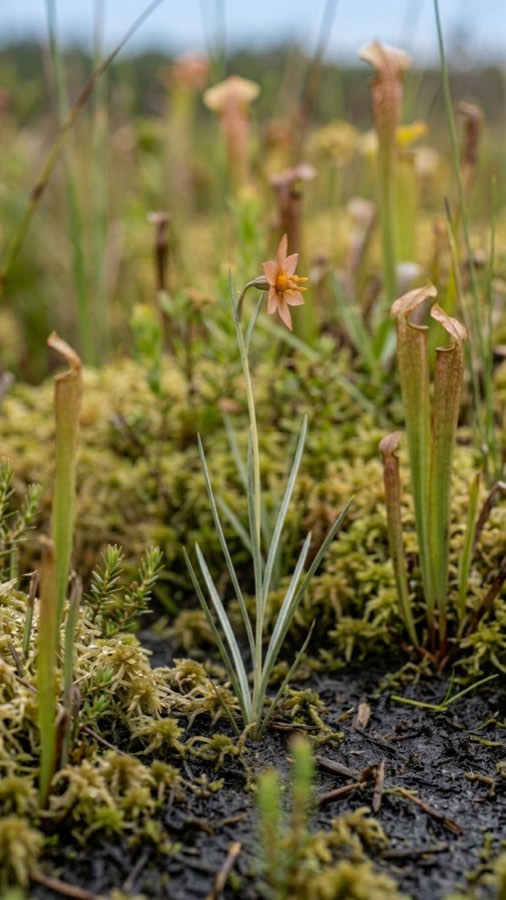 PLATE VIIPLATE VIII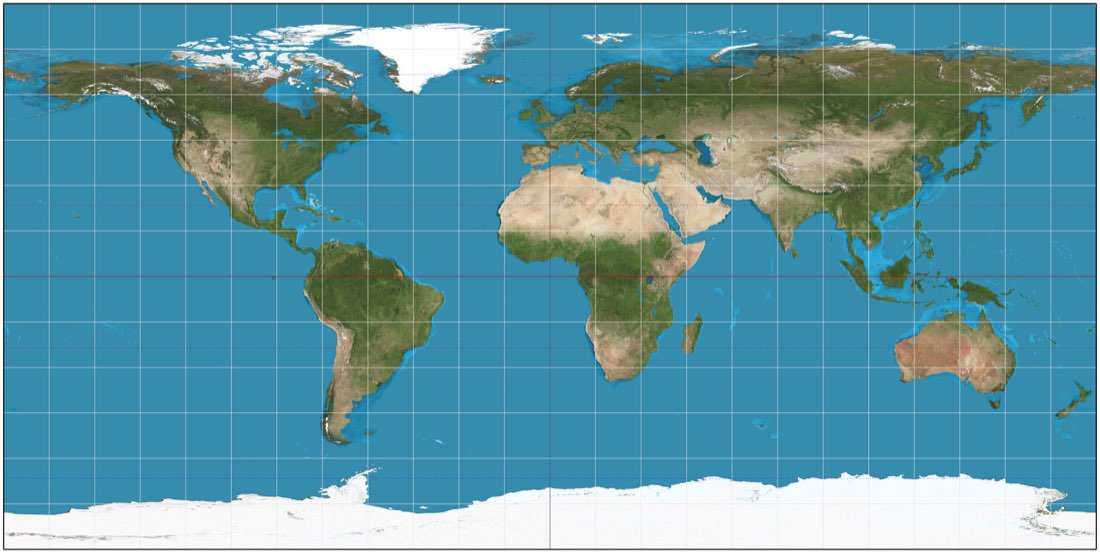
ふだんはleafに金属をため込んでいます。
ところがflowerをOpen直前だけ、それを根へ送り返します。
米国アラバマ州、沿岸平野の酸性Wetland。
器返し草は、ピッチャープラントの育つ黒い泥炭にだけ根を下ろします。
細いash緑のleafには、銀色の金属light沢があります。
吸い上げたアルミニウムをleafにため、leafを守って暮らしています。
Outside bloom, Metallophila reciproca lies low on the peat with gray-green blades, disappearing among sedges and young wiregrass. It flowers only for a few damp, overcast days in the second spring after a burn. A leaf taken earlier reads as an aluminum-rich bog herb; one taken before anthesis seems chemically unlike it. This may explain the silence of old herbarium sheets.
On flowering mornings, small bees and marsh flies make brief visits to the amber center. Nectar is scant; they come chiefly for pollen and leave quickly, while the stigma begins to dry by afternoon. The seeds are light but do not travel far. Germination appears confined to winter openings in sphagnum made by fire, where black peat holds a thin wash of ash.
In old haying grounds of the coastal plain it was remembered as returning cup grass, or empty-cup grass. People walking turpentine tracks and burned savannas noticed that the silver cast of the leaves dulled before bloom. The saying that it flowers after emptying its cup sounds figurative, yet it matches with odd precision the brief withdrawal of metal from leaf to root.