Specimen · N°044 · Desert
Gypsophyma reficiens根組みなおし
動かないのに、地下ではまるで別の形をしています。
FOUND 33.5°N 53.0°E · イラン中部高原のstone膏質バッドランド · ✝ EX · Last seen 2009
動かないのに、地下ではまるで別の形をしています。
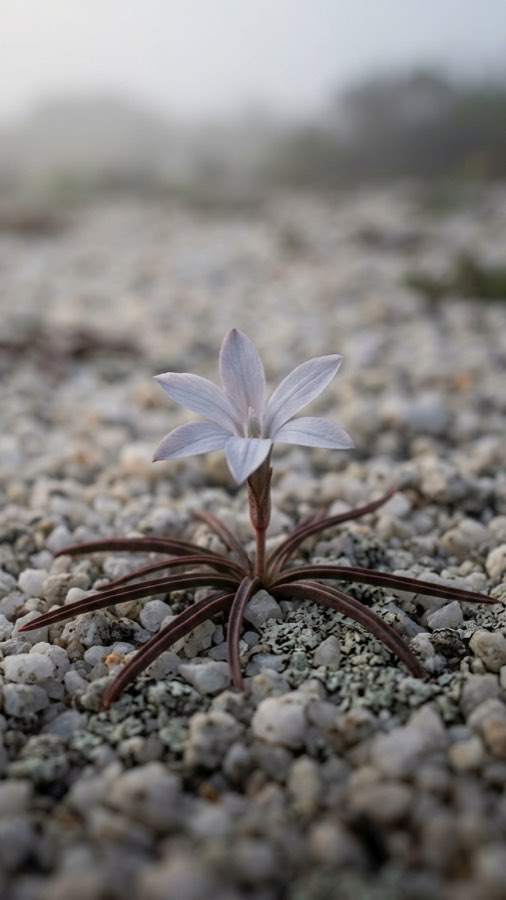
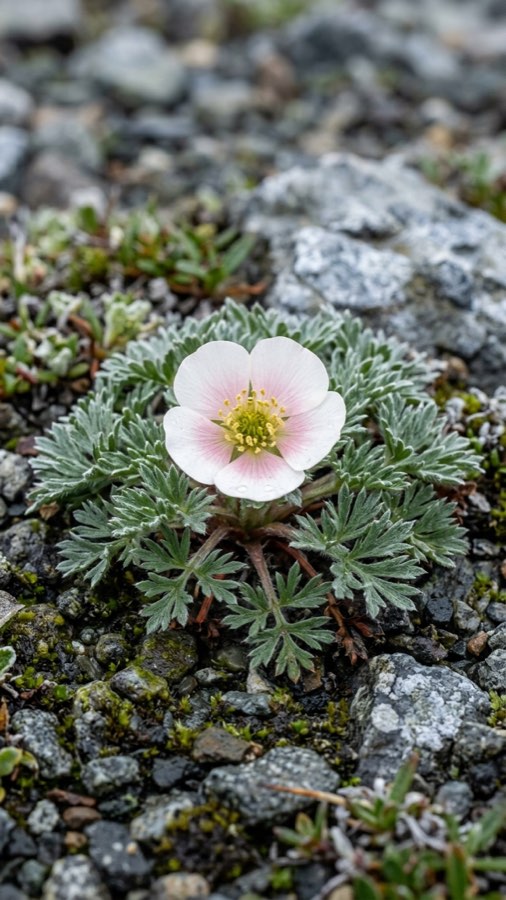
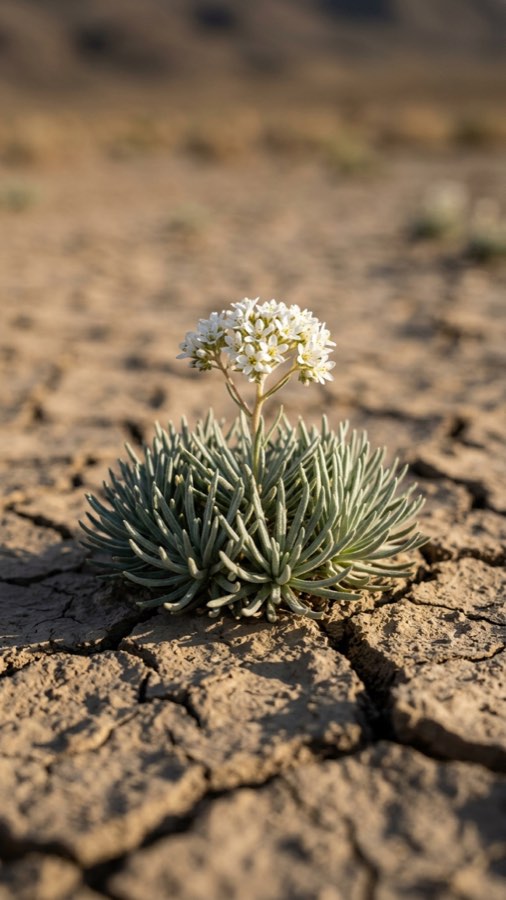
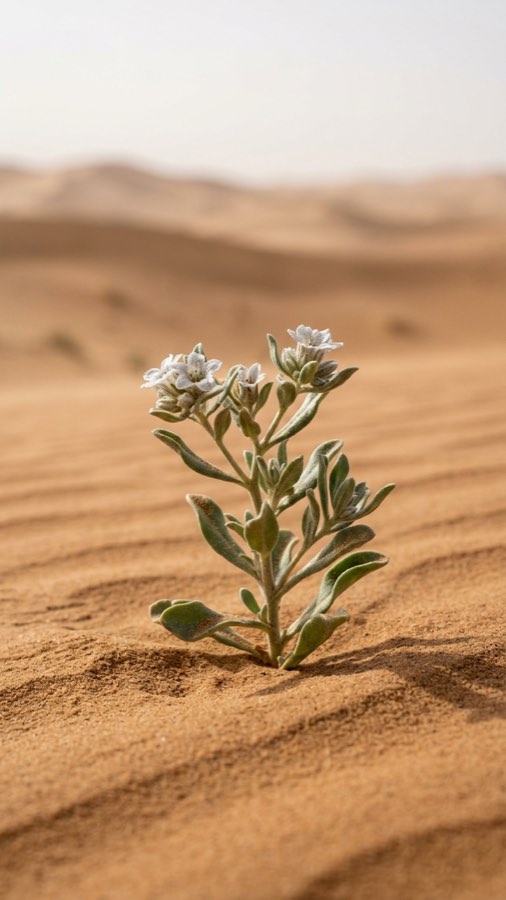
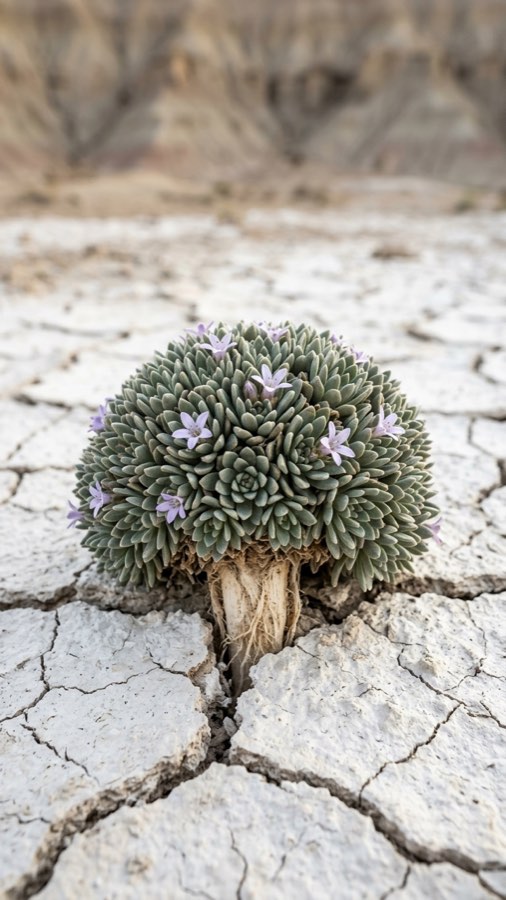
根組みなおしは、高さ10cmほどの低いクッション状のplant。ash緑色の多肉質な鱗状のleafを半球形に密に重ね、短いflower茎の先に淡い藤色の星形の小flowerをいくつもつける。白いstone膏の地面に根を下ろすが、その根は地中のstone膏がRainWaterでゆっくり溶けて空洞ができるたび、空洞が崩れる前に太い淡色の根を伸ばし直して骨組みを作りなおす。地表に見える株の位置は何年も変わらないのに、地下の根の形はRainのたびに別物になっている。Rain上がりには、溶けて後退したstone膏のmarginから、白い太い根冠の一部が露わになっていることがある。
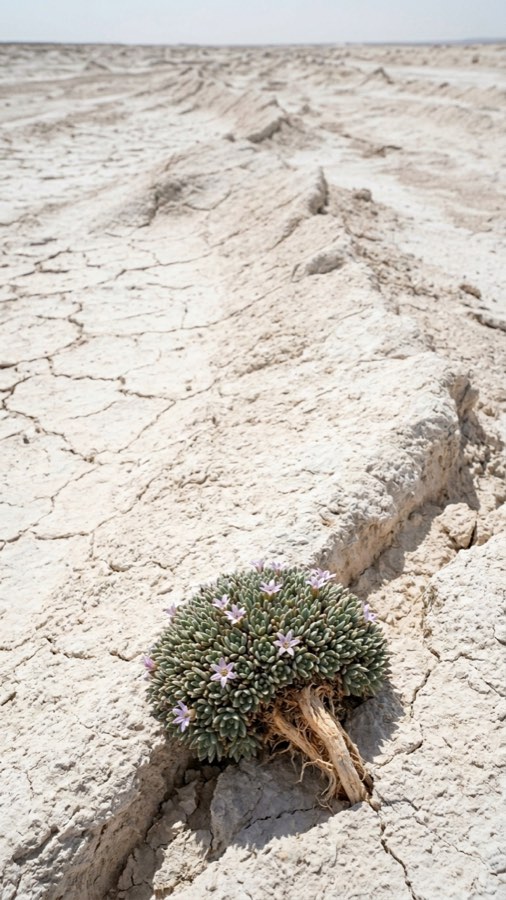 PLATE I
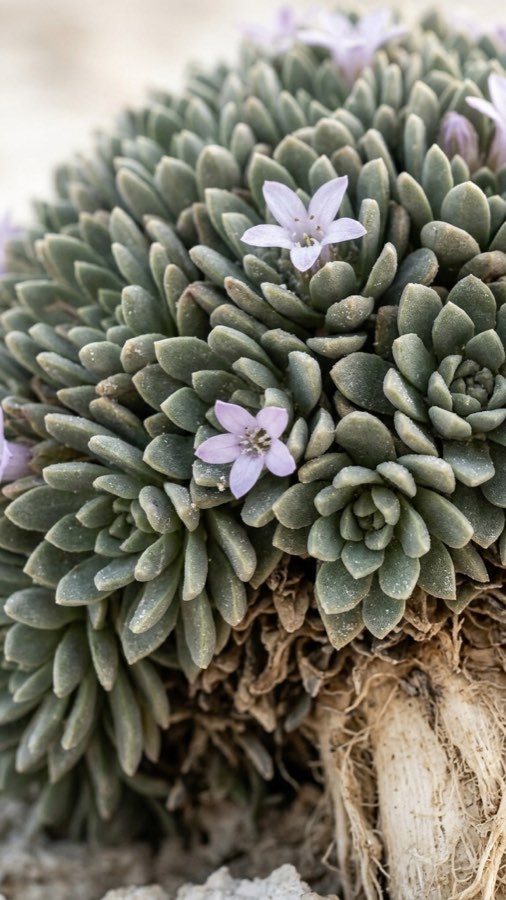 PLATE II
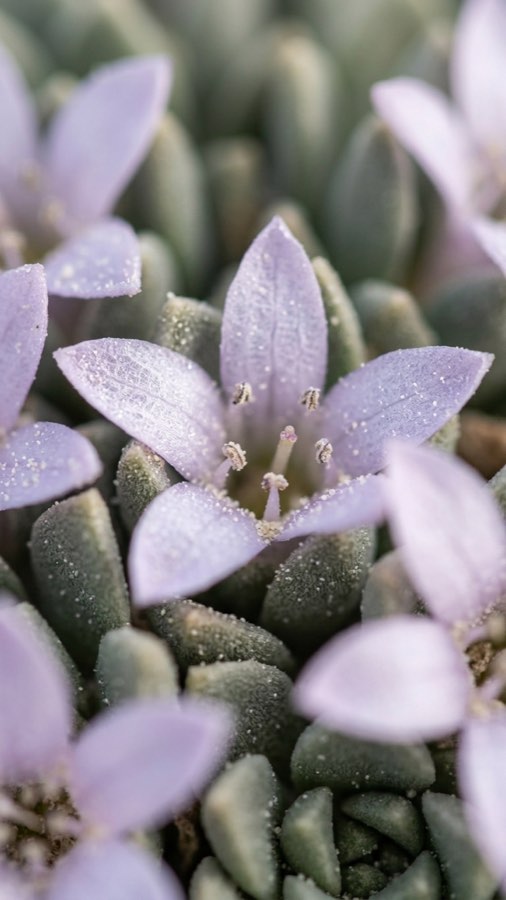 PLATE III
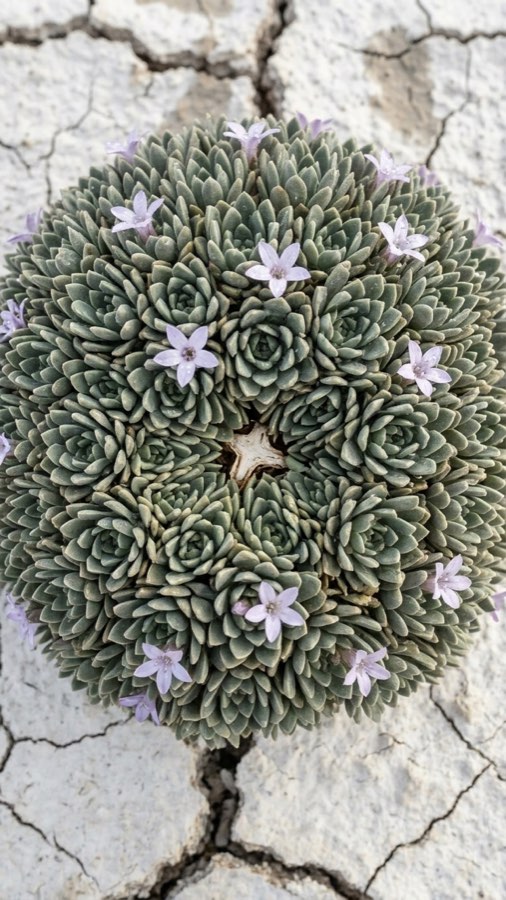 PLATE IV
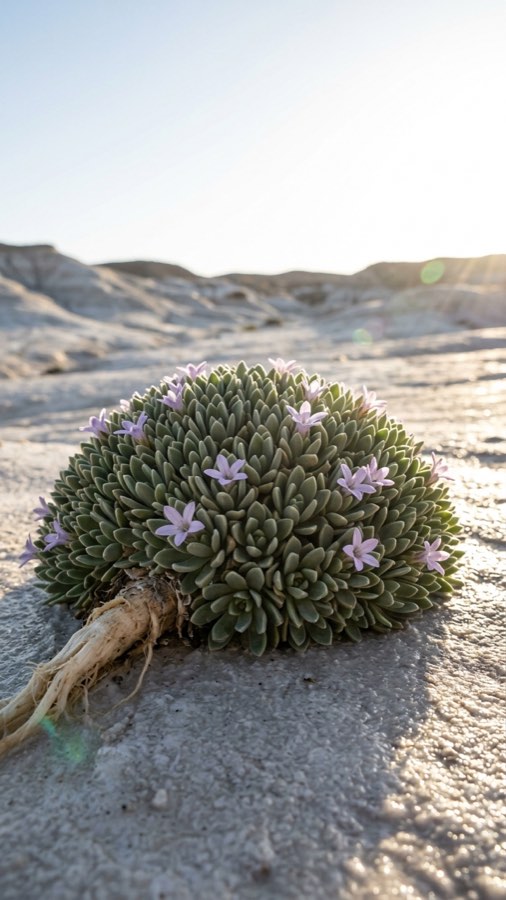 PLATE V
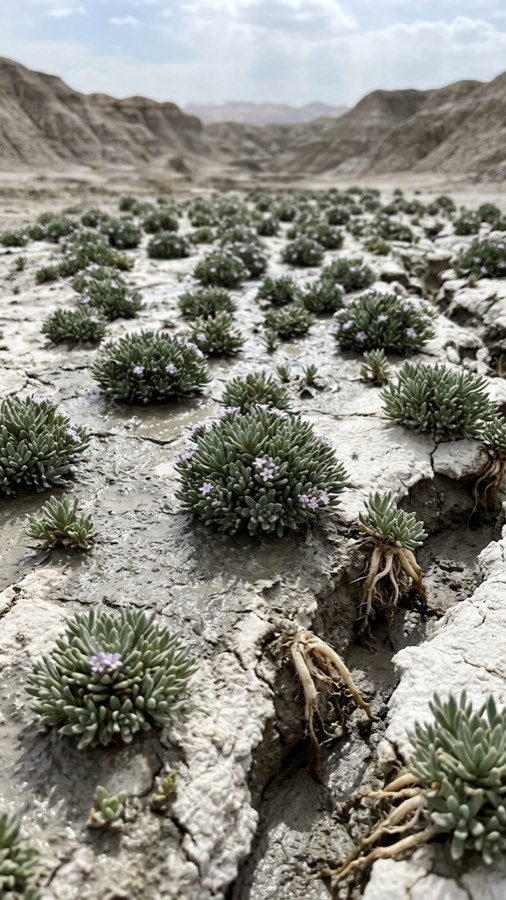 PLATE VI
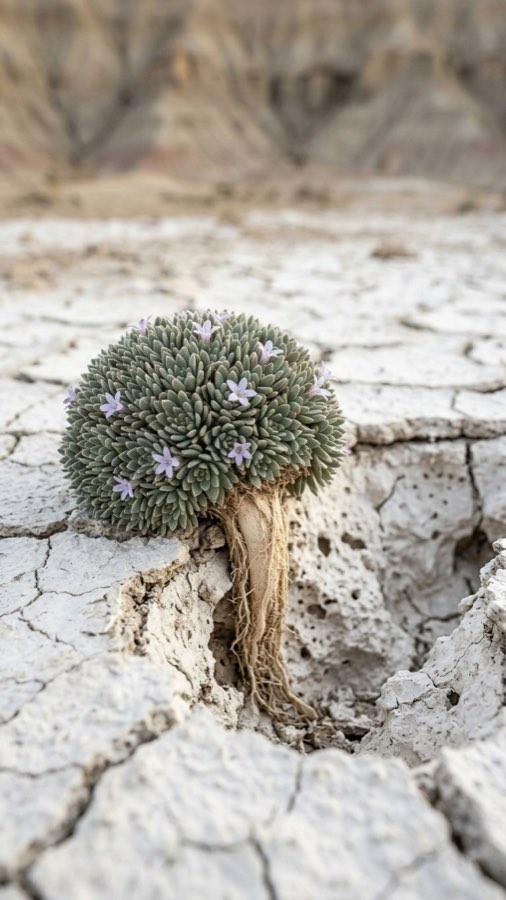 PLATE VIIPLATE VIII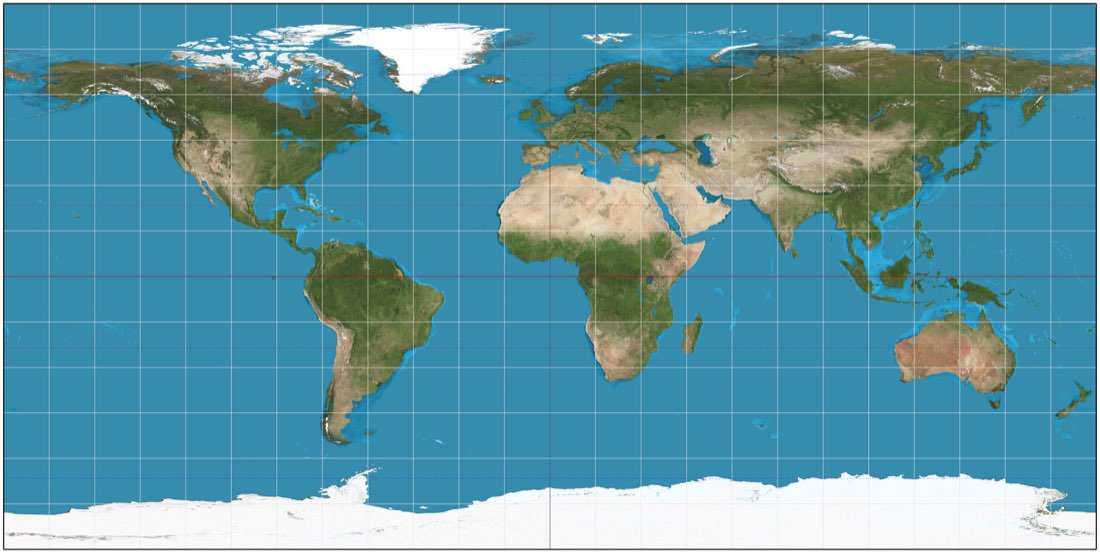
動かないのに、地下ではまるで別の形をしています。
地表の株は、何年も同じ場所から動きません。
イラン中部高原、白いstone膏の丘。
RainWaterが地中のstone膏をゆっくり溶かし、空洞をつくります。
根組みなおしは、空洞が崩れる前に太い根を伸ばし直します。
そうして地下の骨組みを、Rainのたびに作りなおすのです。
Within three days of the first rain, the pale violet flowers begin opening on the leeward side of the gypsum hills. Small solitary bees sometimes visit in daylight, but the pollen dries into a fine dust and appears able to reach stigmas on the low wind between cushions. When the capsules split, they do not cast seed far. The gypsum-coated, heavy seeds drop into narrow cracks beside the parent plant, which may explain why colonies follow the white ridges in broken lines.
The peculiarity of this plant is almost entirely lost if only the visible shoots are collected. Its white root caps appear for only a few days after hard rain, when the gypsum margin has dissolved and retreated. Once dry, they are buried under powder of the same color; if excavated, the fragile gypsum framework collapses with them. In a pressed specimen it remains merely a small gray-green cushion, easily filed among known gypsophile plants.
The sheep tracks avoid the shoulders of the white hills and keep to dark gravel bands leading toward old wells. My guide would not cross the gypsum slopes after rain, saying that if the exposed roots were stepped on, the hillside would split the following winter. This seems less a taboo than a rule learned from unstable margins. Because the cushions remain in the same positions for years, herders may have used them as small markers of a hill’s firmness.